
Last updated November 25, 2026
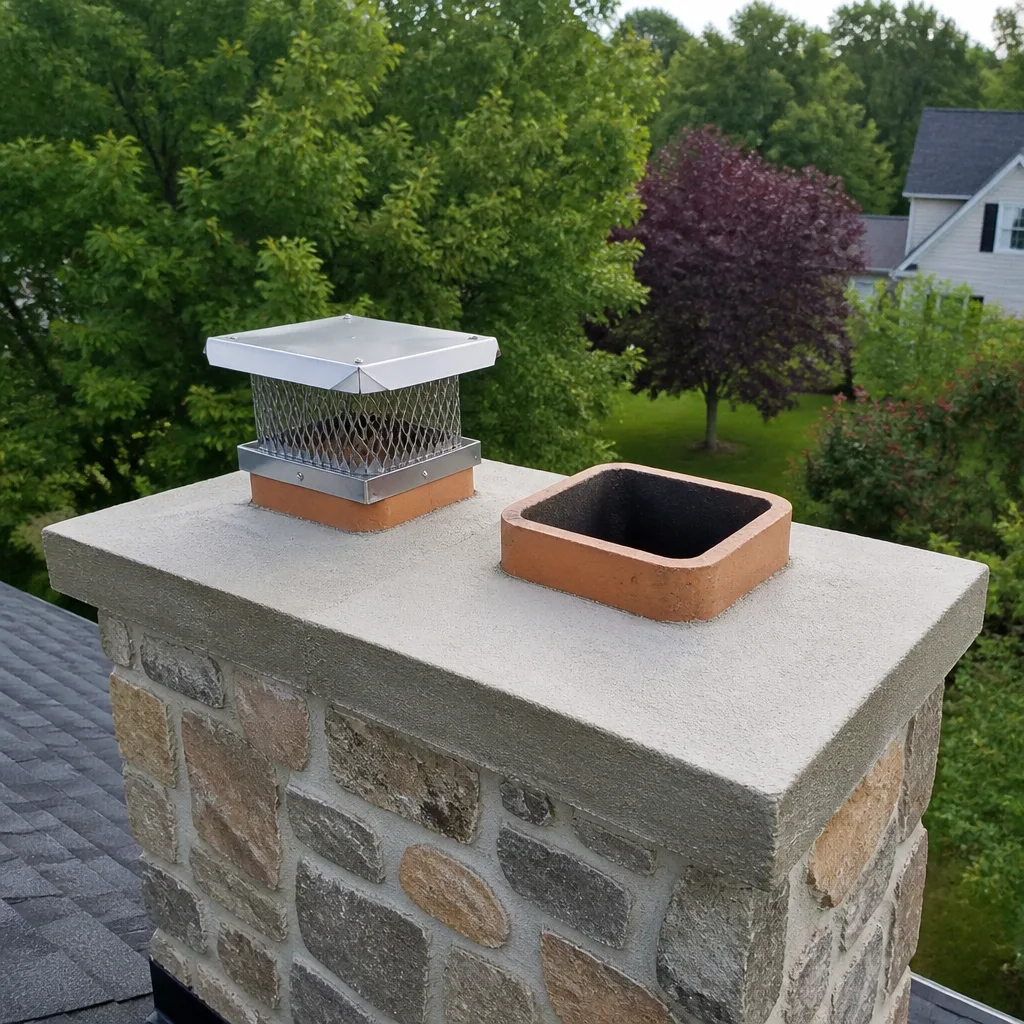 Sweep & inspection
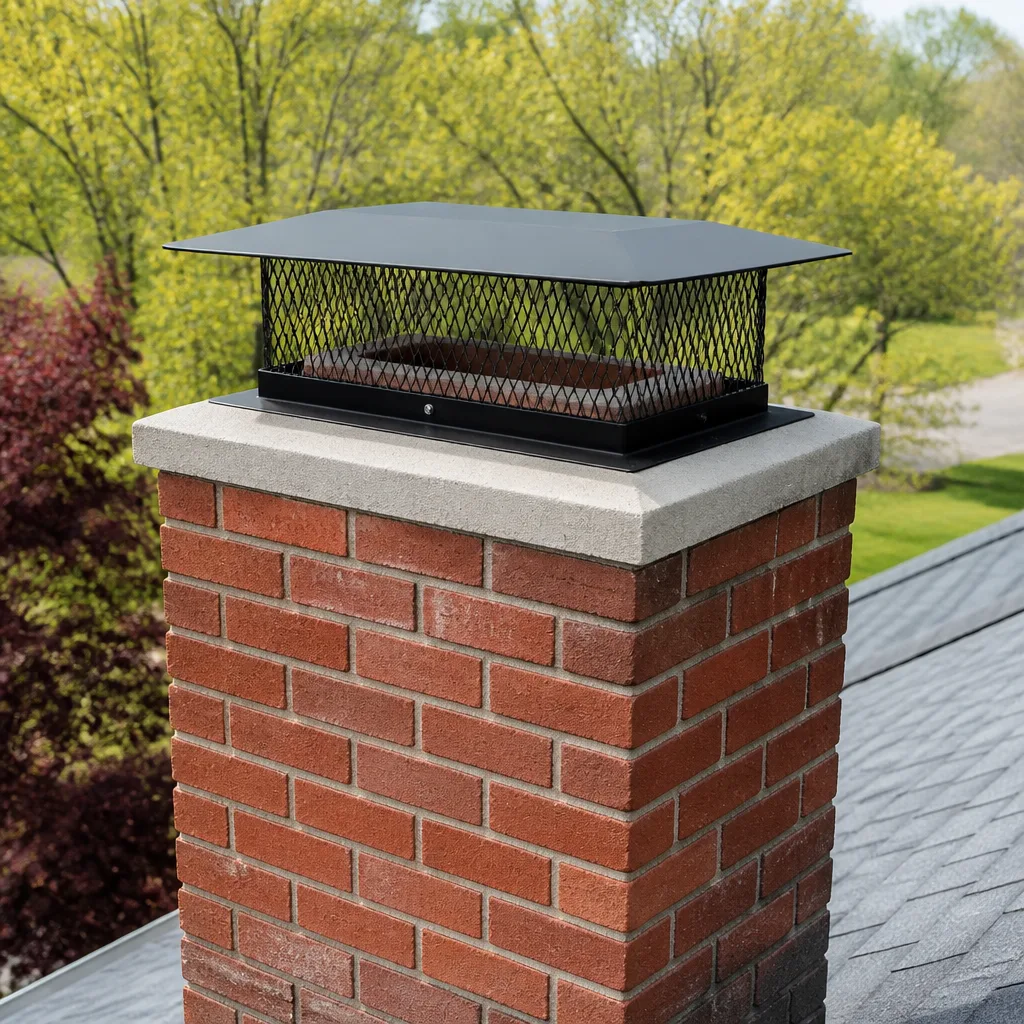 Caps & crowns
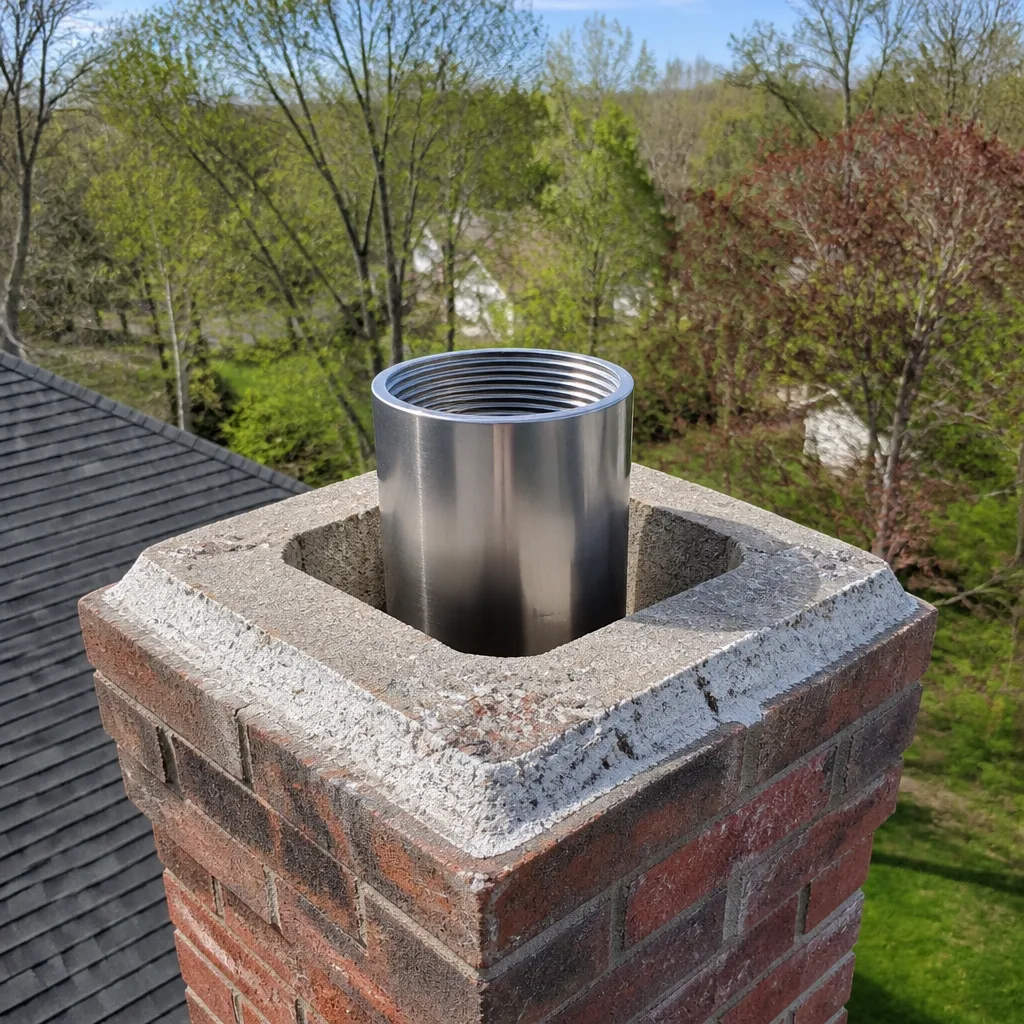 Flue relining
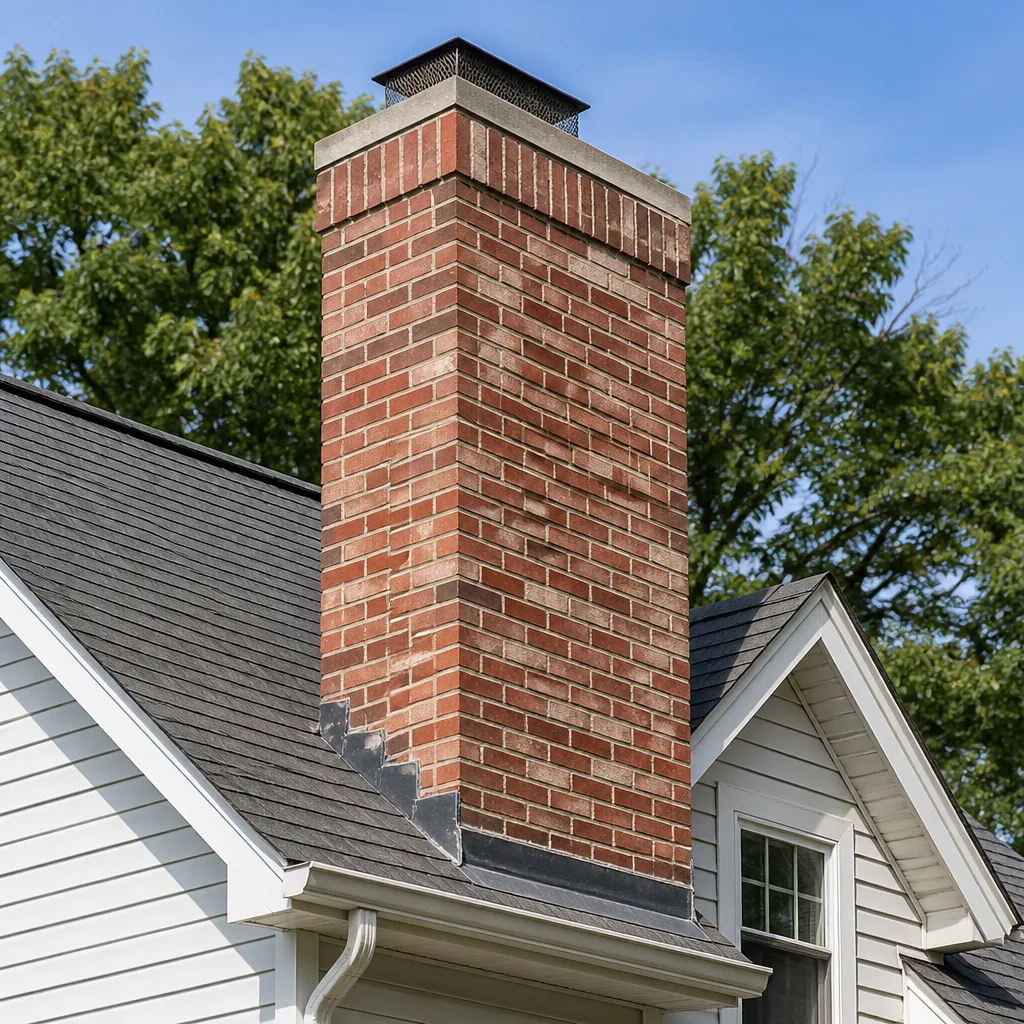 Masonry repair
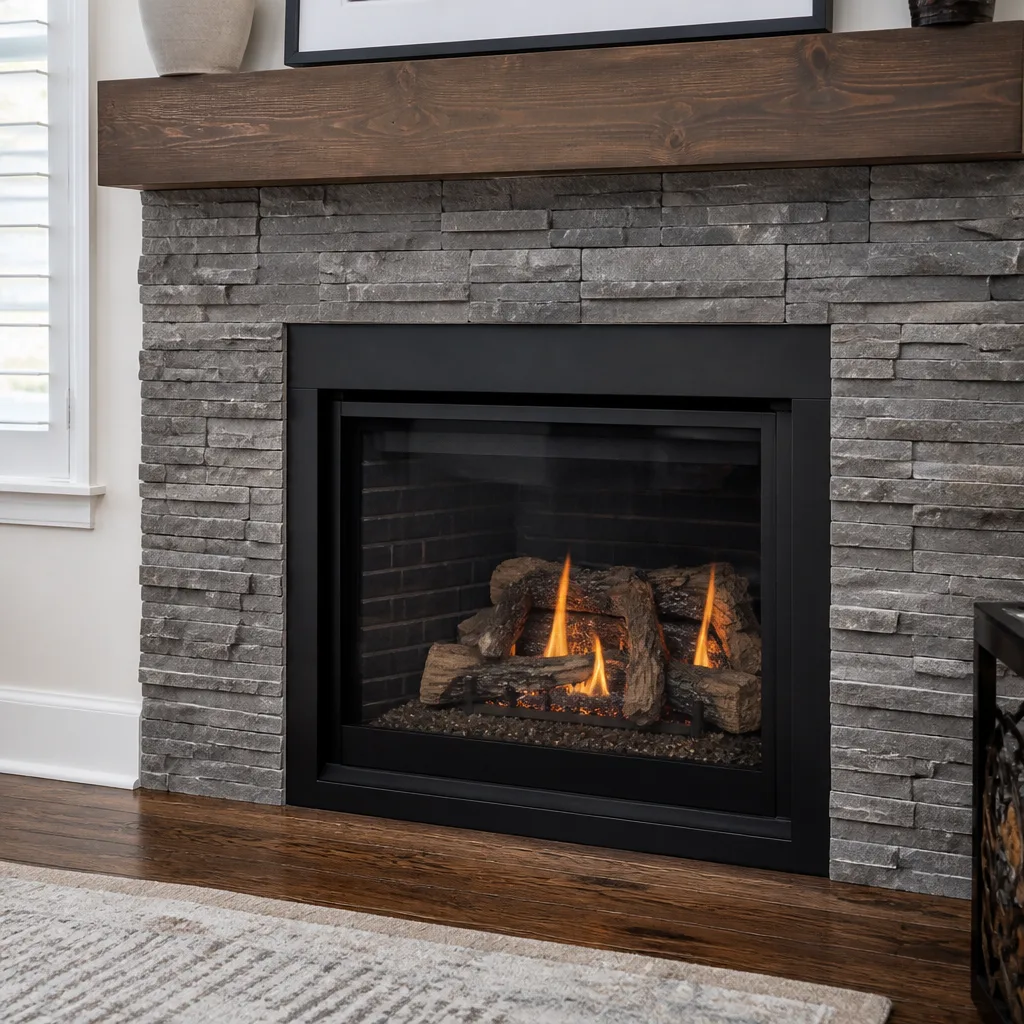 Gas fireplace service
Level 1 sweep and inspection to the NFPA 211 annual standard - flue, crown, cap, and flashing checked and photographed
Chimney sweep logs do not sweep chimneys. They loosen some creosote - which then falls where a brush and vacuum still have to collect it.
Seasonal Chimney Cleaning Care for Laguna Niguel: Year-Round Homeowner’s Guide
The Santa Ana winds that make October fires so tempting in Laguna Niguel are the same winds that drive ember debris and negative-pressure backdrafts into your flue. That’s why the condition of your chimney on the first cool evening of the season matters far more than most homeowners realize. Most people treat a sweep as a once-a-year errand squeezed into a random month, then forget it. Here we map chimney care to what’s actually happening in the South Orange County environment each season, so you can time a sweep, an inspection, and repairs to the conditions that cause real wear. Laguna Niguel Chimney Sweep Pros
Quick Answer
In Laguna Niguel, chimney care works best as a seasonal cycle, not an annual event: inspect and sweep in late summer or early fall before the Santa Ana season and first burn, watch for moisture damage after spring rain while the fireplace is dormant, and check exterior components for UV and heat wear through summer. Because winters here are mild and burns are intermittent rather than constant, creosote builds in unpredictable ways that a fixed “every November” habit often misses.
Styles & brands we work with
- Sweep & inspection
- Caps & crowns
- Flue relining
- Masonry repair
- Gas fireplace service
Table of Contents
- Why Chimney Care Is Different in Laguna Niguel’s Climate
- Fall: Pre-Season Prep Before the Santa Ana Winds and First Burn
- Winter: How Intermittent Cold-Snap Burning Shapes Creosote
- Spring: The Moisture Window After the Fireplace Goes Quiet
- Summer: UV, Heat, and Exterior Masonry in South Orange County Sun
- How to Time Your Annual Sweep Correctly
- Your Chimney System, Not Just Your Flue
- Inspection vs. Sweep: What’s Actually the Difference
Why Chimney Care Is Different in Laguna Niguel’s Climate
Most chimney advice online is written for places with long, hard winters and months of continuous burning. Laguna Niguel doesn’t work that way. Fires here run on cool evenings and cold snaps, not through a solid season, and the surrounding environment does more damage to a chimney between fires than the fires do themselves. Three local factors drive that: autumn wind events, spring moisture that arrives after the fireplace has gone dormant, and year-round sun exposure on exterior components.
That combination produces a pattern we see often in Laguna Niguel. A chimney that looks clean inside may have a crown that’s cracking from sun, or a chase cover whose caulk has dried out and pulled loose. Meanwhile the flue may carry creosote from a handful of intense burns that the family assumed was “light use.” A sweep that only cleans the flue misses all of it. Our approach is to look at the whole system – firebox, flue, liner, cap, crown, and chase – because in a mild climate the exterior wear outpaces what most people expect.
The practical takeaway: your chimney belongs to a yearly cycle, and the calendar is set by local weather, not by a tradition like “sweep in November.” The sections below walk through each season.
Fall: Pre-Season Prep Before the Santa Ana Winds and First Burn
Fall is when Laguna Niguel’s seasonal risk peaks, and it’s not because of cold. The Santa Ana winds that sweep through the region in autumn do two things to a chimney: they blow ember debris, leaves, and fine grit into caps and flues, and they create strong negative pressure that can pull smoke and combustion gases back down a flue instead of up and out. A chimney that was fine in August can backdraft the first night you light a fire if debris is blocking the flue or the cap is obstructed.
This is why late summer and early fall is our recommended inspection window. Before the first burn, we want to know three things:
- Is the flue clear? Debris introduced by summer wind and heat needs to be removed before it becomes fuel or an obstruction.
- Is the cap intact and correctly fitted? A missing or damaged cap is the single most common entry point for wind-blown material and water.
- Is the crown sealed and sound? A cracked crown lets water into the chimney structure all winter.
Laguna Niguel homes often sit on sloped lots where wind exposure varies block to block, so the debris load isn’t uniform. If you’ve had a chimney sweep done in a previous year around this time, the pre-fall inspection should still catch what a sweep alone won’t: structural and exterior condition.
We’ll tell you what it needs, not what costs the most. If a full sweep is all that’s called for, that’s what we do. If the inspection turns up a crack in the crown or a loosened cap, we’ll show you with photos and explain what it means, so you can decide.
Winter: How Intermittent Cold-Snap Burning Shapes Creosote
Here’s something most homeowners get backwards: steady, hot, well-ventilated fires produce less of the sticky, hard-to-remove creosote than short, cool, smoldering fires. In Laguna Niguel, winter burning is mostly the second kind. Cold snaps arrive, families light fires for a few evenings, then the weather warms and the fireplace goes quiet. Those short, cooler fires never reach the temperatures that burn creosote off, so deposits accumulate in a form that’s harder to sweep than what a steady-burn household would produce.
What that means in practice:
- Don’t judge creosote by how often you burned. A dozen intense evening fires can leave more problematic deposits than a month of light use, depending on wood and draft.
- Use seasoned wood and give the fire air. Green or damp wood and a choked-down damper both build deposits faster.
- Watch the first light-up each cold snap. Smoke rolling into the room, a lazy draft, or a smell in the house is a sign that something’s off and should be checked before the next fire.
Because burning here is intermittent, the winter creosote load is genuinely unpredictable from household to household. A sweep recommendation in Laguna Niguel has to come from what we actually find in your flue, not from a generic “burned X fires” rule. Our technicians have up to 12 years of experience, and the honest answer often surprises the homeowner – sometimes lighter than expected, sometimes heavier.
If the flue or firebox shows damage from a hard burn, that’s fireplace repair territory, and it should be handled before the next season, not pushed to spring.
Spring: The Moisture Window After the Fireplace Goes Quiet
Spring is when the chimney stops being used and starts being neglected, and that’s exactly when moisture does its work. Late-season rain arriving after months of dormant burning finds every weak point in the exterior: a hairline crack in the masonry, a caulk joint around the chase cover that dried out over summer, a cap that shifted in the wind. Water gets in, sits, and by the time anyone notices it’s already damaged the firebox or the structure behind it.
Moisture problems in Laguna Niguel often show up in a few predictable ways:
- Rust streaks on the firebox or damper, which signal water reaching metal components.
- White or chalky staining on exterior masonry – efflorescence, the residue that appears when water moves through brick and mortar and evaporates.
- A musty smell in the firebox or the room around it, which suggests moisture in the chase or flue.
- Damp masonry at the base of the chimney, especially on the roof-facing side.
Spring is also the right time to look at the chase cover and caulking because warming temperatures and shifting moisture make weak joints visible. If a cap or crown problem turns up, addressing it in spring means the repair has a full dry summer to set before the next wet season.
We use the same materials chimney professionals specify by name. Gelco and Famco components are our standard for chimney cap and crown work because they’re designed for the exact structural job, not field-fabricated. Our full chimney repair service picks up where inspection identifies structural problems.
Summer: UV, Heat, and Exterior Masonry in South Orange County Sun
Summer is when the sun goes to work on the exterior of your chimney. Laguna Niguel gets intense, sustained UV exposure for months, and that wears on the components that protect the masonry: the chase cover coating, the caulking around the cap and crown, and the crown itself. Materials that were sound in April can be dry, brittle, and cracking by August. When that happens, the next winter’s rain finds the failures.
Sun and heat don’t just damage the surfaces – they change how the whole exterior weathers. Mortar joints can dry and crumble over repeated hot summers, and metal caps and chase covers expand and contract with daily temperature swings, which stresses fasteners and seals. The result is that in Laguna Niguel the exterior of the chimney often needs attention more frequently than the flue does.
Summer is also the best window for structural work because the roof is dry and the weather is stable. If a summer inspection finds a worn chase cover or an aging crown, we can replace it now while the conditions are favorable. This isn’t just convenience – the whole point is getting the water-shedding parts back to full strength before the wet season arrives.
For chimney cap and crown installs we use manufacturer-sourced Gelco and Famco components. That matters because a cap or crown is the leading front line against water intrusion, and the job needs to last through many summers, not just one.
How to Time Your Annual Sweep Correctly
The problem with “sweep in November” is that November may be too late for the first Santa Ana risk and too early to catch the spring moisture issues. Timing the sweep correctly comes down to a simple sequence, which you can run through each year:
- Late summer – inspection. Before the first burn, get the flue, cap, crown, and chase looked at. This catches the debris and structural issues that build up over summer and mitigates fall wind risk.
- Early fall – sweep. If the inspection shows creosote or debris, sweep now, before the fireplace is pressed into service. This is the safest window in Laguna Niguel’s cycle.
- Winter – watch and check. Pay attention to draft quality and any smoke or smell anomalies during cold-snap burns.
- Spring – exterior check. Look for moisture signs after the last rain and address cap, crown, or caulking problems before the dry season.
- After any significant burn season – re-check. If a season produced heavy deposits or any anomaly, don’t assume next year’s routine will cover it.
This sequence matters more in Laguna Niguel than in colder regions because the local weather compresses the usable windows. A sweep timed to the wrong month wastes the advantage of dry conditions and misses the wind and moisture risks. In practice, we schedule the annual chimney sweep around each home’s actual burn pattern, not a fixed date. If you’re not sure where your chimney sits in the cycle, that’s what an inspection is for.
Your Chimney System, Not Just Your Flue
A chimney is a system, and each component does a specific job. A flue that passes inspection can still be part of a system that’s failing if the crown is cracked or the cap is loose. In a mild climate like Laguna Niguel’s, the outer components usually fail first, because they take the sun, wind, and rain while the flue only takes your fires.
Here’s how the pieces divide:
- Firebox and damper: Burn zone that takes the most heat and moisture stress.
- Flue and liner: The path for smoke and gases; the liner protects the structure and gives the correct draft.
- Cap: Keeps out rain, debris, and animals, and shapes wind behavior at the top.
- Crown: Sheds water off the top of the chimney structure.
- Chase and exterior masonry: The envelope that keeps everything else dry.
When a flue interior is deteriorating, we have more options than most homeowners realize. HeatShield resurfacing lets a technician restore the flue interior without a full liner replacement – a cost-saving alternative when the structure itself is still sound. For chimneys with offsets or bends, DuraFlex flexible liner systems can navigate a path that rigid liners can’t. We install and work with HeatShield, DuraFlex, Olympia Chimney, Gelco, and Famco systems, which means the answer comes from what your chimney actually needs, not what one manufacturer makes.
From the firebox to the cap, one company handles the sweep, inspection, repair, and installation. There’s no handoff to a subcontractor for structural work, and no referral out when the diagnosis changes mid-project. If you’ve had a generalist handyman touch your chimney before, that single-company continuity is usually what was missing.
Inspection vs. Sweep: What’s Actually the Difference
An inspection is a diagnostic service. A sweep is a cleaning service. They’re related, but they answer different questions. In our practice, an inspection is a standalone service, not a pretext to sell you a sweep. If the chimney doesn’t need sweeping, you’ll hear that.
An inspection covers:
- Flue condition inside the liner and at joints.
- Cap, crown, and chase integrity.
- Firebox and damper condition.
- Signs of water intrusion, cracks, or shifting.
- Draft-related concerns from wind exposure.
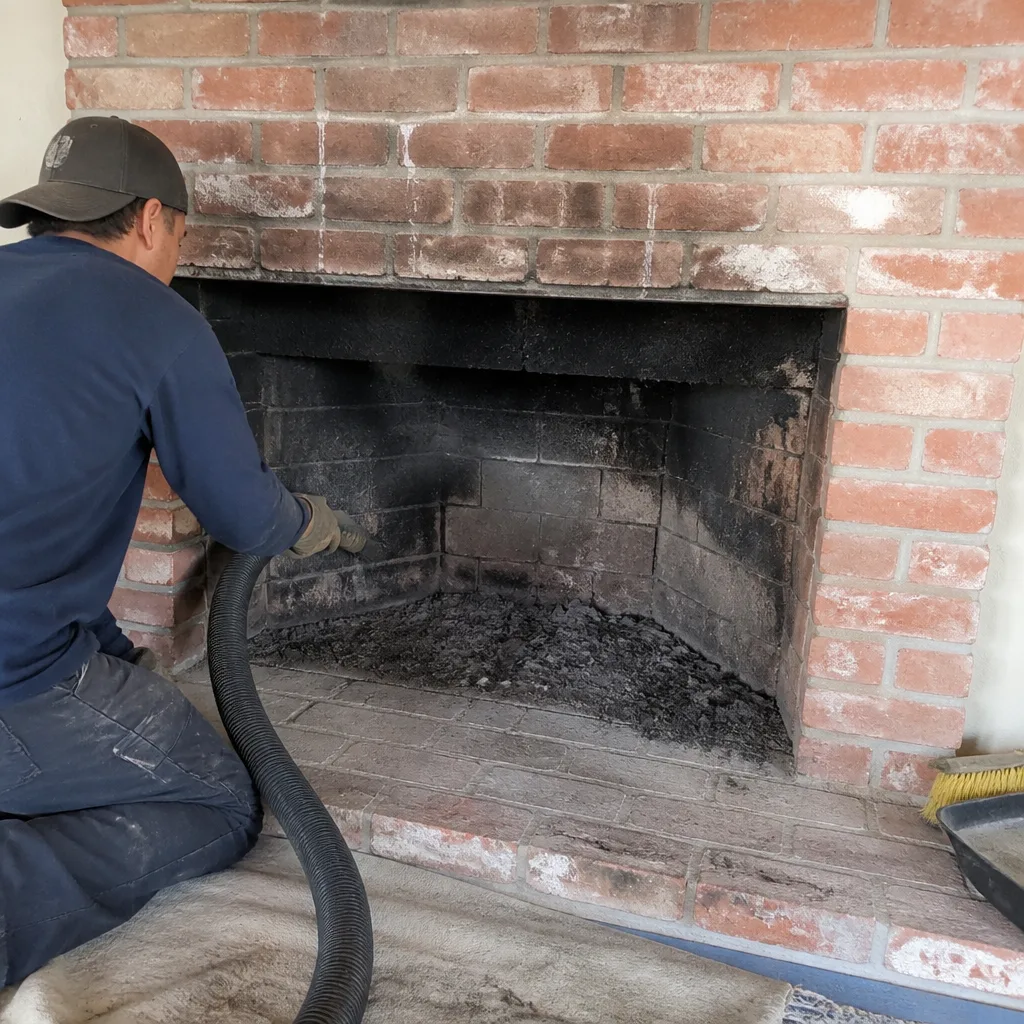
A sweep removes creosote, soot, and debris from the flue and firebox. The findings are documented, and you get photos so you can see whatever we saw. There’s nothing recommended without camera evidence you can look at yourself, and we say plainly when something can safely wait. Chimney work is often billed as though the discovery justifies the cost; that’s the reputation we work against.
The inspection’s real value in Laguna Niguel is early detection of the exterior failures that would otherwise be hidden until water damage shows up inside. That’s also why we treat Laguna Niguel Chimney Sweep Pros service as whole-system work rather than just a flue cleaning.
Common Mistakes to Avoid
- Treating the sweep as a fall-only event. Fall inspection and sweep matter, but skipping spring and summer exterior checks lets the sun and spring rain do their damage unwatched.
- Waiting for the first cold snap to think about the chimney. By the time you light that first fire, the Santa Ana season may already be underway. In Laguna Niguel, late summer is the safer decision point.
- Burning green or damp wood. Wet wood and low firebox temperatures are the main causes of the sticky, harder-to-remove creosote form. Seasoned wood and good airflow reduce it.
- Assuming light use means no maintenance. Intermittent cold-snap burning in Laguna Niguel produces creosote in a way that a “we barely used it” household still needs to have checked.
- Letting a handyman do structural work. Cap, crown, and chase repairs done with field-fabricated parts tend to fail again. Manufacturer-sourced components are the standard for a reason.
- Ignoring cap and crown damage because the flue looks fine. Water intrusion starts on the outside. A cracked crown or loose cap will do structural damage long before the flue shows a problem.
- Putting off a liner decision when relining is actually required. HeatShield resurfacing is often a lower-cost option, but only when the situation fits. The wrong call in either direction costs more later.
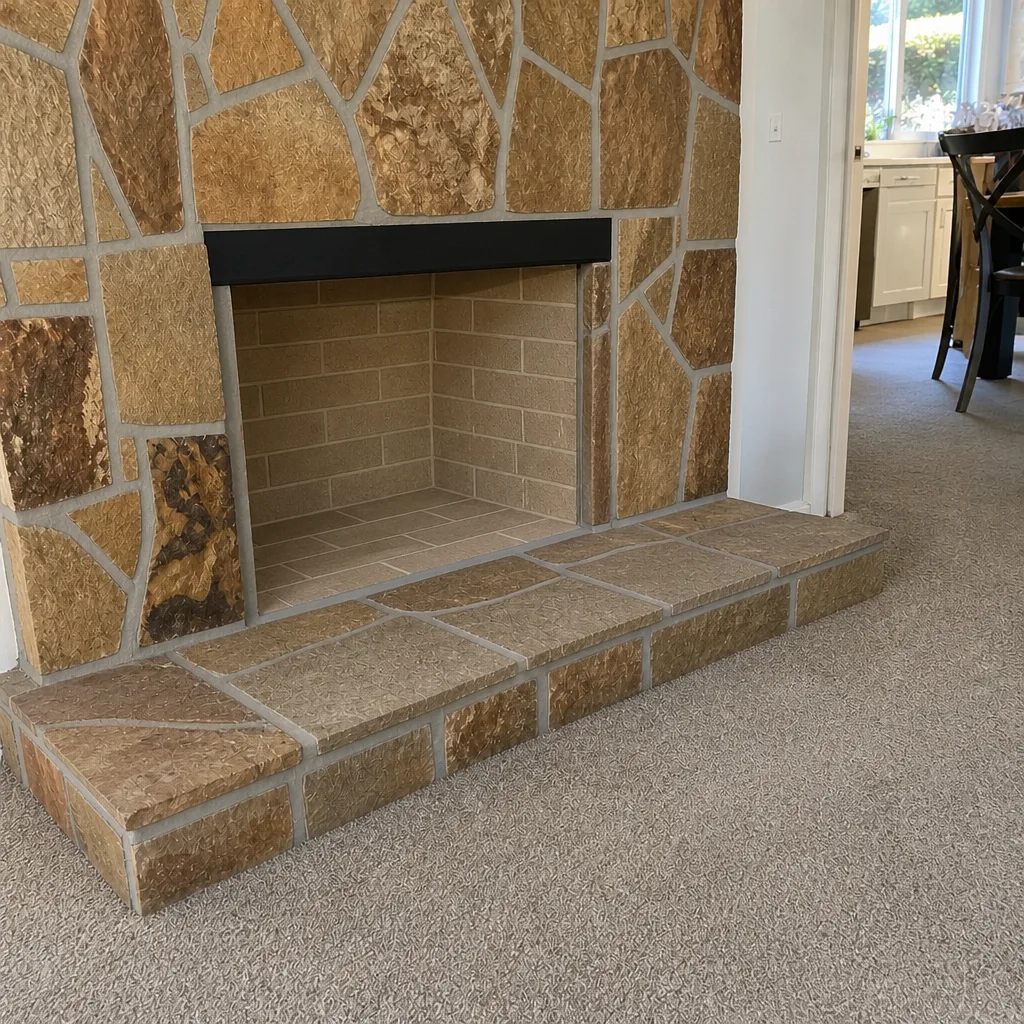
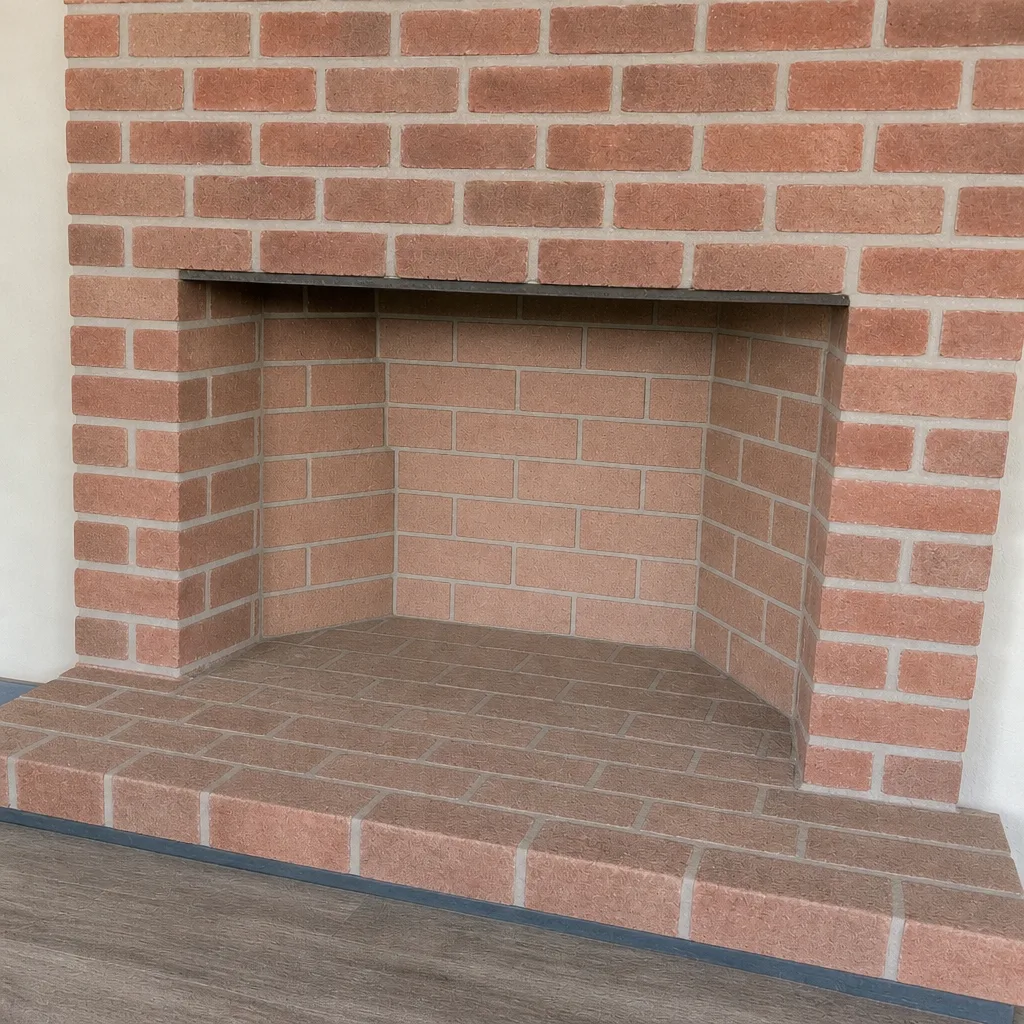
See the difference
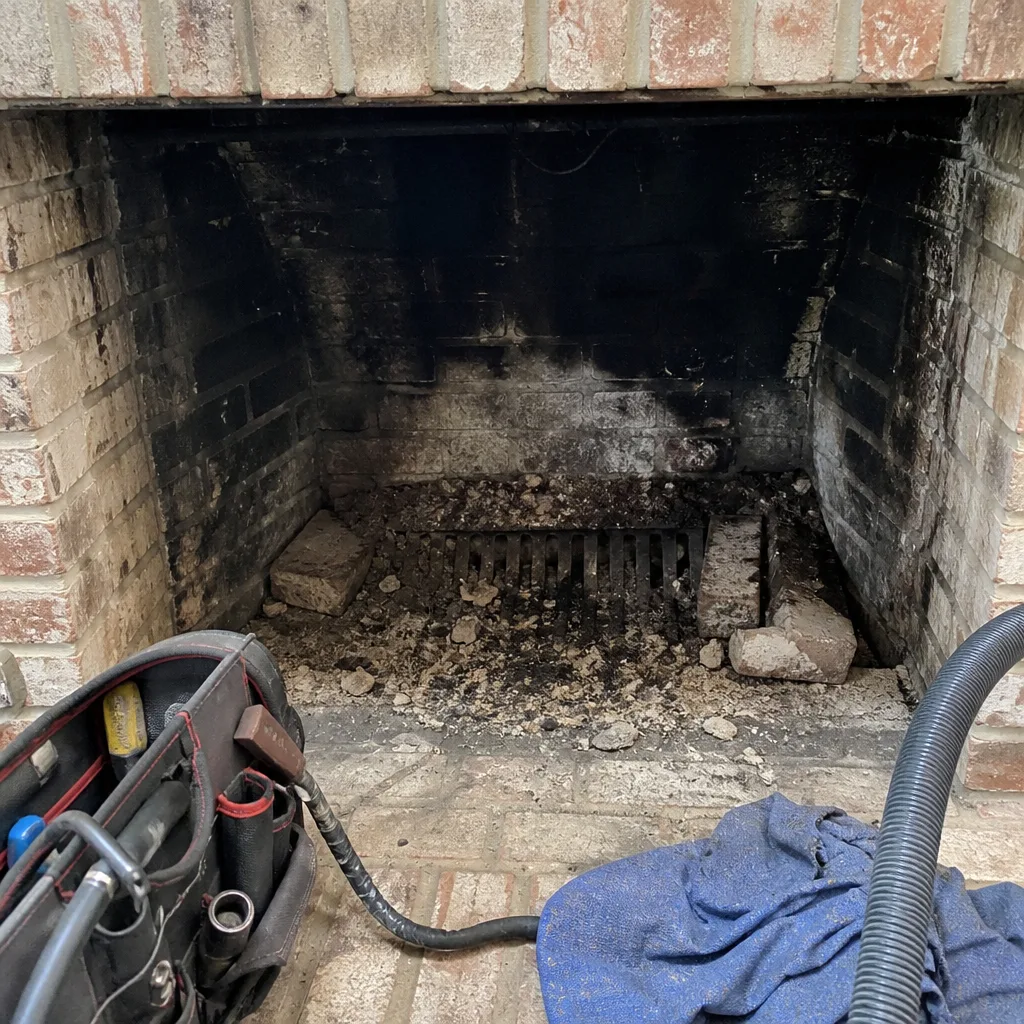 Before
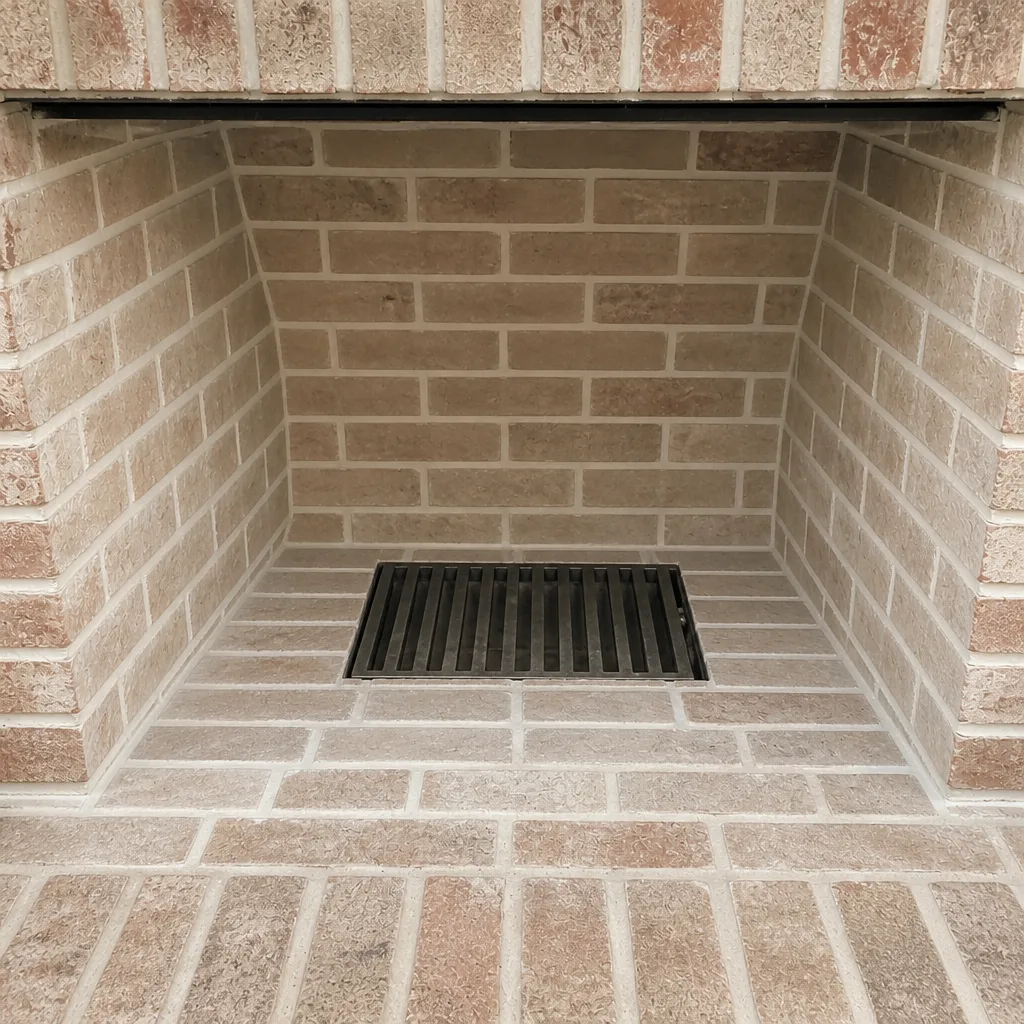 After
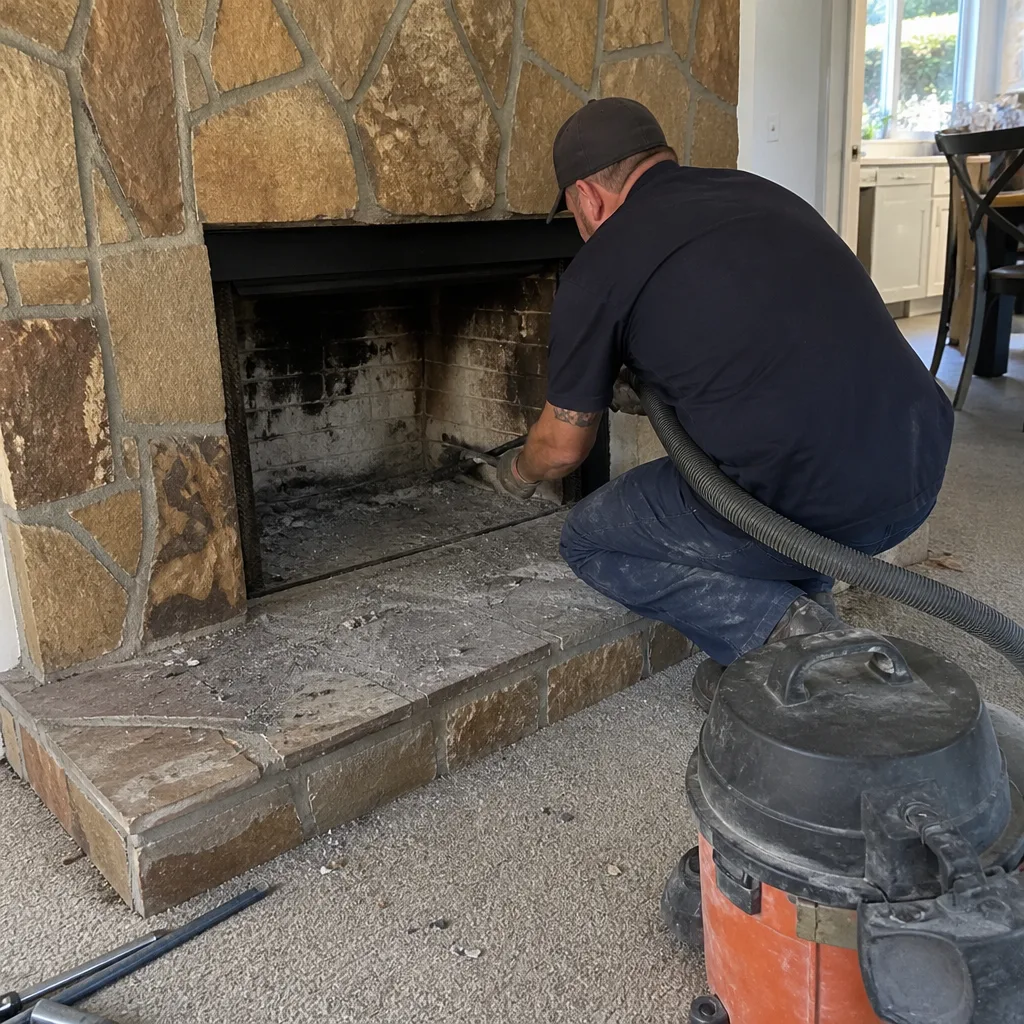 Before
 After
 Before
 After
When to Call a Professional
Some chimney conditions can safely wait until the next inspection window. Others shouldn’t. Call a professional if smoke rolls into the room when you light a fire, if you smell smoke or a musty odor in the house when the fireplace is unlit, if you see rust on the firebox or damper, if masonry staining or visible cracking appears on the exterior, or if it’s simply been more than a season since the last inspection. A trained technician should also look at any chimney that has just been through a strong wind event or heavy rain, since those are the conditions most likely to shift a cap or open a crack. Laguna Niguel Chimney Sweep Pros offers free estimates in Laguna Niguel – call (855) 594-8044. We answer 24/7. Fast dispatch from 7am to 7pm, Sunday through Friday.
Frequently Asked Questions
For most Laguna Niguel households, one cleaning per year is the baseline, timed to late summer or early fall before the first burn. Because burning here is intermittent rather than continuous, the actual creosote load varies widely, so an inspection is the honest way to set the interval for your specific chimney. Call (855) 594-8044 for an exact quote – estimates are free.
The season matters because Laguna Niguel’s risks are seasonal: fall wind and debris, spring moisture, and summer sun on the exterior. A sweep timed to the wrong month either misses the debris that builds up over summer or ignores the moisture damage that starts in spring. An inspection tells you which of those risks is actually present right now.
Yes, light use still warrants an annual inspection, and often a sweep. Short, cool fires – the type cold snaps encourage – tend to leave harder-to-remove creosote than steady hot burns, so “we only lit it a few times” isn’t a reliable measure of flue condition. Call (855) 594-8044 and we’ll tell you what the flue actually looks like.
The most common issue is exterior water damage – cap, crown, or chase cover failures that let moisture into the structure. Sun and wind do most of that wear, which is why the seasonal cycle here emphasizes exterior inspection as much as the flue. Nothing is recommended without camera evidence you can see yourself.
Not every liner problem requires a full liner replacement. When the flue interior is deteriorating but the structure is still sound, HeatShield resurfacing can restore it without the cost of relining. When the chimney has offsets or bends, DuraFlex flexible liner systems can solve the problem a rigid liner can’t, and we install both. Ask us directly, and we’ll explain which one fits your chimney before you commit to anything.
Skipping maintenance lets creosote accumulate and lets small exterior failures become structural ones, and both get more expensive to fix the longer they’re left. In Laguna Niguel the risk is amplified by the sun and wind load on the exterior components. An inspection will tell you whether your chimney can safely wait – and we say plainly when it can. Call (855) 594-8044 for a free estimate.
The Bottom Line
Chimney care in Laguna Niguel isn’t a single November errand. It’s a yearly cycle set by local conditions: inspect and sweep before the Santa Ana season, watch for moisture as the fireplace goes dormant in spring, and check the exterior for sun and heat wear through summer. The things that fail first in a mild climate are the cap, crown, chase, and caulking – not the flue – which is why whole-system inspection matters more here than a flue-only sweep. Sweep, repair, resurfacing, and installation all belong to one company, using materials like HeatShield, DuraFlex, Gelco, Olympia Chimney, and Famco. Let the chimney calendar set the timing, and let an inspection set the plan.
Ready to schedule an inspection or a sweep before the season turns? Call (855) 594-8044 for a free estimate. We answer 24/7. Fast dispatch from 7am to 7pm, Sunday through Friday.
Written by the team at Laguna Niguel Chimney Sweep Pros.