
Last updated November 25, 2026
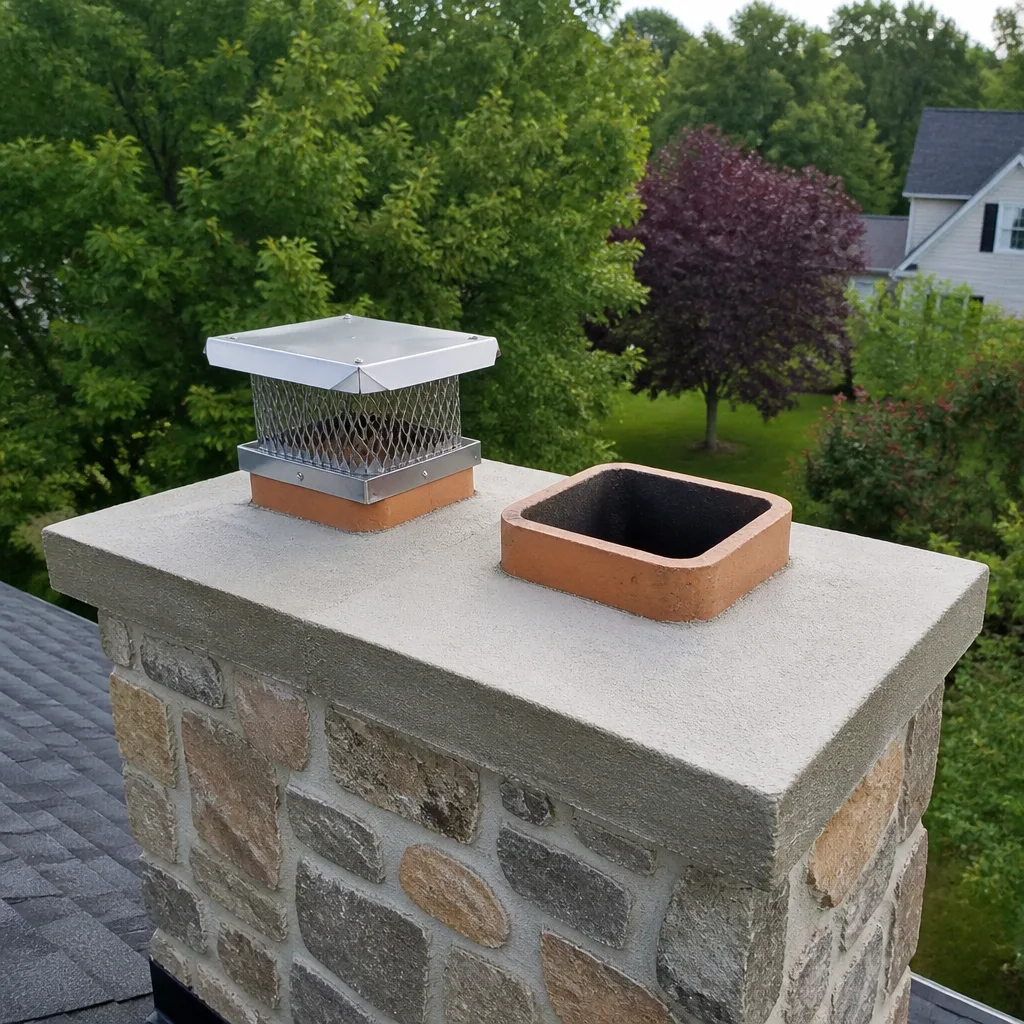 Sweep & inspection
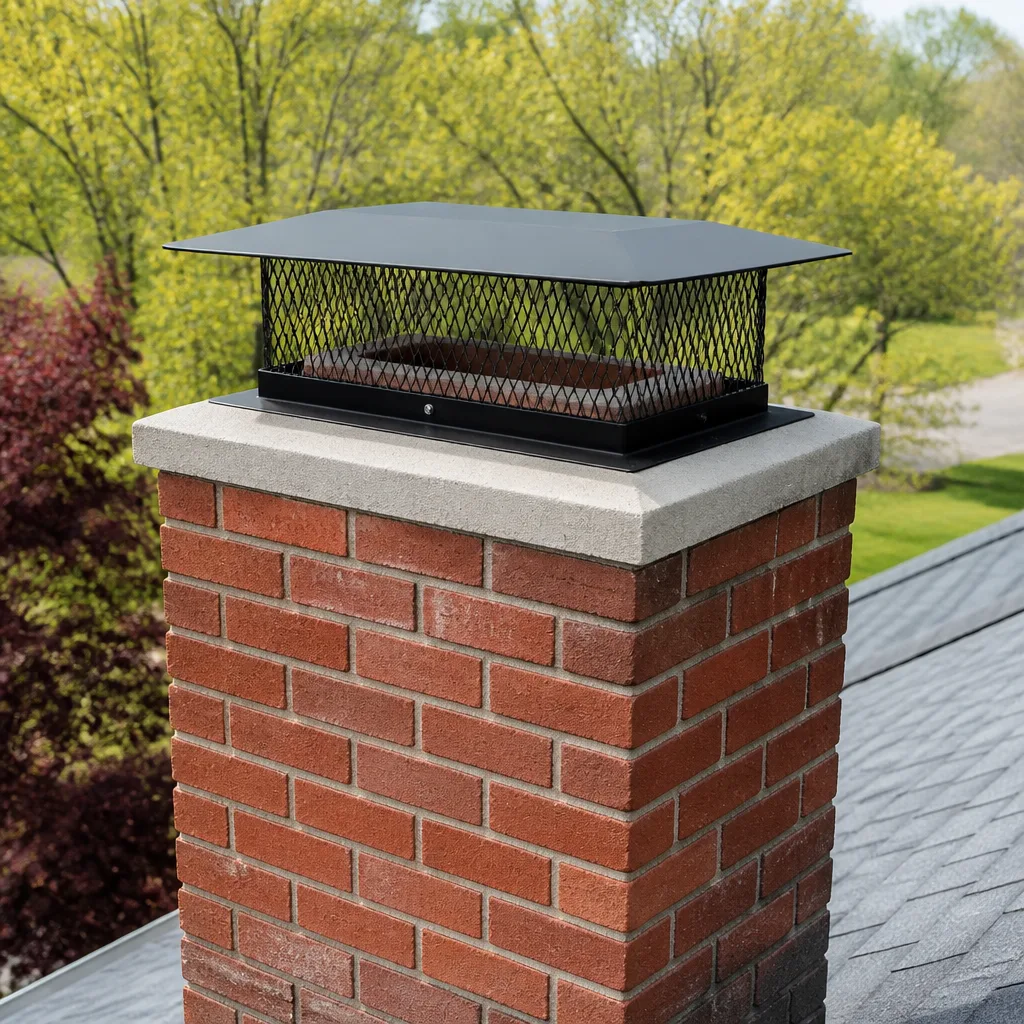 Caps & crowns
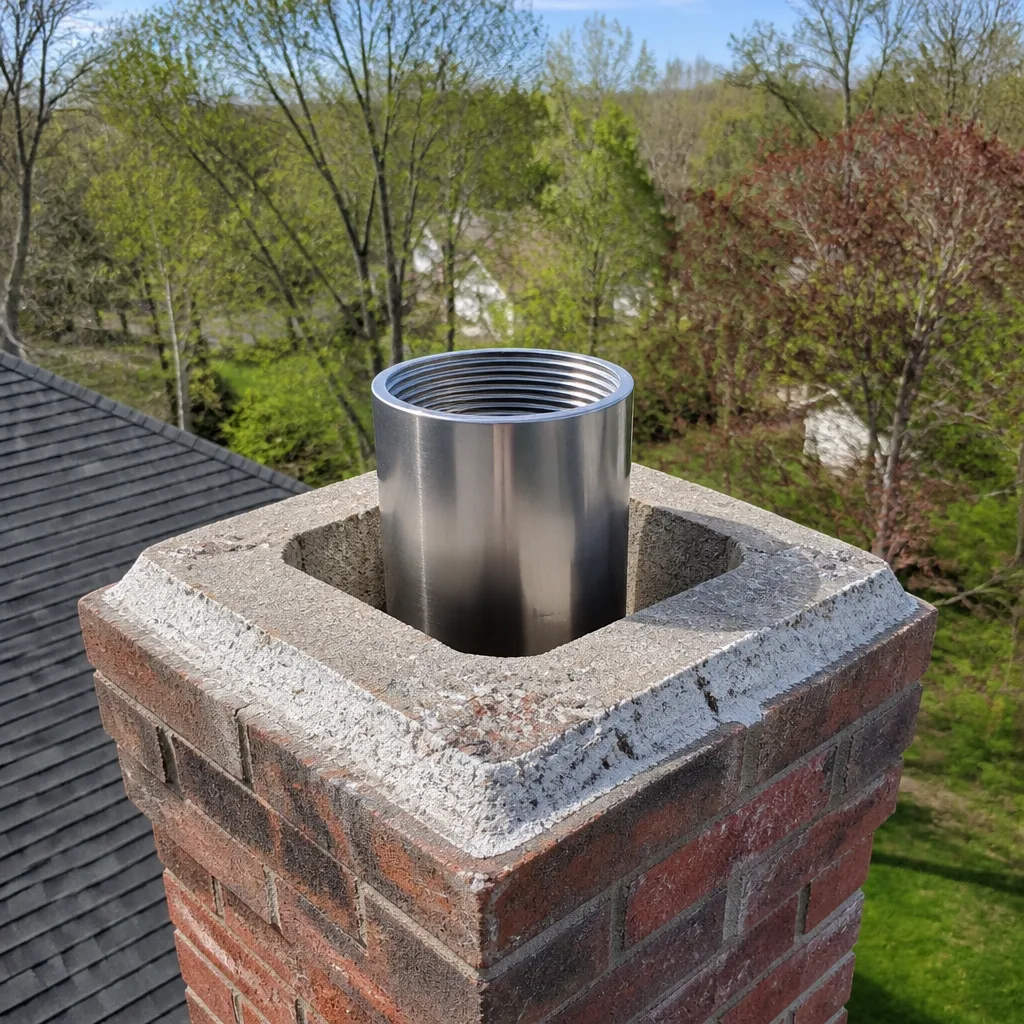 Flue relining
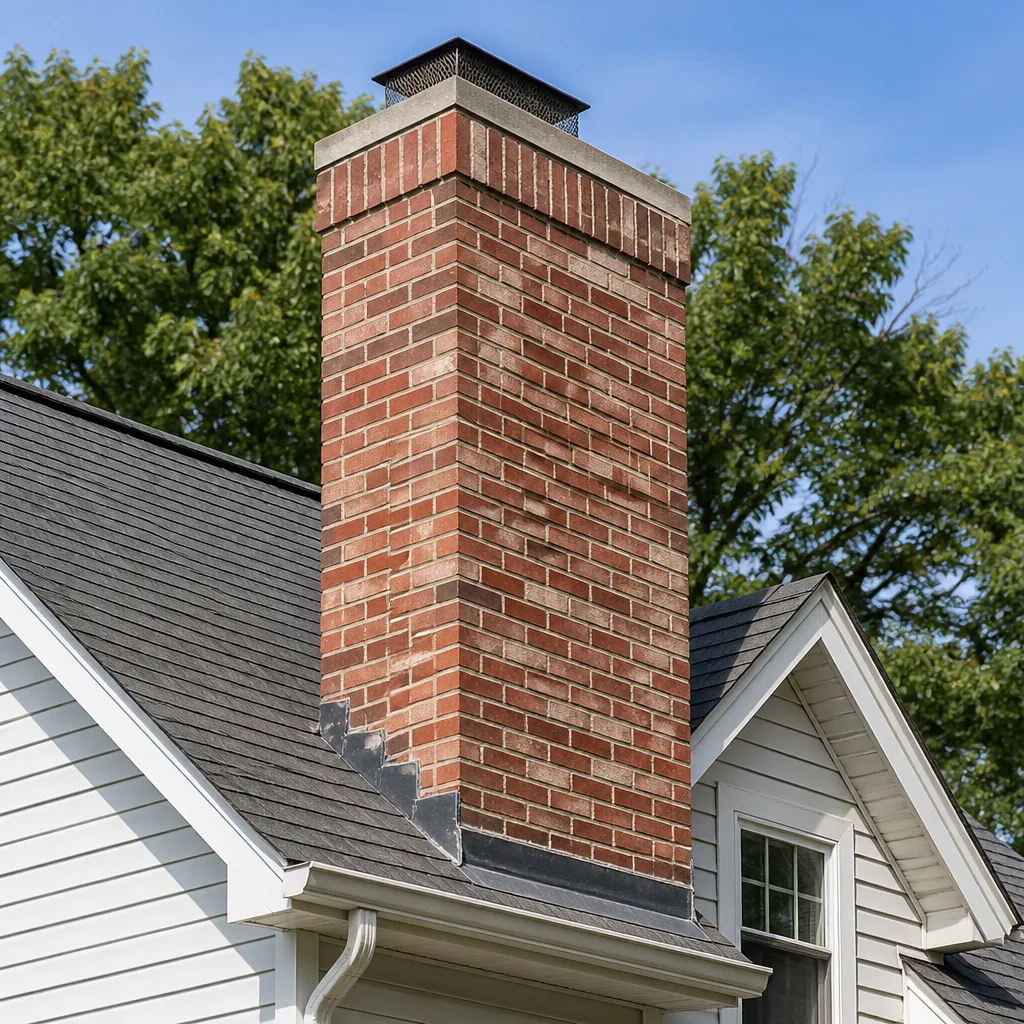 Masonry repair
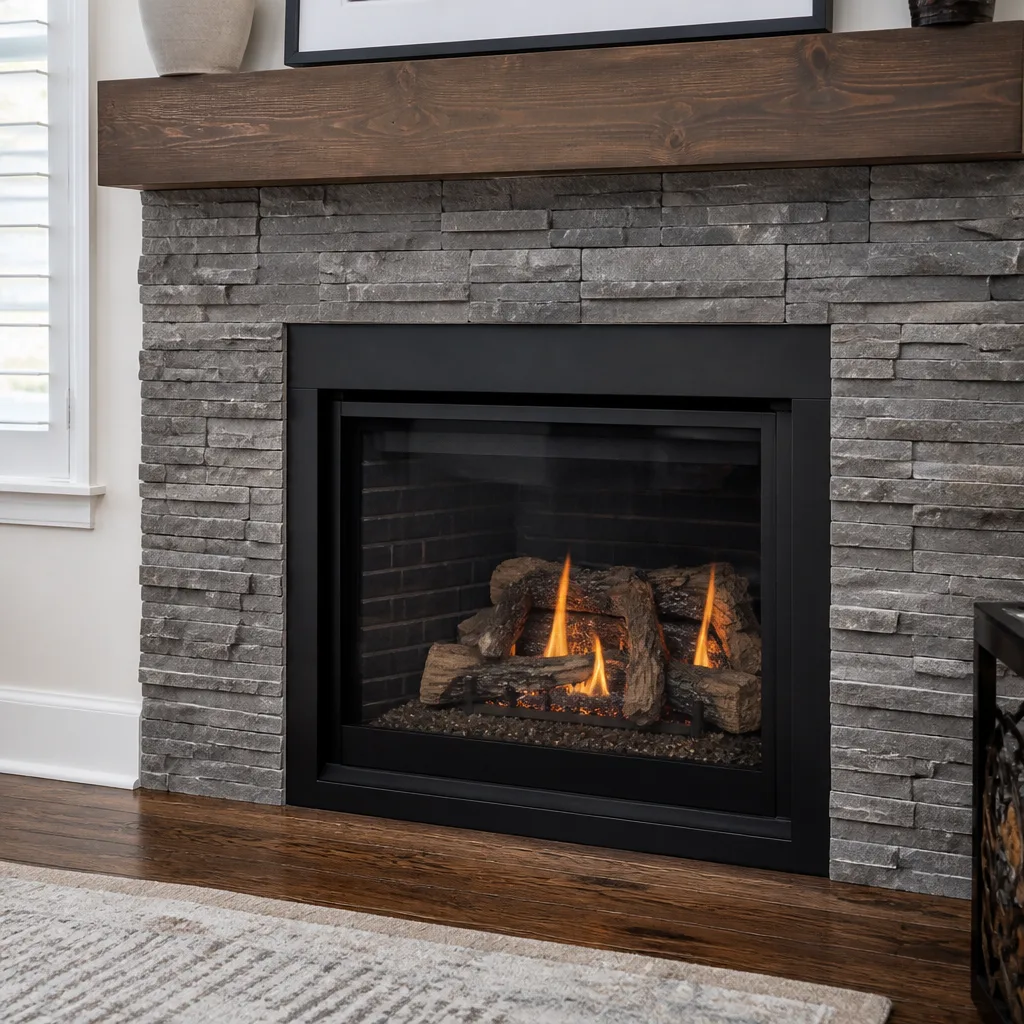 Gas fireplace service
Level 1 sweep and inspection to the NFPA 211 annual standard - flue, crown, cap, and flashing checked and photographed
Chimney sweep logs do not sweep chimneys. They loosen some creosote - which then falls where a brush and vacuum still have to collect it.
Chimney Cleaning Emergency Preparedness Guide for Laguna Niguel Homes
Most homeowners treat a chimney fire as bad luck. In Laguna Niguel, it usually isn’t. The pattern is almost mechanical: a flue sits unused through a long, dry summer while cobwebs, leaf litter, and last season’s creosote collect inside it, then the first cool evening in October arrives and someone finally lights a fire. The draft pulls everything upward at once, and whatever had settled in the flue meets a hot ignition source. That sequence is predictable, which means it’s also preventable through planning rather than panic. This guide walks through how to recognize an active chimney fire while it’s happening, the exact first moves that matter, the post-event protocol most homeowners never hear about, and how Santa Ana wind events turn an uncapped chimney into a liability. You’ll finish with a documented, repeatable plan for your Laguna Niguel home.
Quick Answer
Chimney fire preparedness in Laguna Niguel comes down to three habits: sweep before the first fire of the season, keep a working cap and spark arrestor on the flue, and know the first-60-second response (close the damper, call 911, evacuate the home). If a fire does happen, the chimney cannot be used again until a Level 2 inspection clears it, which California code requires after any suspected chimney fire. Preparation is cheaper and faster than the recovery.
Styles & brands we work with
- Sweep & inspection
- Caps & crowns
- Flue relining
- Masonry repair
- Gas fireplace service
Table of Contents
- Why October Is the Highest-Risk Month for Laguna Niguel Chimneys
- How to Identify an Active Chimney Fire While It’s Happening
- The First 60 Seconds of a Suspected Chimney Fire
- After the Fire: Why a Chimney That “Survived” Still Can’t Be Used
- Wildfire Ember Intrusion and Santa Ana Wind Events
- Cap, Crown, and Spark Arrestor Standards for Laguna Niguel Homes
- Emergency Documentation: What to Record, Photograph, and Report
- Your Seasonal Preparedness Checklist
Why October Is the Highest-Risk Month for Laguna Niguel Chimneys
The riskiest chimney in Laguna Niguel is the one that hasn’t been touched since spring. October is where those habits collide with the calendar. The first genuinely cool evening after a long, dry stretch is when people light that first fire, and by then the flue has been sitting dormant through the region’s driest months, collecting debris, insect nests, spider webs, and whatever creosote residue was left behind at the end of the last season. When that flue finally heats up, all of it is available to burn at once.
There’s a second reason October stands out. Creosote deposits from the previous cool season have had months to harden. Fresh creosote is soft and relatively easy to remove; the same deposit aged through a Southern California summer can turn brittle, glazed, and far more combustible. A flue that felt “fine” last March is a different flue by October.
The pattern repeats in concentrated clusters:
- First-of-season ignition: the initial fire after months of dormancy, when the flue is at its dirtiest.
- High-wind events: Santa Ana wind days that change draft behavior and can drop embers onto the roof or into the flue.
- Deferred maintenance: a season or two skipped because “we barely used it,” which compounds into a genuinely unsafe flue.
The practical lesson is that chimney emergencies cluster in a window you can name in advance. Schedule a chimney sweep before the first fire of the season, not after the first scare. Our technicians have up to 12 years of experience reading exactly these seasonal patterns, and a pre-season inspection is the single highest-value hour you can spend on your fireplace each year.
How to Identify an Active Chimney Fire While It’s Happening
A chimney fire doesn’t always announce itself with flames shooting out of the top. Many are quiet, slow, and easy to mistake for an unusually hot fire. Recognizing the difference while it’s happening is the skill that determines whether you have a manageable event or a structural emergency. The classic visible-and-audible signature looks like this:
- Sound: a low rumble, roaring, or a sound like a freight train approaching, which comes from the rapid ignition of creosote inside the flue.
- Smell: a sharp, acrid odor, often described as burning tar or hot asphalt, distinct from normal wood smoke.
- Sight from the top: dense black or gray smoke that shifts to puffs of yellow-orange color; sparks or visible flame at the chimney crown.
- Heat on the outside: the chimney chase or the wall surface near the flue is hot to the touch.
- Puffing at the firebox: the fire appears to be pushed back into the room, or smoke jams at the damper.
A slow-burning chimney fire may show only some of these. The reliable tell is odd behavior from a fire that seemed normal. If the stove starts pushing smoke the wrong way, or the chimney is audibly roaring, assume it’s a chimney fire until you have a reason to think otherwise. That instinct to assume the worst is not overreaction; it’s how professionals diagnose.
If you’re unsure what you’re hearing, call us at (855) 594-8044 to talk it through. If you have any reason to believe there’s fire inside the flue, skip the phone call and move straight to the evacuation steps below, then call 911 from outside the home.
The First 60 Seconds of a Suspected Chimney Fire
The critical moves in a chimney fire are the ones made in the first minute. Getting them right keeps a manageable flue event from turning into a house fire, and every adult in the household should know them without reaching for this guide. Here’s the sequence to rehearse:
- Close the damper if it’s safely reachable. The damper controls the air flowing into the chimney. Closing it starves the fire of the oxygen it needs to keep growing and can drop the flame inside the flue down to a smolder.
- Get everyone out of the home. Don’t stop for belongings, don’t go back for pets if there’s a delay, and don’t wait to see whether flames appear at the roof. If there’s a chimney fire, you get outside.
- Call 911 from outside. Fire department response is the safest, fastest check on structural damage, even if the fire appears small from the ground.
- Don’t add water from the roof or the firebox. Pouring water into a hot flue can crack the liner or send a scalding steam burst back into the room. Water goes to the fire department, not the flue.
Why closing the damper matters: a chimney draws air upward by design. A fire in the flue with the damper wide open is like a fireplace with the bellows pumping itself. Closing the damper restricts that airflow and removes the fire’s fuel supply. It’s the single highest-impact move available in the first minute, and it’s the one most people don’t know to make.
Practice this sequence twice a year, at minimum. Put a laminated card in the kitchen, another in the firebox area, and talk it through with anyone who uses the fireplace. Emergency readiness in a Laguna Niguel home starts with the same choreography a lifeguard rehearses: boring to practice, automatic when it matters.
After the Fire: Why a Chimney That “Survived” Still Can’t Be Used
A chimney that just went through a fire is not a chimney that can be used again. Even if it looks intact from the ground and no obvious damage shows, the interior of the flue has been through a thermal event that can leave hidden cracks in the liner, warp metal liners, loosen mortar joints, and change the structural integrity of the flue. That’s why California code treats a chimney fire as a life-safety event requiring an inspection before the chimney is put back into service.
The standard is a Level 2 inspection. A Level 2 inspection goes beyond what the eye can see from the firebox: it uses a camera to view the entire flue interior from the smoke chamber to the top of the flue, checks all accessible portions of the chimney exterior, and documents what’s found. It’s the only way to know whether a fire created damage you can’t see.
Until a Level 2 inspection clears the chimney, do not light another fire in it. That’s not a cautious interpretation. It’s the code basis for how insurers, fire departments, and chimney professionals all treat a post-fire chimney, and it’s a rule worth respecting regardless of how minor the fire seemed.
If the inspection does find damage, the fix may be more contained than you’d expect. A HeatShield resurfacing can restore a deteriorating flue interior without a full liner replacement when the damage is limited; a DuraFlex flexible liner handles chimneys with offsets or bends that rigid systems can’t navigate. We can also perform the inspection as a standalone service, so you know what you actually need before any repair decision. If you’d like to schedule one after a suspected fire, call (855) 594-8044. Estimates are free.
Wildfire Ember Intrusion and Santa Ana Wind Events
Santa Ana wind events are a chimney-specific hazard in Laguna Niguel, not just a general fire-weather concern. Those winds carry airborne embers, and a chimney that’s open at the top, uncapped, or missing a functioning spark arrestor is essentially a target: an ember can be driven down the flue and land on top of the creosote or debris inside, where it will smolder or ignite. That hazard exists whether the fireplace has been used recently or not.
The chimney elements that matter most during a wind event:
- A proper chimney cap that covers the flue opening without blocking exhaust. A cap is the first line of defense against both embers and the animals and debris that turn a flue into a fire hazard between seasons.
- A spark arrestor screen integrated into the cap. This is the standard that lets exhaust through but blocks embers, and it’s the part most caps installed by generalists skip.
- An intact crown. The crown is the sloping concrete surface at the top of the chimney. Cracks in the crown let water in, which degrades the flue lining and weakens the structure that holds the cap.
During a Santa Ana wind event, don’t burn in the fireplace, and don’t assume a cold flue is safe from ember intrusion. The hazard is at the top of the chimney, not the firebox. If you’re not sure whether your cap is intact or your spark arrestor is present, this is worth a look before the next wind event rather than after. We install caps and crowns using Gelco and Famco components sourced from those manufacturers, so the assembly is a proper cap, not a field-fabricated workaround.
Cap, Crown, and Spark Arrestor Standards for Laguna Niguel Homes
Water intrusion is the leading cause of chimney damage in Southern California, and the cap and crown together are what stop it. A cracked crown lets rain wick into the chimney structure; a missing or damaged cap lets water fall straight down the flue. Neither of those failures is dramatic. Both are cumulative, and by the time they show up as visible damage, the repair is much larger than the cap and crown would have been.
The standards that matter for a Laguna Niguel chimney:
- The cap covers the flue opening with clearance for exhaust, so smoke exits cleanly rather than being pushed back into the home.
- A spark arrestor screen is in place to block embers and animals from entering the flue.
- The crown is sound and properly sloped so water runs off rather than pooling or wicking into the structure.
- The cap is mounted to the flue and not loose or reliant on weight to stay in place during wind.
Most homeowners have caps that fail at least one of those points, typically the spark arrestor or the mounting. If you’ve had a handyman install one, it’s worth having it checked against the manufacturer spec. We install caps and crowns using Gelco and Famco components, and we also use Olympia Chimney systems where the chimney configuration calls for it. That’s what we mean by full-service specialist work: the top of your chimney gets the same manufacturer-sourced treatment as the flue inside it.
Emergency Documentation: What to Record, Photograph, and Report
After any chimney event, documentation is what makes an insurance claim workable. Without records, you’re relying on memory and a claims adjuster’s assumptions. With them, you have a clear file the insurer can act on. Do this after the fire department has cleared the home and before you make any calls or repairs.
- Photograph everything before touching it. The firebox, the chimney top, the crown, the inside of the flue if safely reachable, and any visible interior damage to walls or ceiling near the chase. Take wide shots and close-ups.
- Record the date and time of the fire, along with what you observed (sound, smell, smoke color, visible flame) and when you evacuated.
- Get the fire department’s incident report number if they responded. That report is the single most useful document in an insurance claim.
- Record the last sweep and inspection dates. If you track these (and you should), pull out the records. An insurer wants to see that routine maintenance was ongoing.
- Get the Level 2 inspection report before any repair estimate. A written inspection report with camera photos is the professional documentation an adjuster will accept; a verbal “it looks damaged” is not.
- Keep every receipt and communication. Fire department visit, inspection, estimate, and repair. File them together.
We can help with the professional side of this. Our inspection reports include the camera footage and photos of what we found, so you have a complete file for your insurer rather than a summary. Call (855) 594-8044 to schedule a post-event inspection. We answer 24/7. Fast dispatch from 7am to 7pm, Sunday through Friday.
Your Seasonal Preparedness Checklist
Preparedness is a set of tasks you do on a schedule, not a one-time setup. Run this checklist each September before the first fire of the season:
- Schedule a sweep before the first fire. If it’s been more than a year since the last one, don’t wait.
- Test smoke and carbon monoxide alarms. Replace batteries and check that the CO alarm near the fireplace is functioning.
- Inspect your cap and crown from the ground. Binoculars work fine. Look for cracks, missing spark arrestor screens, or a loose cap.
- Check the damper. It should open and close smoothly, and it should be fully open before any fire is lit.
- Clear the firebox area. Remove any accumulated ash from the previous season and check for debris that shouldn’t be there.
- Confirm your records are current. Know your last inspection date and whether your sweep company can provide documentation.
- Rehearse the first-60-second response with everyone who uses the fireplace. The plan is only useful if someone remembers it under pressure.
We’ve walked Laguna Niguel homeowners through this checklist hundreds of times, and the items that save the most money are always the cheapest ones: a cap that works, a crown that doesn’t leak, and a sweep that happens before the first fire. Our technicians have up to 12 years of experience reading these failure points, and we’ll tell you what your chimney needs rather than what costs the most. That includes recommending repairs only when the evidence supports them and telling you when work can safely wait.
Water intrusion damage is the failure that catches Laguna Niguel homeowners most often by surprise. See our chimney repair page for what that damage typically looks like and how we address it.
Common Mistakes to Avoid
- Using the fireplace after a suspected chimney fire “because it still works.” A flue that functions doesn’t mean it’s safe. No fire goes into the chimney again until a Level 2 inspection clears it.
- Skipping the annual sweep because “we barely burned last season.” Six months of dormancy is exactly what lets debris and insect nests build up. Light use plus a warm summer is a worse combination than heavy use with regular sweeps.
- Assuming an uncapped chimney is fine because “we only burn twice a year.” The lack of a cap is a hazard every day of the year, not just when there’s a fire in the firebox.
- Pouring water into a chimney fire. Water hitting a hot flue can crack the liner or flash to scalding steam. Close the damper and get everyone out.
- Treating a handyman’s flue cleaning as a chimney inspection. There’s a difference between sticking a brush up the flue and performing a Level 2 inspection that documents the full flue with a camera. If you’re not getting a written report, you’re not getting an inspection.
- Filing an insurance claim without documentation. A fire department incident number and a professional inspection report are the documents that make a claim go smoothly. A verbal description is the one that stalls.
- Ignoring Santa Ana wind events. Don’t burn during a wind event, and treat the condition of your cap and spark arrestor as a pre-wind-season priority.
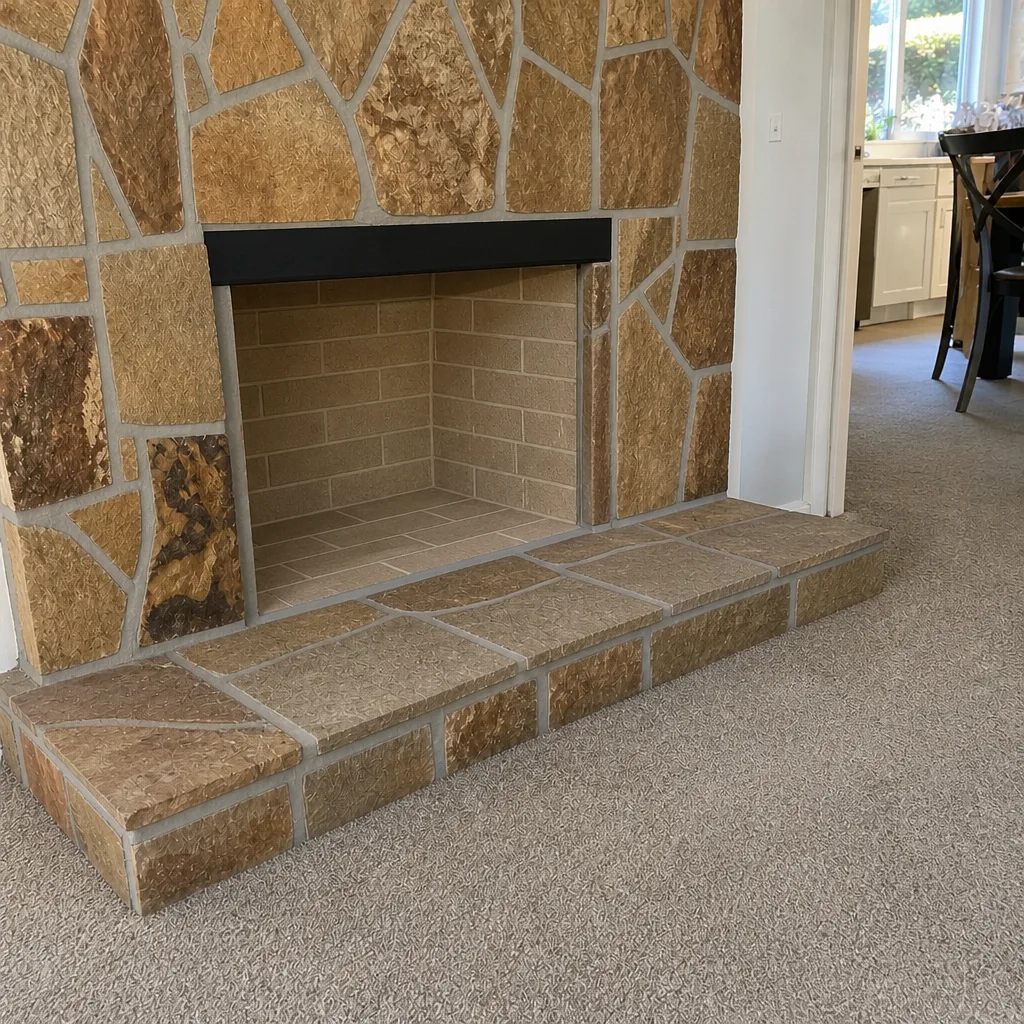
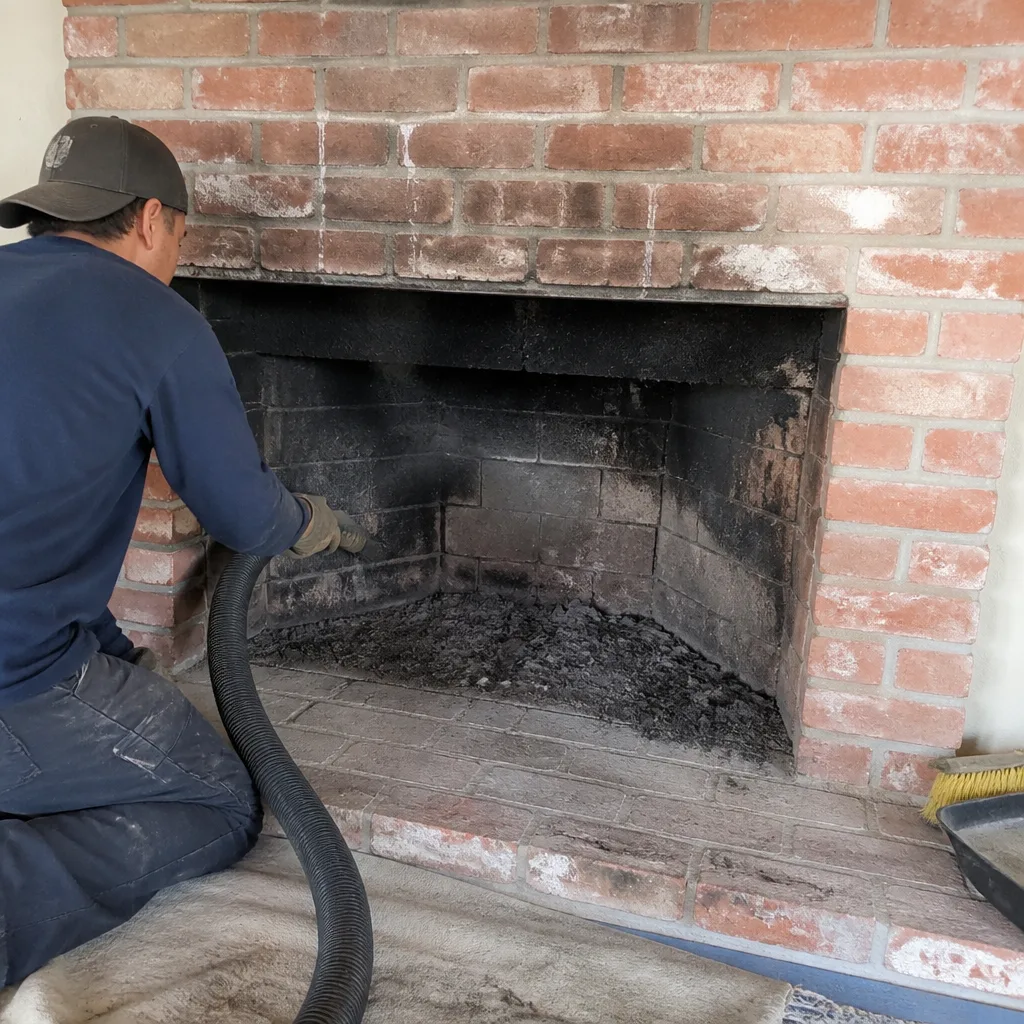
See the difference
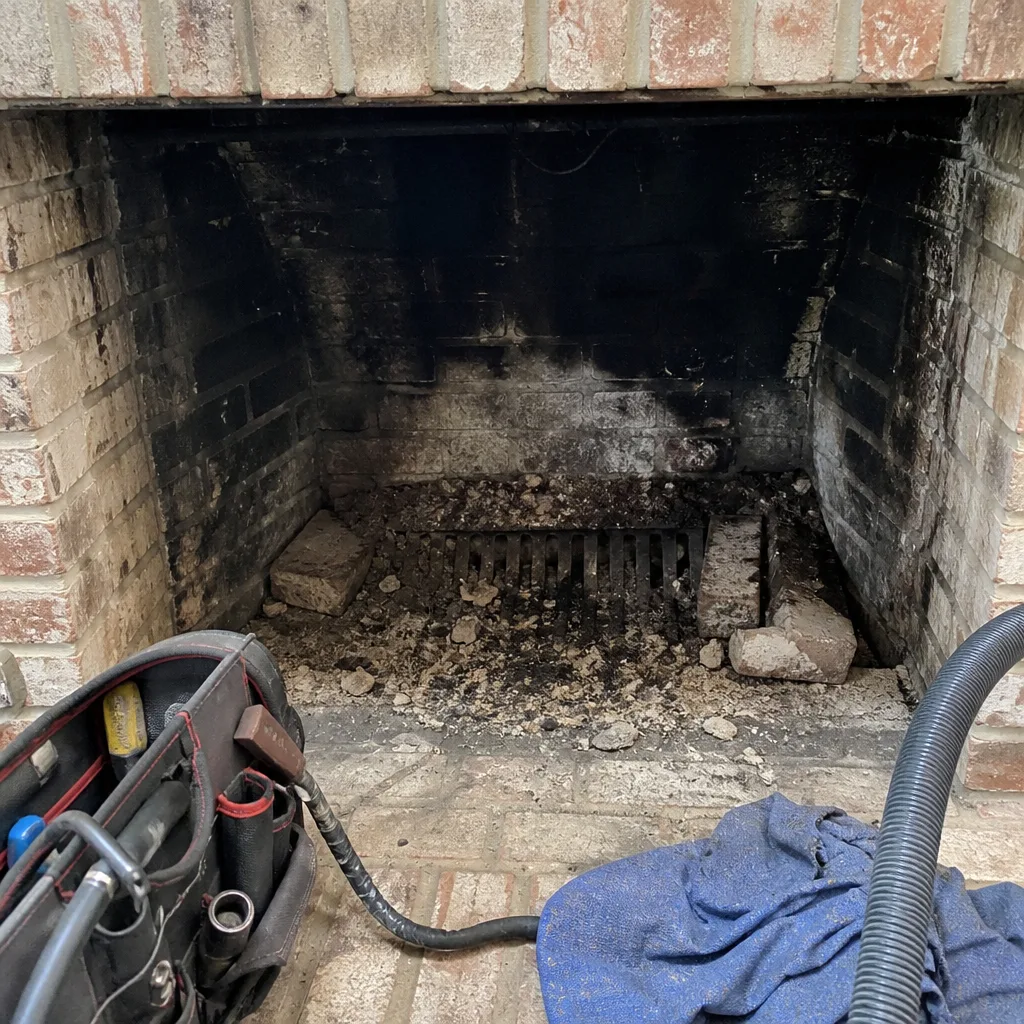 Before
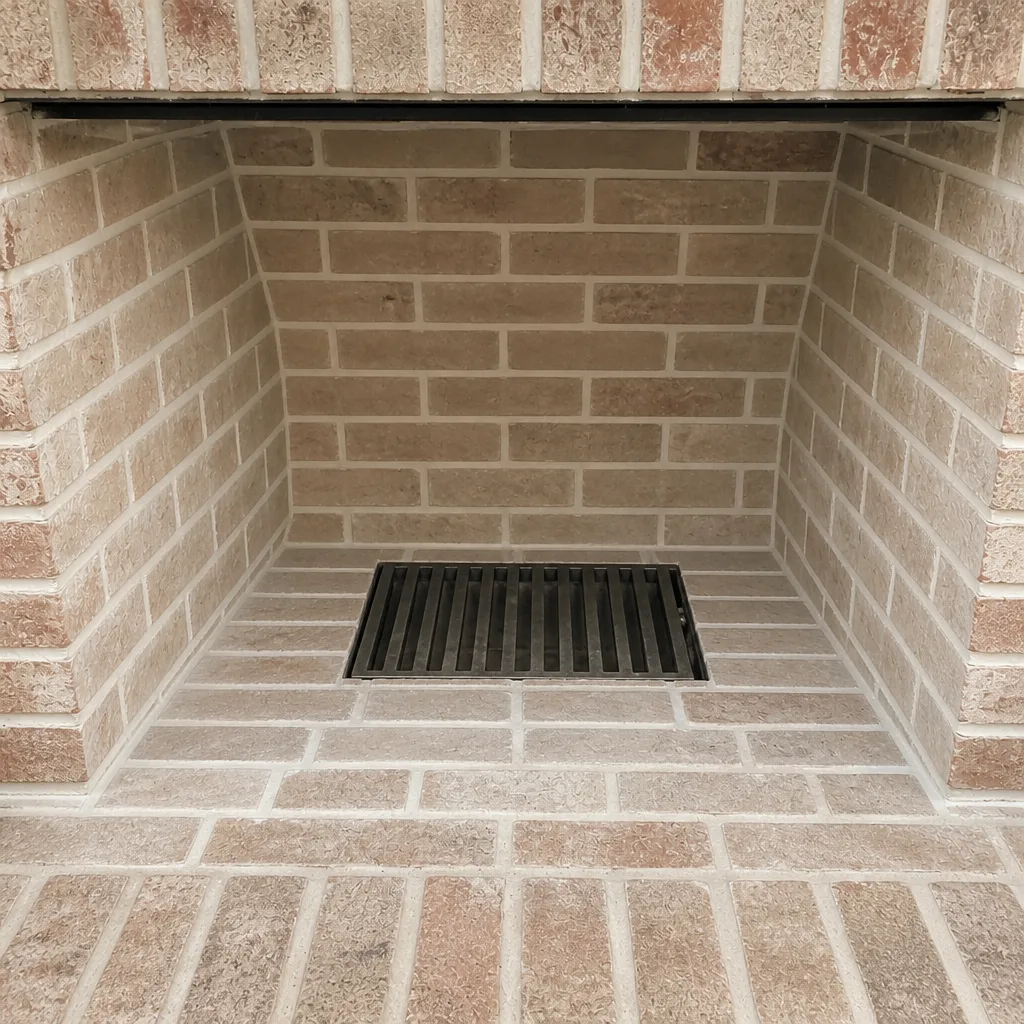 After
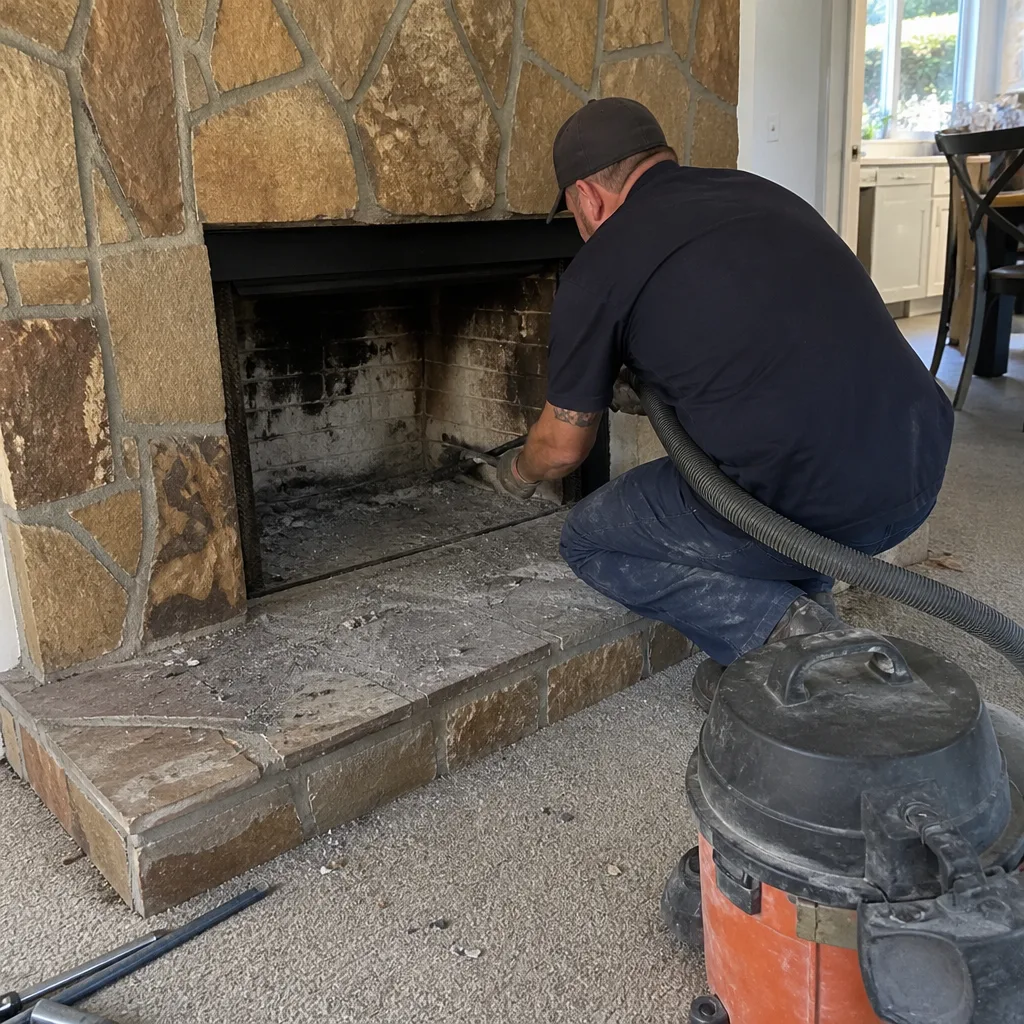 Before
 After
 Before
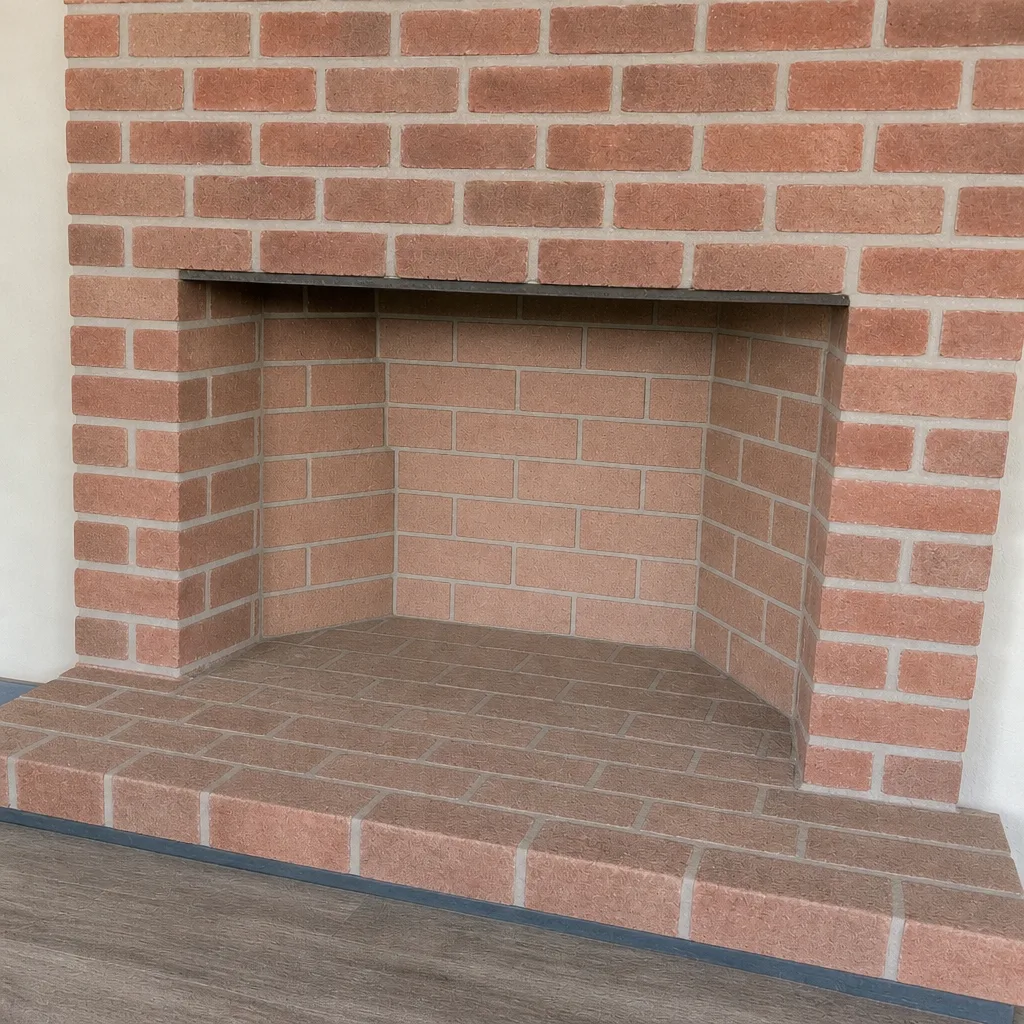 After
When to Call a Professional
Call us if any of these apply: you’ve had a chimney fire, even a small one; you’ve never had your chimney inspected; you’ve noticed creosote buildup or a strange smell when the fireplace is in use; your cap or crown shows cracks or is missing; or it’s been more than a year since your last sweep. Call us if you’re unsure whether your flue is safe to relight or if you’re the new owner of a Laguna Niguel home and want a baseline inspection. A professional sweep is the safest way to establish what shape your chimney is in, and it’s the foundation for everything else in this guide.
The Laguna Niguel Chimney Sweep Pros team offers free estimates in Laguna Niguel. Call (855) 594-8044 to get on the schedule before the first fire of the season. If you’re looking specifically at interior fireplace work, our fireplace repair page covers the firebox side of the system.
Frequently Asked Questions
Once a year is the baseline for most homes, and the most useful time is before the first fire of the season. Homes that burn frequently, or burn wood that leaves heavy creosote, may need more frequent attention. The cleaner your flue going into October, the lower your risk of a first-of-season chimney fire. Call (855) 594-8044 for an exact quote – estimates are free.
Creosote and debris accumulate in the flue, and the flue becomes a fire hazard. A chimney fire is the most serious outcome, but even a minor one can damage the liner and require a Level 2 inspection and repair. Skipping a sweep is one of the simplest ways to turn a small maintenance cost into a structural repair. Call (855) 594-8044 for a sweep estimate before the season starts.
Close the damper if it’s safely reachable, get everyone out of the home, and call 911 from outside. Don’t put water on it and don’t re-enter until the fire department has cleared the home. After the fire, schedule a Level 2 inspection before using the chimney again. We answer 24/7, and a call outside dispatch hours is booked into the next opening, Sunday through Friday, 7am to 7pm. Call (855) 594-8044.
Not until a Level 2 inspection clears it. A chimney that shows no visible damage can still have a cracked liner or loosened mortar from the heat, and those failures aren’t visible from the firebox. The code basis is clear: a post-fire chimney needs documented camera inspection before it goes back into service. Call (855) 594-8044 to schedule one – estimates are free.
Not always. If the inspection finds that the flue interior has deteriorated but isn’t structurally compromised, HeatShield resurfacing can restore it without a full liner replacement. If the flue has offsets or bends that a rigid liner can’t navigate, a DuraFlex flexible liner is the right approach. We don’t recommend either without camera evidence you can see for yourself. Call (855) 594-8044 for an inspection first.
The cap and spark arrestor protect the flue from water intrusion and from embers driven into it during Santa Ana wind events. A cap without a spark arrestor is only doing half its job. We install caps and crowns using Gelco and Famco components, and we inspect the existing cap as part of every sweep. If you’re not sure what’s up there, call (855) 594-8044.
A real inspection ends with a written report and camera images of the flue interior. A flue cleaning or a verbal “looks fine” is not an inspection. A Level 2 inspection documents the entire flue and the chimney exterior, and that documentation is what you need for any insurance claim. Call (855) 594-8044 to schedule one.
A sweep is the cleaning. It removes creosote and debris so the flue is safe to use. An inspection is the assessment: it evaluates the flue’s condition, the liner, the cap, the crown, and the firebox, and it produces a written record. Most homes need both, and we perform each as a standalone service rather than bundling them as an upsell. Call (855) 594-8044 for pricing on either – estimates are free.
The Bottom Line
Chimney emergencies in Laguna Niguel follow a pattern, and once you see the pattern, you can plan around it. The first fire of October in a dormant, unswept flue is the most predictable hazard of the year. Santa Ana wind events turn an uncapped or broken-top chimney into an ember trap. Both are avoidable through the same habits: annual sweep, working cap and spark arrestor, sound crown, and a rehearsed 60-second response if something does go wrong. If a fire does occur, a Level 2 inspection is not optional before the chimney is used again. Our technicians have up to 12 years of experience, and we’ll tell you what your chimney needs, not what costs the most.
Call (855) 594-8044 for a free estimate in Laguna Niguel. We answer 24/7. Fast dispatch from 7am to 7pm, Sunday through Friday. Get on the schedule before the first fire of the season, and walk into October with a chimney you’ve already checked.
Written by the team at Laguna Niguel Chimney Sweep Pros.