
Last updated November 25, 2026
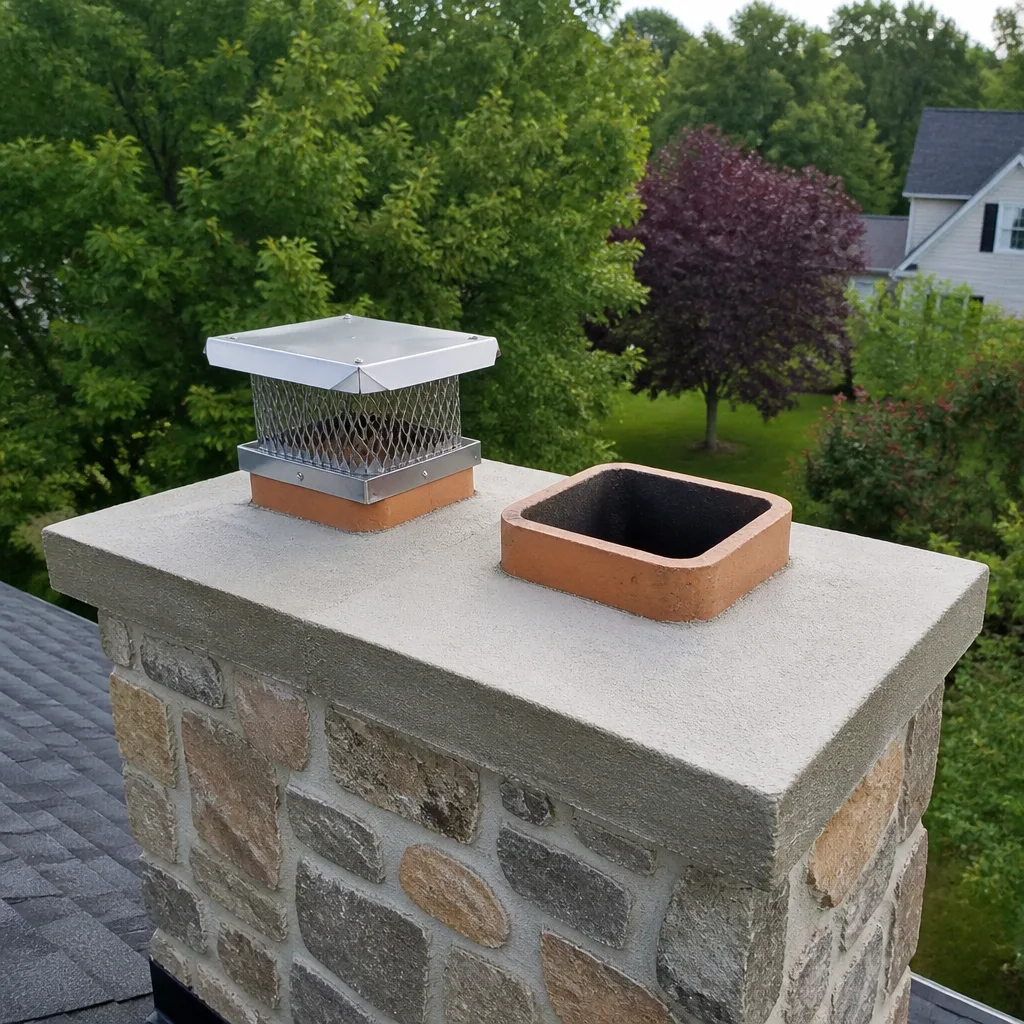 Sweep & inspection
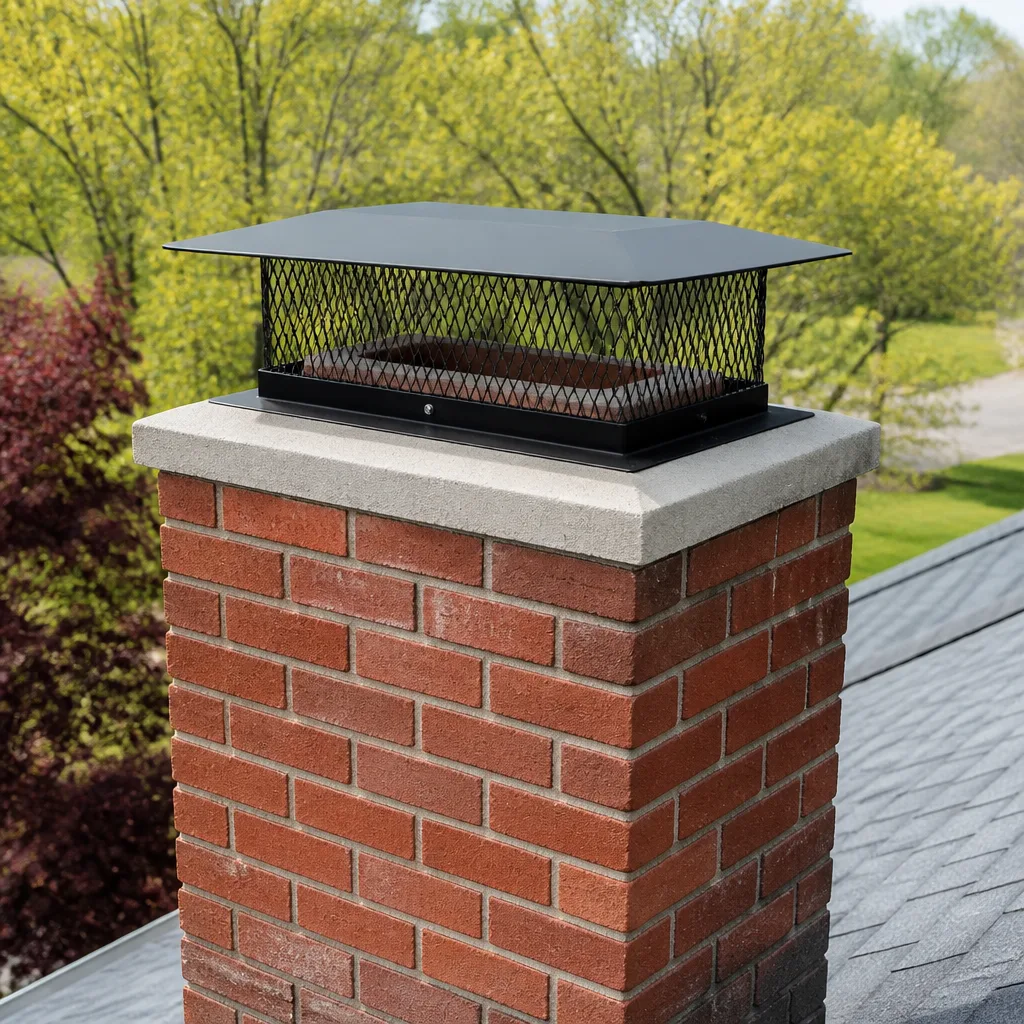 Caps & crowns
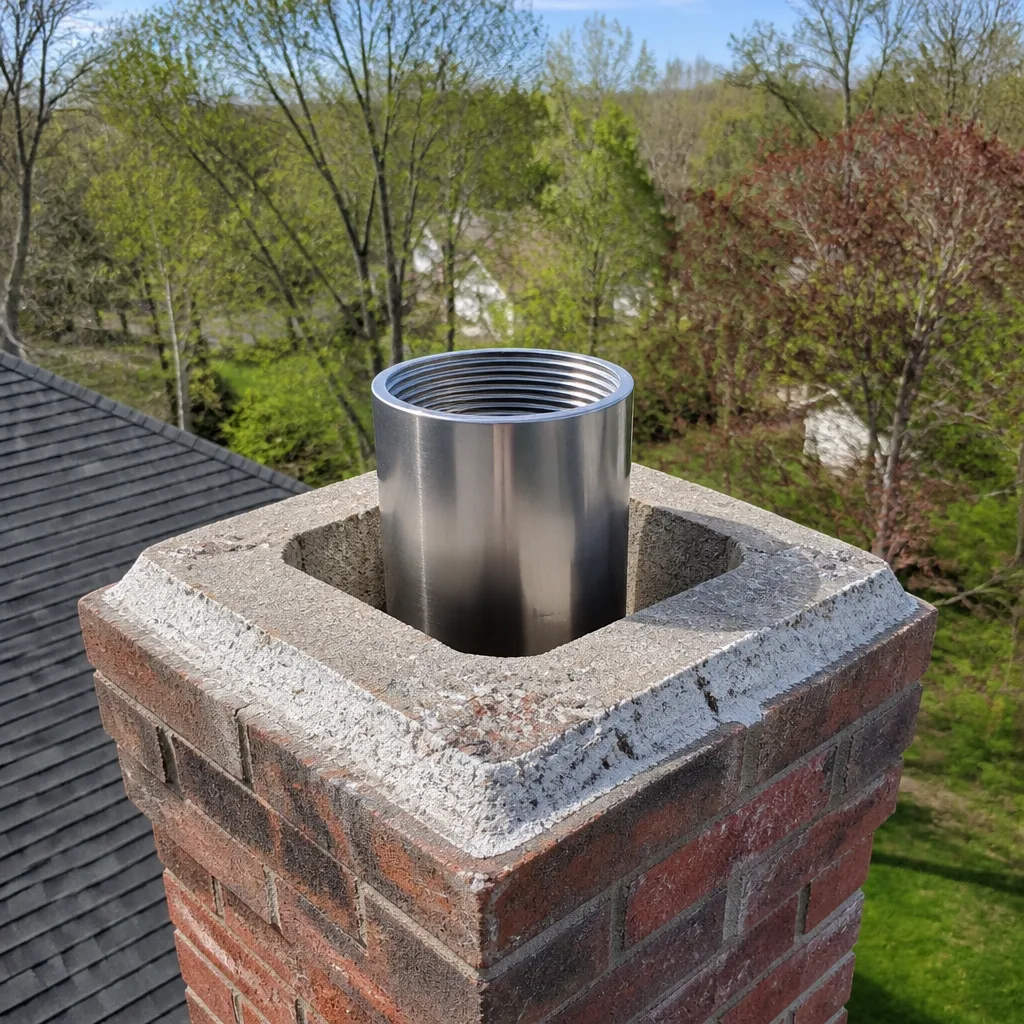 Flue relining
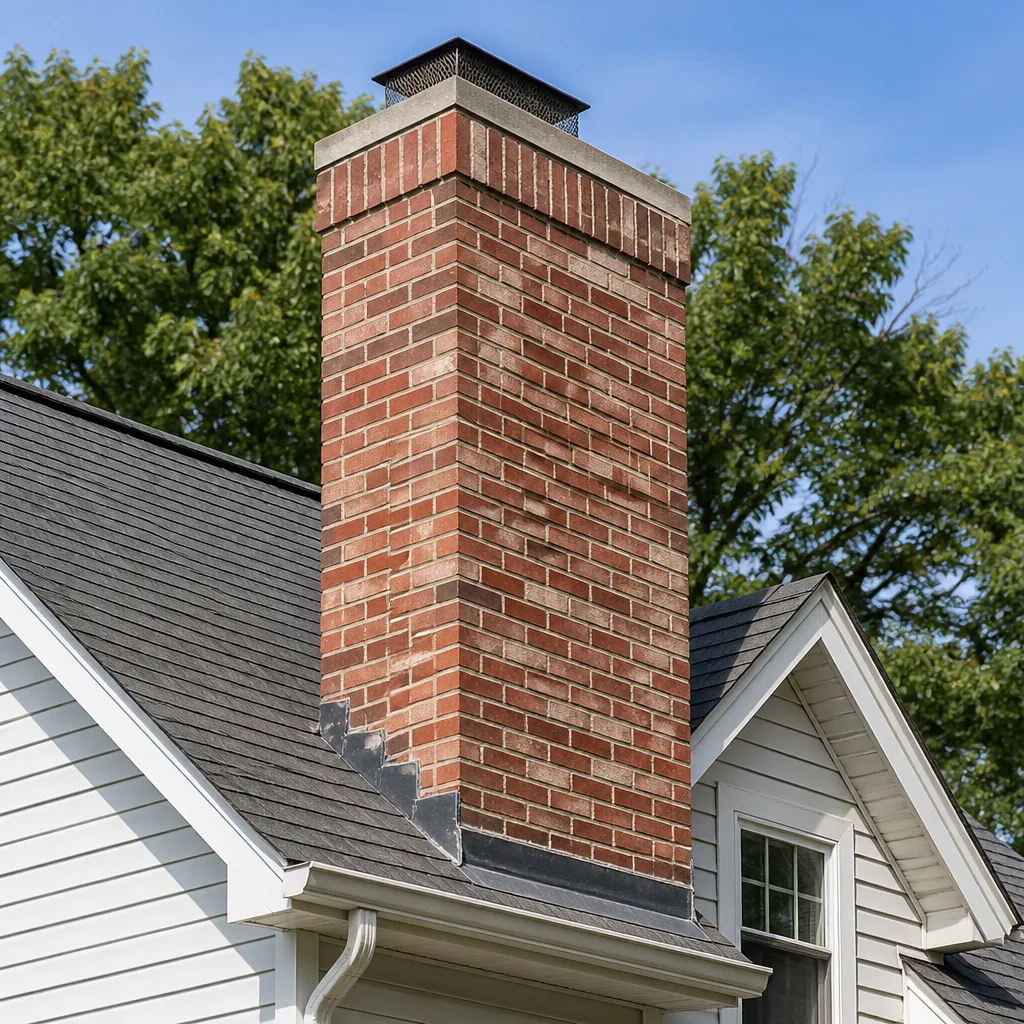 Masonry repair
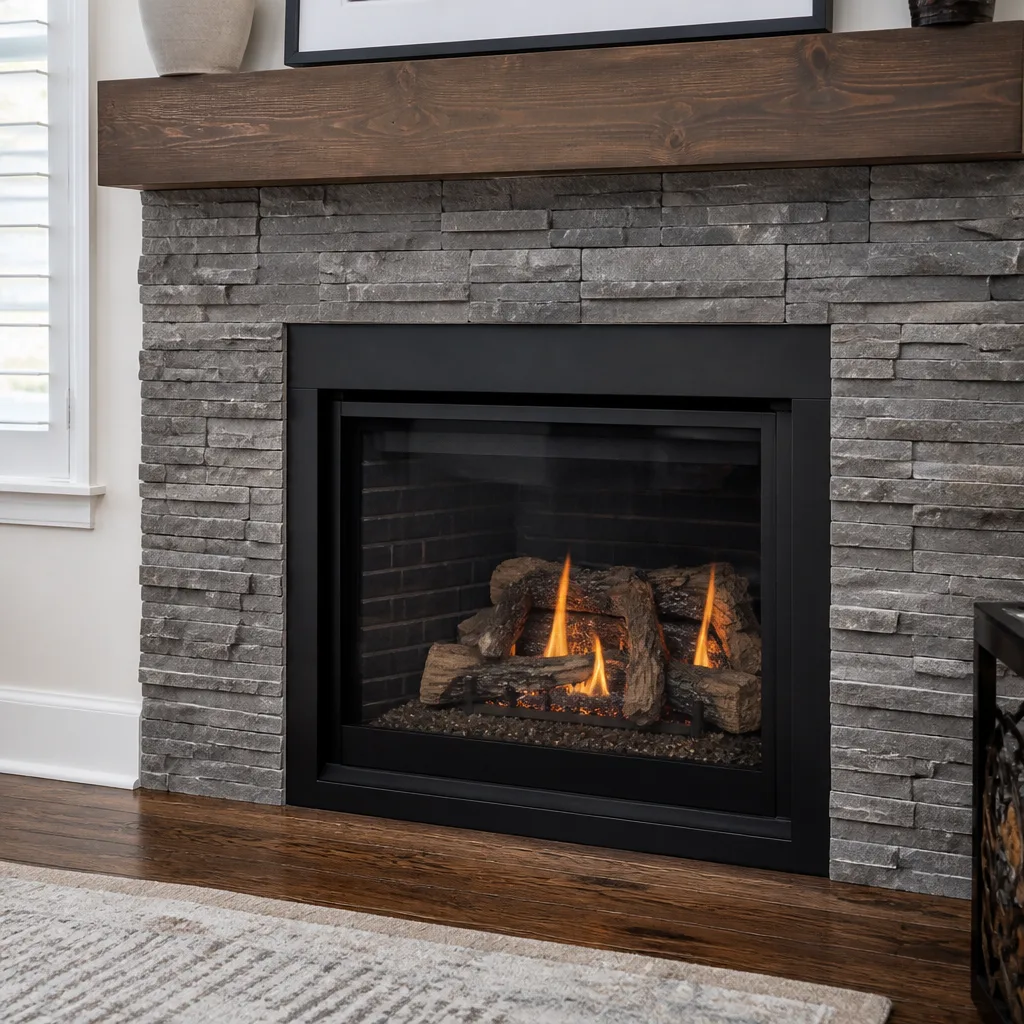 Gas fireplace service
Level 1 sweep and inspection to the NFPA 211 annual standard - flue, crown, cap, and flashing checked and photographed
Chimney sweep logs do not sweep chimneys. They loosen some creosote - which then falls where a brush and vacuum still have to collect it.
Chimney Sweep Maintenance Checklist for Laguna Niguel Homeowners
Most homeowners think the annual sweep is the whole checklist. It isn’t. The tasks that actually save money here are the short visual checks you do before the first fire of the season and again after the last one – the ones that catch a loose cap or a crack in the crown before water has had a full rainy season to work its way into the masonry. Laguna Niguel’s mild, dry summers and short burn window mean your chimney sits idle for most of the year, and idle chimneys degrade in ways working chimneys don’t. This guide walks you through a full year of chimney care, timed to how fireplaces here actually get used: what to check in September, what to do in March, which exterior parts wear fastest, what you can inspect safely yourself, and how to keep a maintenance log that holds up when you sell or file a claim.
Quick Answer
A chimney maintenance checklist for Laguna Niguel runs on two anchors: a pre-season inspection and sweep in early fall before your first fire, and a post-season close-out in spring that catches water intrusion and pest entry before the long idle summer. Between those, a five-minute visual check of the cap, crown, and flashing a few times a year catches most of the damage that gets expensive when it’s ignored.
Styles & brands we work with
- Sweep & inspection
- Caps & crowns
- Flue relining
- Masonry repair
- Gas fireplace service
Table of Contents
- Why the Timing of Your Chimney Checklist Matters in Laguna Niguel
- The Pre-Season Checklist: What to Do Before the First Fire
- The Post-Season Checklist: Closing Out the Fireplace for the Idle Months
- The Exterior Components That Wear Fastest Here
- What You Can Safely Check Yourself vs. What Needs a Technician
- How Often a Chimney Really Needs Sweeping
- How to Log Maintenance So It Protects Resale Value and Insurance
Why the Timing of Your Chimney Checklist Matters in Laguna Niguel
In colder parts of the country, a chimney runs hard from November through March, and the annual sweep happens because the flue has genuinely accumulated a season’s worth of creosote. Laguna Niguel doesn’t work that way. Most fireplaces here burn intermittently – a handful of cool evenings in December and January, maybe a few more in February, then long stretches of nothing. That pattern changes what maintenance your chimney needs and when.
A chimney that burns occasionally builds creosote slowly, but it also sits cold and damp for ten months out of the year. The mild, humid air of the idle season is when the exterior components take their real beating. Masonry absorbs moisture, the sun bakes it back out, and the cycle repeats. Cracks that start small in the crown or a seal that pulls loose at the flashing have months to let water in before you’d ever notice a problem from inside the firebox.
So the checklist here is built around the calendar, not the burn count. Two anchor points matter most: the early-fall check before you light the first fire, and the spring close-out before the fireplace goes dormant. Everything else is short and frequent. Get the anchors right and the rest is ten minutes of looking a few times a year. Skip them and you’re relying on the next technician to find damage that had a full year to spread. For owners who want the full scope of what a professional visit covers, our chimney sweep page lays out the inspection side in detail.
The Pre-Season Checklist: What to Do Before the First Fire
The first fire of the year is the riskiest one, because the chimney has been sitting unused since spring. Debris nests, a shifted cap, or a flue that’s never been swept can all go unnoticed until smoke backs into the room. Run this checklist in September, before the first cool evening tempts you to light up.
- Look up at the cap from the ground. A cap should sit level and secure over the flue. If it’s tilted, missing, or a bird has built a nest in the screened opening, that’s your first job. A blocked flue sends smoke and carbon monoxide back into the house instead of up and out.
- Shine a light up the flue from the firebox. Open the damper fully and look for visible soot buildup, animal nests, or daylight where there shouldn’t be. If you can’t see clear through to the top, stop here and get a technician’s camera on it.
- Check the firebox for cracked brick or loose mortar. Hairline cracks in the firebox lining let heat reach the masonry behind it, which is where real structural damage starts. Loose mortar joints between firebrick are a job for a specialist, not a tube of caulk.
- Test the damper. It should open and close smoothly and sit flush when closed. A damper that sticks open wastes heat and lets cold air down the flue when the fireplace isn’t in use.
- Clear the firebox and grate of last season’s ash. A little ash is fine as a bed, but a full clean-out makes inspection easier and removes material that can hold moisture.
- Book the sweep and inspection. If it’s been more than a year since a professional looked at the system, the pre-season visit is the one to schedule.
We can’t stress enough how much of the value in a pre-season visit comes from the inspection, not just the cleaning. A sweep clears the flue; an inspection tells you whether the flue, cap, crown, and firebox are sound. They’re separate jobs, and a real inspection stands on its own rather than serving as a preamble to a sales pitch.
The Post-Season Checklist: Closing Out the Fireplace for the Idle Months
This is the checklist most homeowners skip entirely, and it’s the one that matters most in Laguna Niguel. Once the fireplace goes dormant in March, the chimney sits exposed through the driest, sunniest months – and then the fall moisture returns to test every seal you didn’t check. Close it out right and the idle season becomes an ally instead of a slow leak.
- Sweep out the firebox and dispose of ash properly. Ash left sitting for months can draw moisture and pests. Wait until it’s fully cold, bag it, and store it in a metal container away from the house before disposal.
- Check the damper and close it. A closed damper is your first line of defense against pests and humid air entering the firebox from the top of the chimney.
- Inspect the cap and its screen. Screens tear, and a torn screen is an open invitation for birds and squirrels looking for a place to nest. This is cheap to fix now and disruptive to discover in September.
- Look at the crown and the flashing from the ground. Any crack in the crown or gap where the flashing meets the roof is where water gets in. Note it and get it evaluated before the fall rains.
- Check the exterior for gaps or cracks in the chase or siding. Small openings around the chimney where it meets the structure let moisture and insects in during the idle months.
- Schedule any repair work for the dry season. Masonry work, cap replacement, and crown repair all go better when the structure is dry and the weather isn’t working against the cure.
Our chimney repair service is built around exactly this window. The spring close-out is when small exterior fixes are cheapest to handle, because the material is dry and the issue is caught before it has spread.
The Exterior Components That Wear Fastest Here
The parts of your chimney system that fail first in Laguna Niguel aren’t inside the flue – they’re on top of the roof. Years of sun exposure and the swing between dry summers and damp winters wear the exterior faster than they wear anything the fire touches. Here’s where to focus your attention.
- The crown. That’s the concrete slab on top that sheds water away from the flue. Sun and moisture crack it over time, and once it cracks, water gets into the masonry below. A sound crown does more to keep your chimney dry than almost any other part.
- The cap. The cap and its screen keep rain, debris, and animals out of the flue. A loose or rusted cap lets all three in. Cap and crown work is where we lean on manufacturer-sourced components from brands like Gelco and Famco, rather than field-fabricating a workaround on your roof.
- The flashing. This is the metal that seals the joint where the chimney meets the roof. It’s the single most overlooked leak source on a chimney. A gap there lets water run straight into the attic and ceiling without ever touching the flue.
- The masonry and mortar joints. Moisture works into small cracks, the sun bakes it back out, and the mortar slowly loosens. Repointing loose joints early keeps water from getting behind the brick.
- The chase covering or siding around the chimney. Any gap where the chimney meets the house is a doorway for water and insects.
Look at all five from the ground a few times a year – after the last fire, before the first fire, and once in between. What you can’t see from the ground, a technician can evaluate on a roof inspection. Your chimney system, not just your flue, is what keeps you dry.
What You Can Safely Check Yourself vs. What Needs a Technician
There’s a real line between what a homeowner can check safely and what needs trained hands and a camera. Knowing where that line sits keeps you from wasting a service call on a glance – and from putting yourself or your home at risk on something that isn’t a look-and-see job.
Safe to check yourself:
- A visual look at the cap, crown, and flashing from the ground with binoculars.
- Opening and closing the damper and noting how it feels.
- Cleaning ash from the firebox once it’s fully cold.
- A light-shine up the flue from the firebox to check for obvious nesting or heavy soot.
- Looking at the firebrick for cracks or loose mortar.
Needs a technician:
- Climbing on the roof to inspect the cap, crown, and flashing up close. Roof-height work is where a homeowner gets hurt.
- Camera inspection of the flue to find cracks, gaps, and failed joints you can’t see with a flashlight.
- Any cleaning of the flue beyond the firebox. Creosote is more than soot – it’s combustible, and sweeping it out improperly spreads it around and can loosen buildup you can’t contain.
- Firebox and firebrick repair. Loose or cracked firebrick is a repair job; the wrong material here can fail under heat.
- Any work on the liner or flue interior. Liner work and resurfacing need professional hands, and our technicians can resurface a deteriorating flue interior with HeatShield rather than jumping straight to a full reline.
If a check turns up something on the roof side – a crack, a loose cap, a gap at the flashing – that’s the point to call. Don’t climb up to investigate. We’ll tell you what it needs, not what costs the most, and we’ll show you what we’re seeing. Our Laguna Niguel Chimney Sweep Pros team handles the inspection as a standalone service, so you’re not paying for a cleaning to get an answer.
How Often a Chimney Really Needs Sweeping
Sweeping frequency depends on how much you burn and what you burn, not on a fixed calendar. A fireplace used a few times a week through a short season can often go longer between sweeps than one burning every night through the cooler months. But in Laguna Niguel, the more common issue is the fireplace that burns a handful of times a year and hasn’t been looked at in three.
Here’s how to think about the timing:
- Burn regularly through the season? An annual pre-season sweep and inspection keeps the flue clear and catches problems early.
- Burn occasionally? Still book an inspection at least once a year, and a sweep whenever the technician’s camera shows buildup. Occasional burning still builds creosote; it just builds it more slowly.
- Burned a lot one year and barely at all the next? Have it looked at before the first fire regardless. Buildup from a heavy year stays put while the chimney sits.
- Moved into a home where the last owner’s habits are unknown? Get a full inspection and sweep before you use the fireplace at all.
The mechanism worth understanding: creosote forms in stages. It starts as a light soot, then becomes a crusty deposit, then a glazed, tar-like layer that’s harder to remove. The longer it sits between sweeps, the more likely you’re dealing with glaze, which takes more work to clear and can call for resurfacing instead of a standard sweep. A regular sweep keeps you in the first two stages.
Some homes also have an offset or a bend in the flue that standard rigid equipment can’t navigate well. Our technicians work with flexible liner systems like DuraFlex to properly reach and reline those flues. That’s a case where the sweep and the inspection together tell you more than a cleaning alone ever could. Full-system care from the firebox up is what our fireplace repair side connects to when a sweep turns up something in the firebox that needs fixing.
How to Log Maintenance So It Protects Resale Value and Insurance
A written maintenance record is one of the least glamorous parts of chimney care and one of the most useful when you sell the house or file a claim. A buyer’s inspector will look at the chimney, and a documented service history tells them the system has been cared for rather than ignored. An insurer handling a claim about fire or water damage will also want to see what was done and when.
Keep it simple and consistent:
- Log every visit, even the ones where nothing was repaired. “Swept and inspected, no issues” is a valid entry. The gap in the record is what raises questions.
- Note what was looked at, not just what was done. Cap, crown, flashing, flue, firebox – note which parts were inspected each time.
- Keep the written report or invoice. A photo or a short report from the technician is worth more than your own summary.
- Record repairs and the materials used. If a cap was replaced or a crown repaired, note the components. Work done with manufacturer-sourced parts from brands like Olympia Chimney is easier to document than a field-fabricated patch.
- Note the date of each inspection, sweep, and repair. A dated timeline is what a buyer or an adjuster reads first.
Keep the log with your home records, or a phone note with photos is fine. The point is that it exists and it’s chronological. It’s one of the smallest habits in this checklist and one of the most durable, because it pays off years later when you’re on the other side of the transaction.
Common Mistakes to Avoid
- Treating the annual sweep as the whole checklist. It’s the anchor, not the entirety. The fall and spring checks catch the water intrusion a sweep would only notice next year, once it has spread.
- Skipping the spring close-out. In a mild, dry-summer place like Laguna Niguel, the idle months are exactly when a torn screen or a cracked crown lets pests and moisture in. It’s the cheapest time of year to deal with both.
- Hiring a general handyman for chimney work. Chimneys are their own trade, and firebrick, liner, crown, and flashing each take the right materials and technique. A generalist who’s never worked on a flue shouldn’t be the one repairing yours.
- Assuming resurfacing means a new liner is required. A deteriorating flue interior can sometimes be resurfaced with HeatShield instead of replaced. Ask whether resurfacing is an option before agreeing to a full reline – a specialist will tell you.
- Climbing the roof to “take a look.” Roof-height inspections are where homeowners fall. Look from the ground with binoculars and let a technician evaluate anything that worries you.
- Not keeping a record. Without a log, “the chimney has been maintained” is a claim, not a documented fact. The record is what protects resale and insurance documentation.
- Letting a field-fabricated cap or patch stand in for manufacturer-sourced components. A workaround on the roof tends to fail exactly where water and animals get in. Cap and crown work should use parts designed for the job.
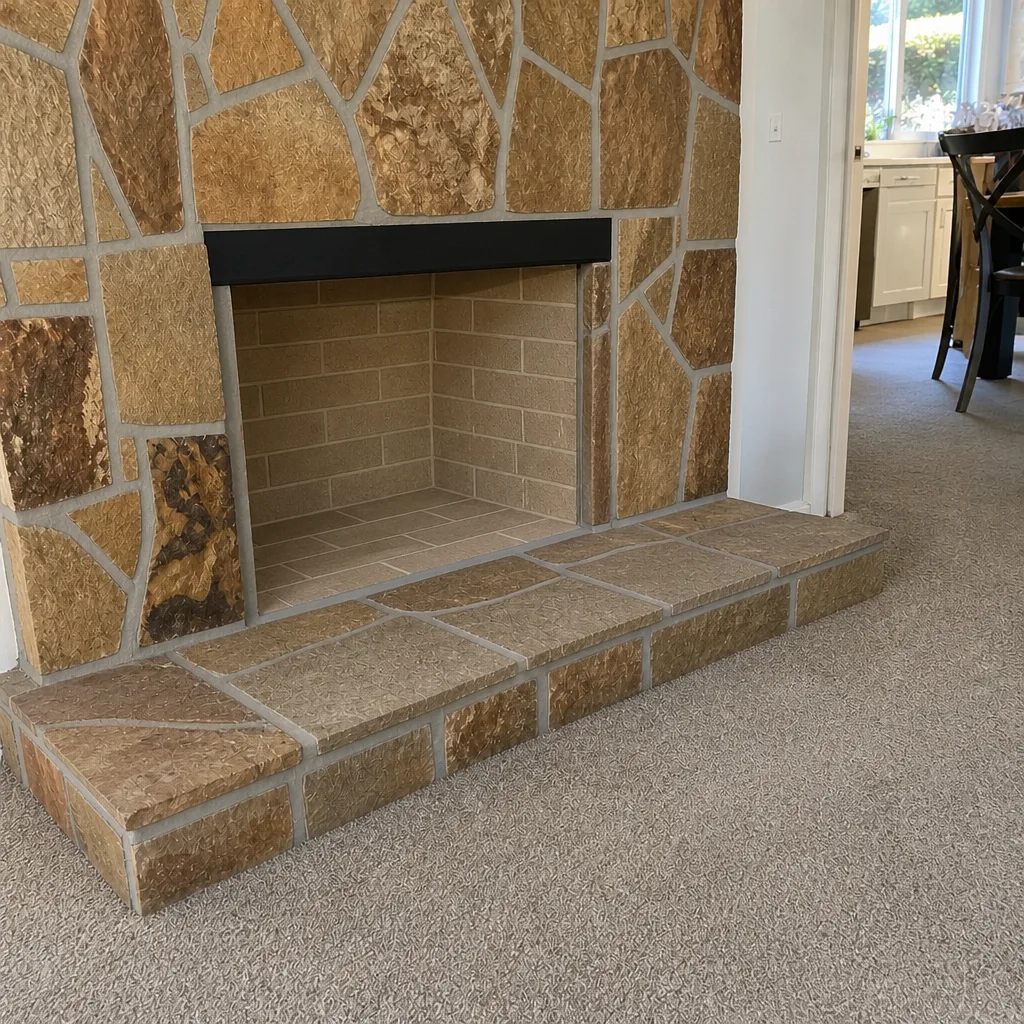
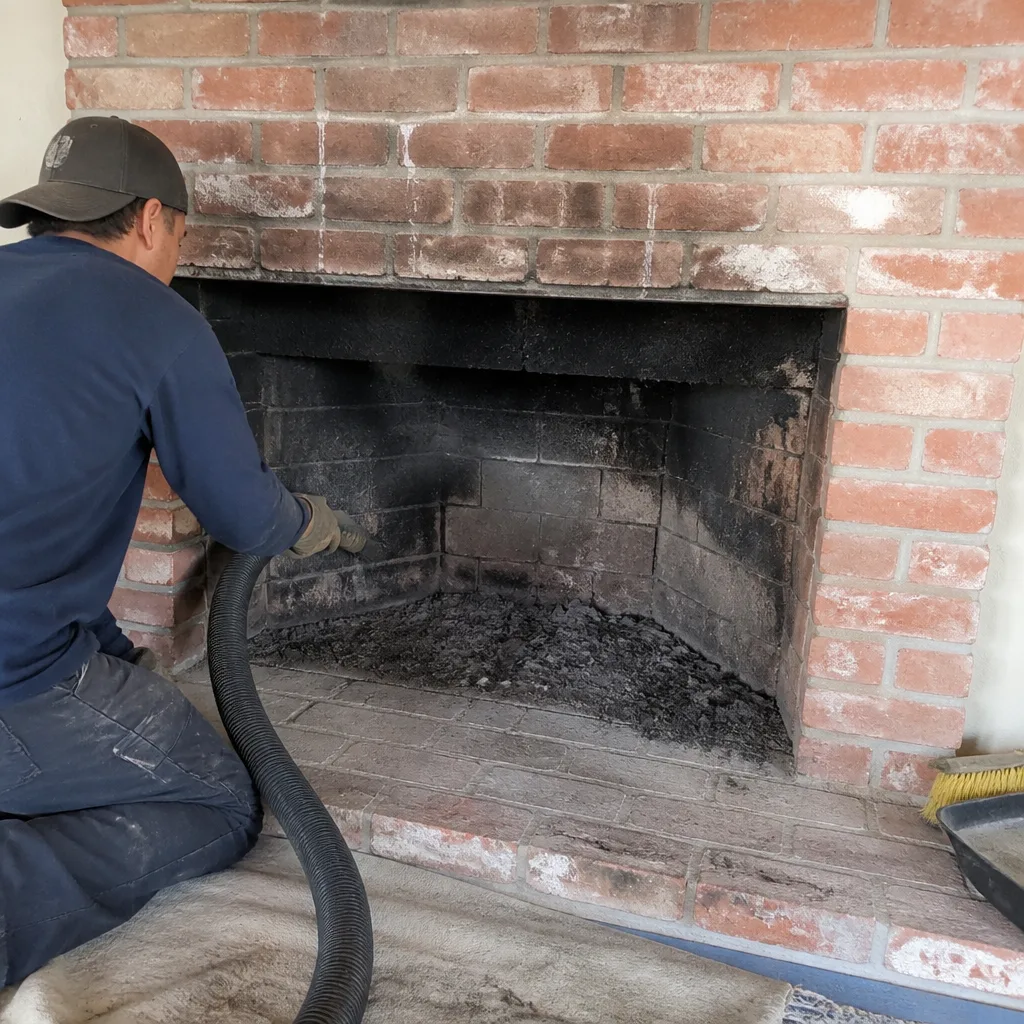
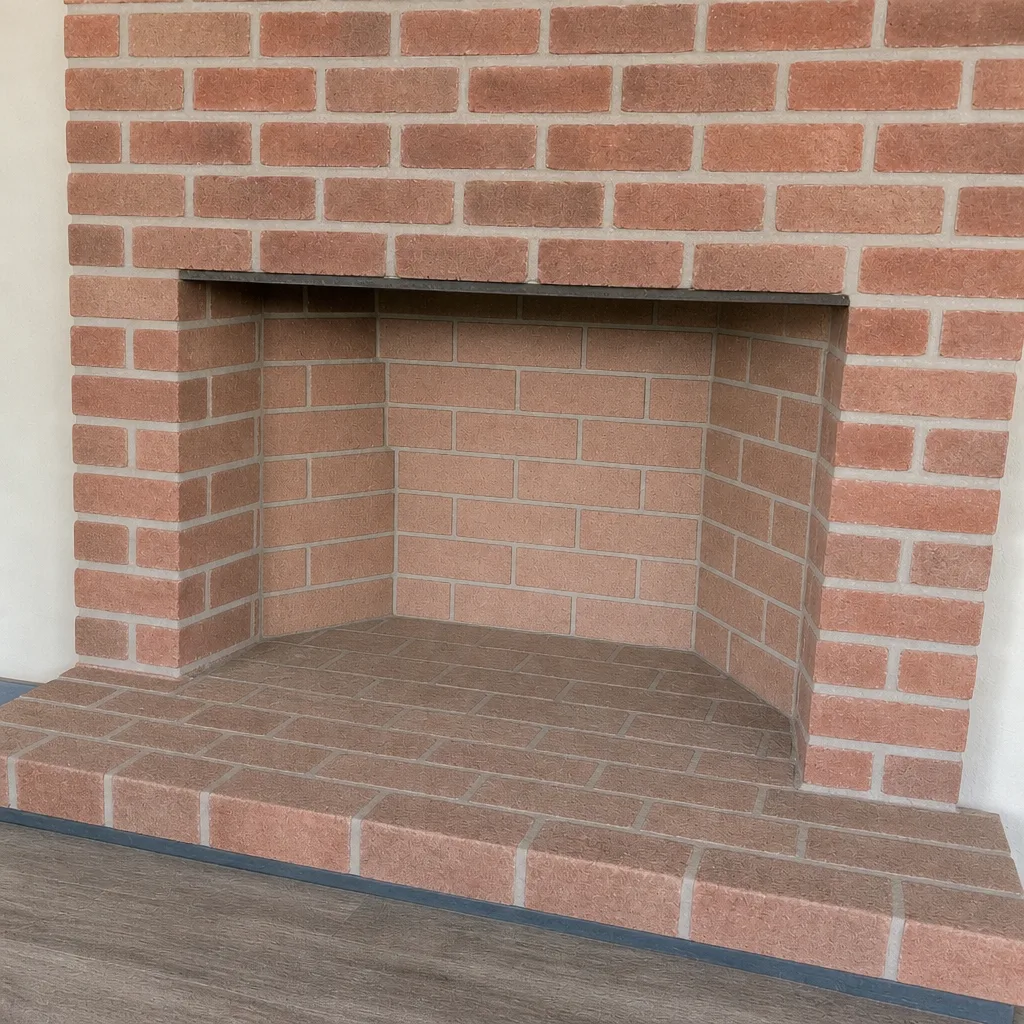
See the difference
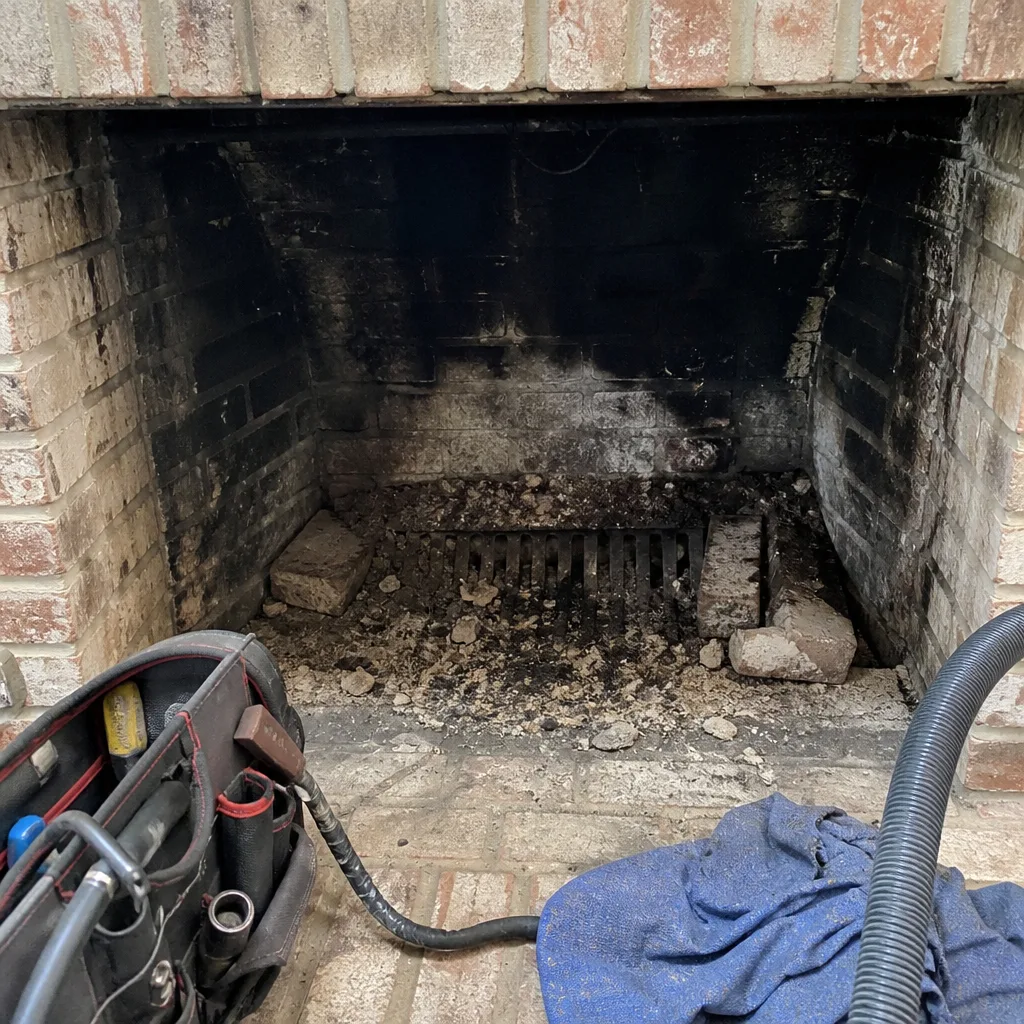 Before
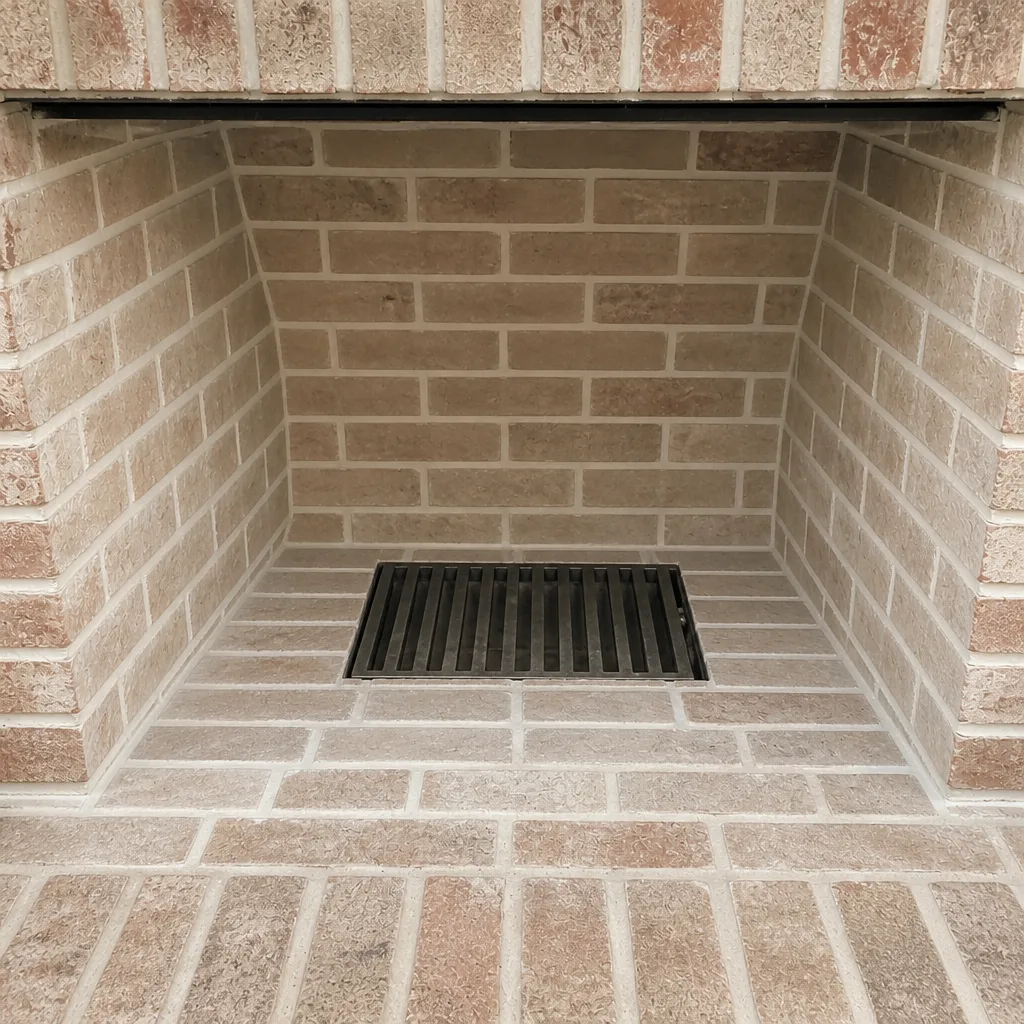 After
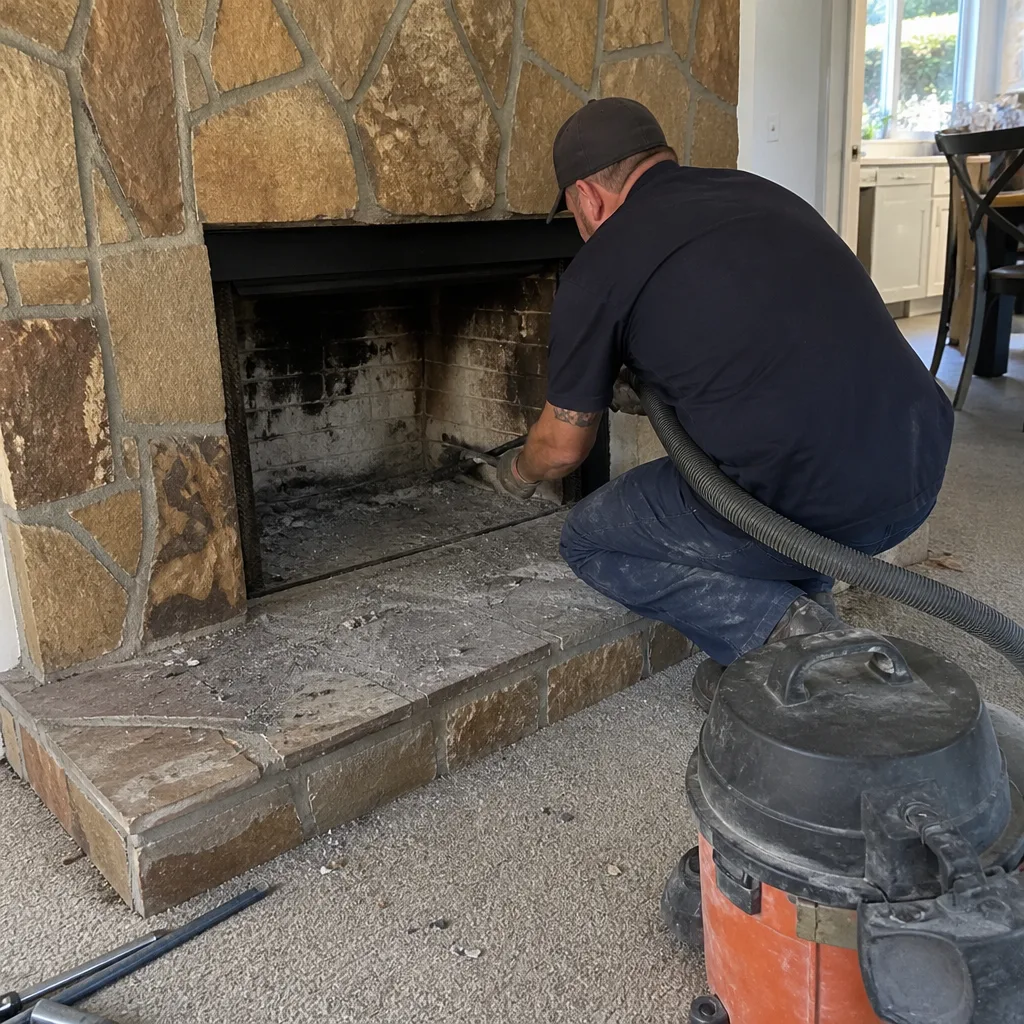 Before
 After
 Before
 After
When to Call a Professional
Some chimney needs are obvious, and some start quietly and only show up on a camera. Call a technician when you can’t see clearly through the flue, when a direct light-shine from the firebox shows anything other than an empty flue, or when the cap, crown, or flashing looks compromised from the ground. Call if the firebox has cracked brick, if the damper sticks, or if it’s been more than a year since anyone professional looked at the system. And call if the first fire of the season sends smoke into the room – a blocked or damaged flue is a carbon monoxide risk, not just an annoyance. If any of this turns up, the chimney system, not just the firebox, is what needs checking.
Laguna Niguel Chimney Sweep Pros offers free estimates in Laguna Niguel – call (855) 594-8044. We answer 24/7. Fast dispatch from 7am to 7pm, Sunday through Friday. We work from the firebox to the cap with named professional materials – DuraFlex, HeatShield, Gelco, Olympia Chimney, Famco, and Copperfield – so your repair uses the same components chimney professionals specify by name.
Frequently Asked Questions
At least once a year if you burn regularly, and a yearly inspection even if you only light a fire a handful of times. Laguna Niguel’s short burn season means creosote builds slowly, but the long idle months let exterior damage develop unseen. Call (855) 594-8044 to book a sweep and inspection – estimates are free.
Look up at the cap from the ground, shine a light up the flue from the firebox, check the firebox for cracked brick, test the damper, and clear last season’s ash. If anything looks wrong, don’t light the fire. A blocked or damaged flue sends smoke and carbon monoxide into the room. If you’re unsure, call (855) 594-8044 for an inspection.
Yes – they’re separate jobs. A sweep clears the flue; an inspection looks at the whole system, including the cap, crown, flashing, and firebox. A genuine inspection stands on its own rather than serving as a reason to upsell. Our inspections are a standalone service.
Creosote keeps building, exterior cracks get a full rainy season to let water in, and a torn screen gives pests a place to nest. None of it is dramatic until it’s expensive. A year of skipped checks usually means a bigger repair next time. Call (855) 594-8044 for an inspection before it grows.
Sometimes, yes. A deteriorating flue interior can be resurfaced with HeatShield as an alternative to a full reline, which often costs less and avoids tearing out a liner that’s still sound. Whether resurfacing is right for your chimney depends on what the camera shows. Call (855) 594-8044 for an assessment – estimates are free.
No. The mild, humid idle season is exactly when the exterior components – cap, crown, flashing, and mortar joints – take the most weathering. Sun and moisture crack and loosen them over the months the fireplace sits idle, and spring is when a close-out check catches it before the fall. Call (855) 594-8044 to schedule one.
The Bottom Line
The chimney maintenance checklist that works in Laguna Niguel isn’t the one built for a hard winter – it’s built around a short, intermittent burn season and ten idle months that do the real wear on the exterior. Run the fall pre-season check, close it out in spring, keep a five-minute eye on the cap, crown, and flashing a few times a year, and know where your own inspection stops and a technician’s camera starts. Log it all. Do those and the five-minute checks keep small problems small. Skip them and the next technician finds the damage a full year after it started. Call (855) 594-8044 for a free estimate – we’ll tell you what your chimney needs, not what costs the most.
Written by the team at Laguna Niguel Chimney Sweep Pros.