
Last updated November 25, 2026
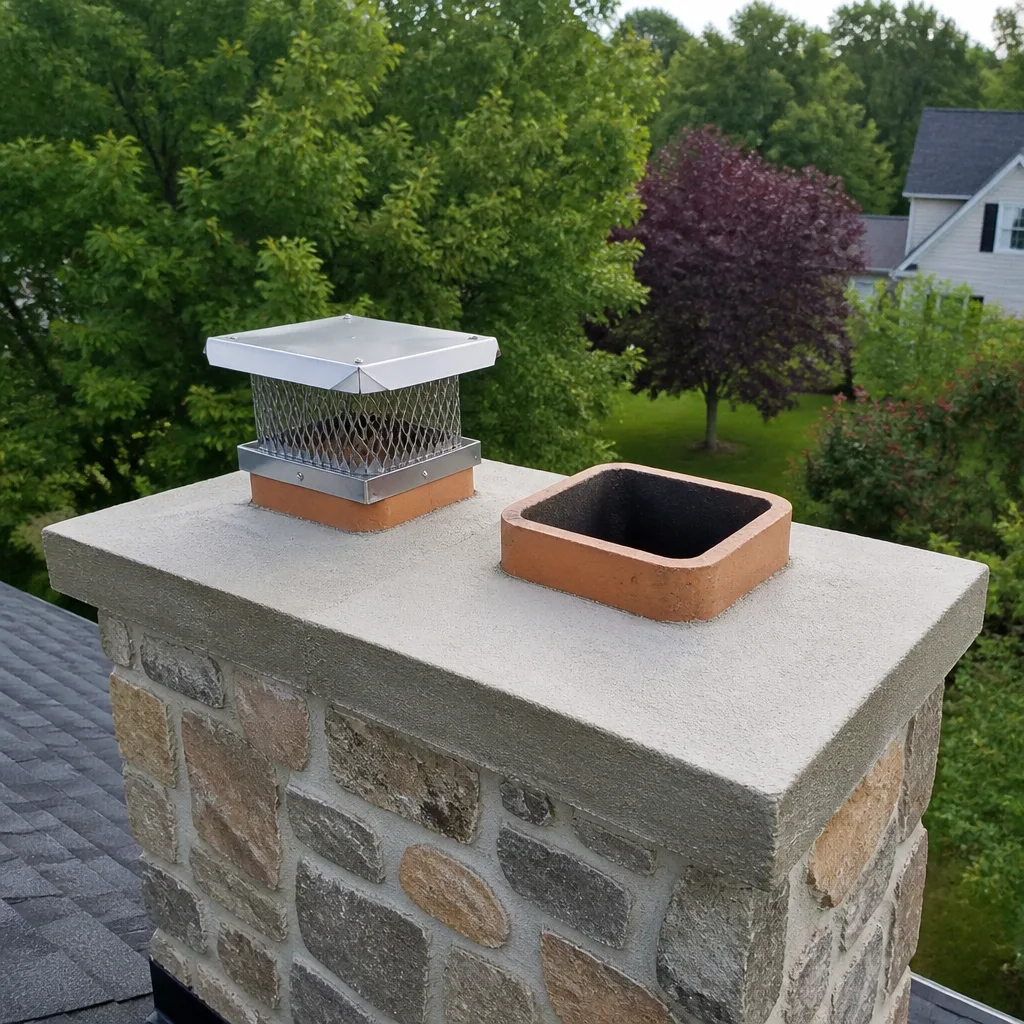 Sweep & inspection
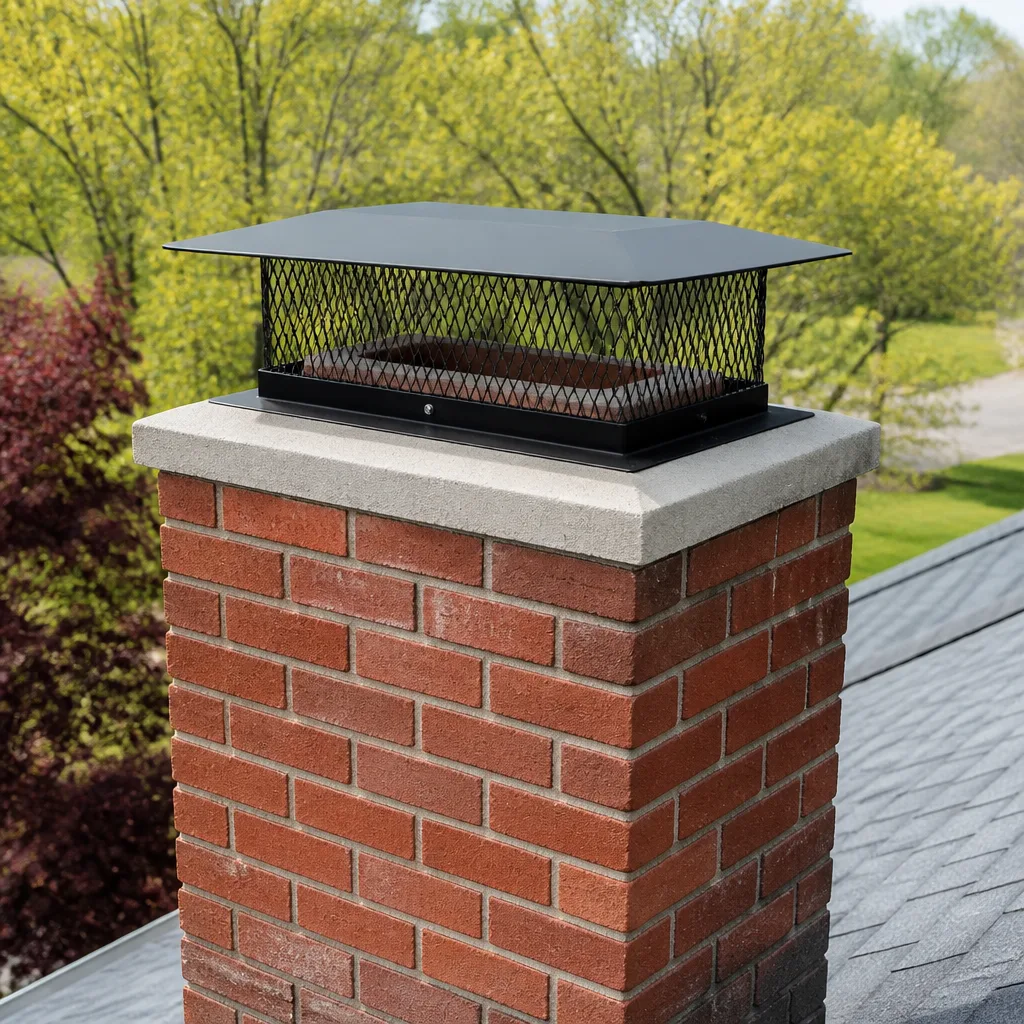 Caps & crowns
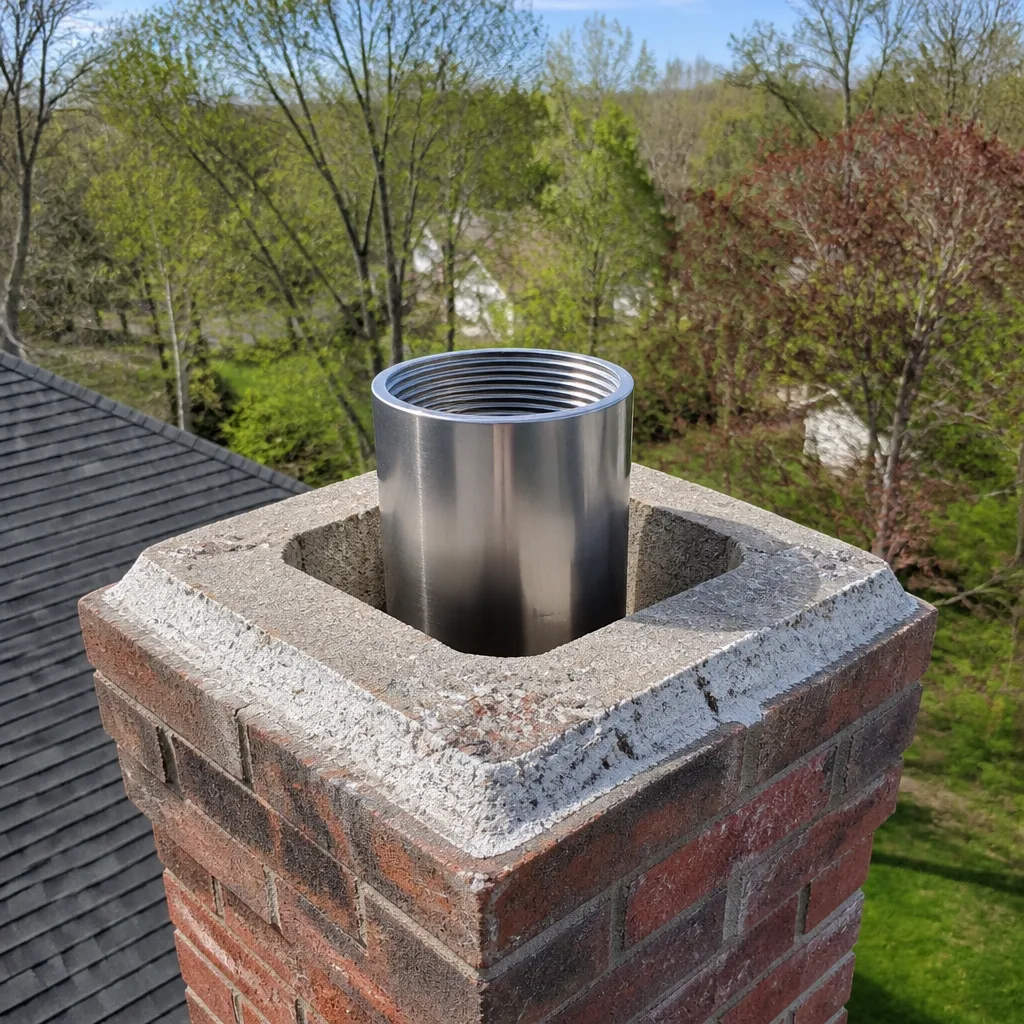 Flue relining
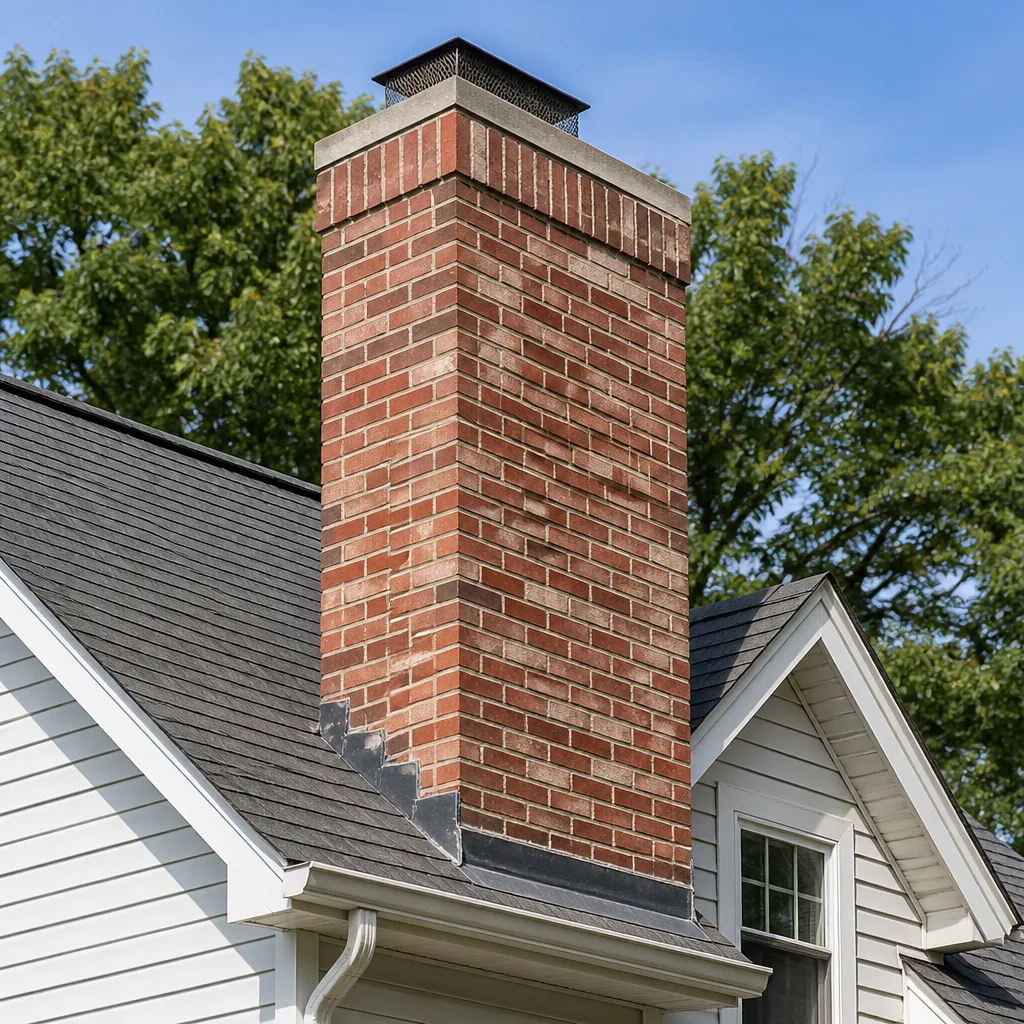 Masonry repair
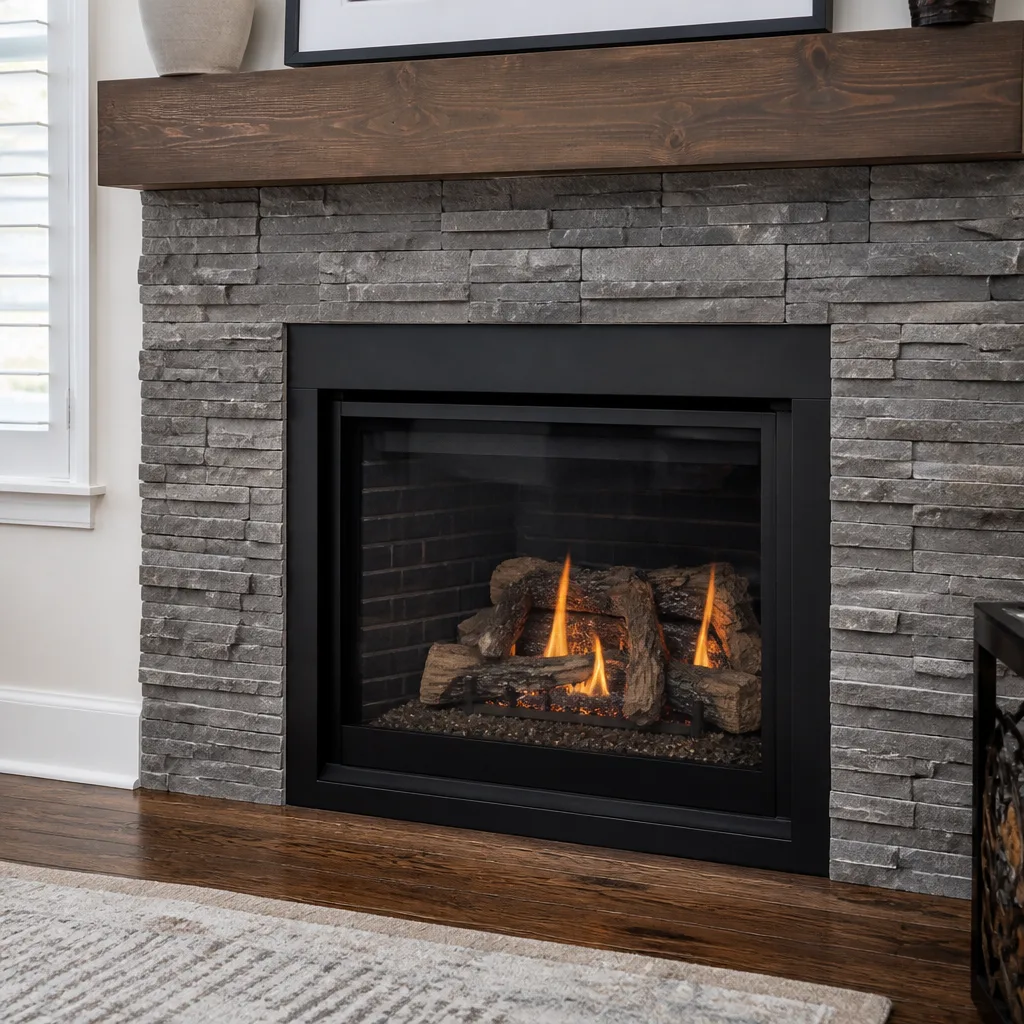 Gas fireplace service
Level 1 sweep and inspection to the NFPA 211 annual standard - flue, crown, cap, and flashing checked and photographed
Chimney sweep logs do not sweep chimneys. They loosen some creosote - which then falls where a brush and vacuum still have to collect it.
Chimney Cleaning Warning Signs: A Laguna Niguel Homeowner’s Reference Guide
If your living room smells like a campfire on a day you haven’t had a fire, that’s not a draft quirk. It’s creosote off-gassing through a gap in your liner or smoke chamber, and it means the system has a structural issue, not just a cleaning need. Most chimney warning signs are visible or smellable from inside the house. Homeowners walk past them every day because nobody ever told them what they were looking at. In this guide we walk through the signals a Laguna Niguel homeowner can read without climbing on the roof: what each smell means, what the firebox is telling you, how smoke behaves when the flue is restricted, and which warnings mean “schedule a sweep soon” versus “stop using the fireplace until this is fixed.”
Quick Answer
The main warning signs that a chimney needs cleaning or inspection are: a strong campfire or tar smell in the room when no fire is burning, smoke spilling into the room instead of going up, a black or glossy glaze inside the flue, crumbling or white-stained firebrick, rust stains on the firebox or damper, and visible cracks in the exterior crown or missing mortar joints. Any one of these is reason to book a chimney sweep and inspection in Laguna Niguel before the next fire. Two or more together, or smoke spilling into the living space, means stop using the fireplace until a technician has looked at it.
Styles & brands we work with
- Sweep & inspection
- Caps & crowns
- Flue relining
- Masonry repair
- Gas fireplace service
Table of Contents
- The Smell Index: What Different Chimney Odors Tell You
- Visual Signals Inside the Firebox
- Smoke Behavior as a Diagnostic Tool
- Exterior Warning Signs You Can Check From Grade
- “Schedule Soon” vs. “Don’t Use the Fireplace Until This Is Fixed”
- What a Proper Sweep and Inspection Actually Involves
- Why Timing Matters in Laguna Niguel
- Common Mistakes to Avoid
The Smell Index: What Different Chimney Odors Tell You
Smell is the most underused diagnostic tool a homeowner has, because it’s the one signal that reaches you without opening a door or climbing a ladder. The catch is that not every chimney smell means the same thing. Four distinct odors point to four distinct problems, and treating them all as “time for a sweep” can miss the one that matters most.
Here’s how to read what you’re smelling:
- Campfire or woodsmoke smell with no fire burning. This is usually creosote off-gassing. Creosote is the tar-like residue left behind when wood smoke cools inside the flue. On a warm day, or when the pressure in the house shifts, that residue releases odor back into the room. If the smell is strong and persistent, it often means there’s a gap or crack somewhere in the liner, smoke chamber, or the seal at the top of the chimney, letting flue gas travel the wrong direction.
- Tar, asphalt, or a sharp chemical smell. That’s concentrated creosote, the kind that has built into a glaze on the flue walls. Glazed creosote is the most flammable stage, and a standard brush sweep won’t always remove it. It needs a technician who can tell you what stage it’s in and what removal method fits.
- Musty, damp, or “old basement” smell. Water intrusion. Rain getting past a missing cap, a cracked crown, or failed mortar joints soaks into the masonry, and the smell comes back into the house. In our experience, this odor is often the first sign a homeowner notices, well before any visible stain shows up on the brick.
- Sharp, acrid, or ammonia-like smell, sometimes with scratching or fluttering sounds. Animal entry. Birds, squirrels, and raccoons find open flues and missing caps, and nesting material in a flue blocks the draft and creates a fire hazard. This one needs removal, not just a sweep.
- Exhaust or combustion smell that lingers after a fire. This can mean the flue isn’t drafting properly and combustion byproducts are backing into the room. Carbon monoxide is odorless, so don’t rely on smell as your only check here. If anyone in the house feels headachy or drowsy when the fireplace runs, stop using it until a technician inspects the system.
In our experience, the most common call we get from a Laguna Niguel homeowner is about the campfire smell that appears weeks after the last fire of the season. It’s rarely just a cleaning issue. It’s usually telling us there’s a breach we’ll find with a camera.
Visual Signals Inside the Firebox
You don’t need a flashlight and a ladder to read the firebox. Stand in front of the fireplace with the damper open and look at five things: the firebrick, the mortar between the bricks, the damper itself, the smoke chamber above it, and the metal firebox, if you have one. Each surface tells you something different.
Spalling firebrick
Spalling means the face of the brick is flaking, popping, or crumbling away. It’s caused by moisture getting into the brick and expanding when heated, or by repeated over-firing. Spalled firebrick loses its ability to shield the structure behind it. If the brick face is gone and the inner material is exposed, the firebox needs repair before you burn again.
Efflorescence (white staining on brick or mortar)
Efflorescence is the powdery white deposit left behind when water moves through masonry and evaporates at the surface, carrying salts with it. It’s not the salts themselves that matter; it’s what they tell you. Water is getting in somewhere. On a fireplace surround, that’s usually a failed crown, a missing cap, or mortar joints that have opened up. The white stain is a symptom, not the problem.
Rust staining on the damper or firebox
Rust on steel components means moisture has been sitting in the system, usually from the same water-intrusion path that causes efflorescence. A rusted damper can seize open or closed, and a seized-closed damper blocks the flue entirely. This is a common reason a homeowner calls us after the first fire of the season won’t draw.
Cracks in the smoke chamber
The smoke chamber is the sloped area between the top of the firebox and the base of the flue. It’s usually parged with mortar, and over time that parge coat can crack or spall. Cracks here are one of the biggest hidden causes of that campfire smell we mentioned earlier: smoke drifts into the smoke chamber and seeps through the cracks instead of going up the flue. This is one of the areas where HeatShield resurfacing can rebuild the smoke chamber surface without removing the whole liner.
Black glaze or heavy soot on the firebox walls
A thin black coating is normal. A thick, glossy, tar-like glaze is not. That’s stage-three creosote, and it’s the kind that catches fire. If you can see a shiny black surface on the firebox walls or the lower flue, book an inspection before you burn again. Our chimney sweep service includes a camera inspection so you can see what we’re seeing.
Smoke Behavior as a Diagnostic Tool
How smoke moves tells you whether the problem is in the flue, in the house pressure, or in how you’re building the fire. Watch it for the first two or three minutes after you light. Three patterns cover almost every case.
Backdrafting (smoke rolls out of the firebox into the room)
Backdrafting happens when the pressure inside the house is lower than the pressure at the top of the chimney, so the chimney pulls air down instead of pushing smoke up. Common causes: a bath fan or kitchen hood running when you light the fire, a tightly sealed house, or a chimney that’s too short for the roof it’s on. If the smoke rolls out and then draws once the fire gets hot, it’s usually a pressure or warm-up issue. If it rolls out the entire time the fire is burning, that’s a flue problem, not a pressure problem.
Slow draw (smoke lingers, drafts weakly, or hangs in the firebox)
A slow draw usually means the flue is partially restricted. Common culprits are a creosote buildup, a bird’s nest, a collapsed liner section, or a chimney that’s the wrong size for the appliance. A wood-burning insert or a fireplace converted from open hearth to glass doors can also cause a slow draw if the flue wasn’t properly sized for it. Slow draw is one of the more common reasons homeowners call us for a chimney repair after trying everything at the firebox and getting nowhere.
Lateral smoke spread (smoke drifts sideways across the ceiling)
Smoke spreading sideways instead of going up is a sign the smoke chamber is failing. When the parge coat cracks or the smoke shelf is damaged, smoke eddies in the chamber and finds the path of least resistance, which can be back into the room. This is the pattern that smells like a campfire in the living room an hour after the fire’s out.
If you’re seeing any of the three patterns above, here’s what to check first, in order:
- Turn off exhaust fans and open a window a crack near the fireplace before you light.
- Preheat the flue with a rolled newspaper torch held near the damper for 30 seconds.
- Confirm the damper is fully open (a rusted or partly-seized damper is a common cause of a slow draw).
- If the smoke still rolls into the room after these steps, stop using the fireplace and book an inspection.
Exterior Warning Signs You Can Check From Grade
You don’t need to get on the roof to catch the biggest structural warning signs. Stand at the base of the chimney with a pair of binoculars and look at four specific things. All four are visible from the ground, and all four cause problems that get expensive fast if they’re ignored.
The chimney cap
The cap is the metal or masonry cover over the top of the flue. It keeps rain, animals, and debris out. A missing cap or a rusted-through cap is the single biggest entry point for water intrusion in a masonry chimney. Look for: a cap that’s gone entirely, a cap that’s tilted or loose, or a cap that’s rusted at the corners. We install caps using Gelco and Famco components sourced from the manufacturer, not field-fabricated workarounds, because a cap that doesn’t fit right is a cap that fails early.
The crown
The crown is the sloped concrete or mortar surface at the very top of the chimney. Its job is to shed water away from the flue and the brick below. Crown cracks are common because the crown takes the most sun and thermal cycling of any part of the chimney. A hairline crack is a watch item. A crack that runs from the flue to the edge of the crown, or a crown that’s pulling away from the brick, is a repair item. In our experience, a failing crown is the leading cause of the water-intrusion damage we find on Laguna Niguel chimneys, and it’s the one homeowners most often never look at.
Mortar joints
Look at the horizontal joints between the bricks on the chimney chase. Are the joints full and tight, or are they recessed, crumbling, or missing altogether? Missing mortar lets water into the wall behind the brick. Once water is behind the brick and can’t dry out, you get spalling brick faces and failed mortar on the inside as well. Repointing the joints is a straightforward fix. Rebuilding a chimney chase that’s failed is not.
Stained or effloresced brick
White, chalky staining or dark water streaks on the exterior brick are the outside view of the same water intrusions we described in the firebox section. If the brick is stained on the outside and the firebox shows rust or efflorescence on the inside, the water path is confirmed and the repair should address both.
If you want the whole system from the firebox to the crown checked at once, our Laguna Niguel chimney sweep pros handle inspections as a standalone service, not as a pretext to sell you a sweep.
“Schedule Soon” vs. “Don’t Use the Fireplace Until This Is Fixed”
The most useful thing a homeowner can learn from this guide is which warning signs are safe to sit on and which aren’t. Here’s the honest breakdown, in plain language, without the alarm bells.
Schedule soon (before the next fire, but not an emergency)
- You smell a campfire in the living room only on warm days or when the house pressure shifts.
- You see light soot on the firebox walls, but no visible glaze.
- Your chimney hasn’t been swept in over a year of regular burning.
- You see hairline cracks in the crown or minor efflorescence on exterior brick.
- You hear birds or scratching in the flue during the day (but the damper is closed).
None of these are five-alarm problems. They are reasons to book a sweep and inspection in Laguna Niguel in the next couple of weeks, before the next fire. Our fireplace repair service handles the firebox, damper, and smoke chamber issues that show up alongside the cleaning.
Don’t use the fireplace until this is fixed (hard stop)
- Smoke rolls into the room and stays there after the fire is drawing.
- The flue has visible shiny black glaze (stage-three creosote).
- The damper is seized and won’t fully open.
- The firebox has spalled brick with the inner material exposed.
- You smell exhaust or combustion gas in the room after the fire is out, or anyone in the house feels headachy or drowsy when the fireplace runs.
- You see a cracked or collapsed flue liner section.
- A bird or animal has gotten inside the flue and is still there.
These are the signs that mean “stop burning and have it inspected.” If you’re in category two and unsure, the safe move is to call us, describe what you’re seeing and smelling, and let a technician tell you whether it’s safe to run another fire. Call (855) 594-8044. We answer 24/7. Fast dispatch from 7am to 7pm, Sunday through Friday.
One thing worth saying clearly: none of the “hard stop” signs on this list mean you need to fear your house. They mean the chimney is doing its job of telling you something’s wrong. The reason to act is that a chimney fire and carbon monoxide risk are both real consequences of an unnoticed problem, and both are far easier to prevent than to deal with. That’s a safety argument, not an upsell.
What a Proper Sweep and Inspection Actually Involves
A proper sweep is more than running a brush down the flue. What a qualified chimney specialist does on a first visit is a full look at the system, and the sweep is one part of it. Here’s what should happen, in order.
- Walk the firebox first. The technician looks at the firebrick, the damper, the smoke chamber, and the metal firebox if there is one. Anything visible from inside the house gets recorded.
- Run the camera. A video camera goes up the flue so the technician can see the liner, the joints, any offset or bend in the flue, and any creosote glaze. Camera evidence is what separates “you need a new liner” from “you need a sweep.” You should be able to see the same footage.
- Sweep the flue. The brush and the method are chosen based on what the camera found. Standard flues get a standard sweep. Glazed creosote needs a different approach.
- Clean the smoke chamber and shelf. This is where most of the “campfire smell” problems live, and it’s the step a generalist often skips.
- Check the exterior from the roof or from grade. Cap, crown, mortar joints, and flashing all get looked at.
- Give you a written report and photos. A good inspection ends with a document that shows you what the technician saw, what needs to happen, and what can safely wait.
The difference between a full-service chimney specialist and a generalist is right here: the person sweeping the flue is the same person who can repair the smoke chamber, replace the crown, or install a new liner. There’s no handoff. The company that sweeps your chimney should be the company that repairs it, if repair is needed. That’s how chimney repair stays accountable.
We use materials sourced from the industry’s leading suppliers, including HeatShield, Gelco, Olympia Chimney, and Famco, so the repair you get is the same repair chimney professionals specify by name. And we’ll tell you what it needs, not what costs the most. If the camera shows the liner is fine and it just needs a sweep, that’s what we’ll tell you.
Why Timing Matters in Laguna Niguel
Laguna Niguel is not a cold-climate market. Most homes here burn fires in the evenings during a short cool season, and many fireplaces sit unused for months. That creates its own pattern of chimney problems, and it’s a different pattern than you’d see in a mountain town.
A few things we’ve observed about how chimney issues develop in this area:
- The off-season matters more here than the burn season. Because the fireplace sits dormant for long stretches, water intrusion and animal entry have all the time they need to develop. A missing cap in October means months of rain getting into the flue before the homeowner lights a fire again.
- The evening burns produce creosote without the slow-draw symptoms of a colder climate. Cool, damp evening air and short, low-temperature fires leave more creosote per cord than long hot burns. A homeowner who burns “a couple of logs for ambiance” once a week can still build up meaningful creosote across a season.
- The first fire after the break is the diagnostic moment. That first fire in the fall will reveal everything: the campfire smell, the slow draw, the smoke that rolls instead of rising. Pay attention to it. It’s the most honest reading the chimney gives you all year.
- Booking early beats booking late. In our experience, the first cool snap produces a wave of calls. Book a sweep before the season starts and you get the appointment you want instead of the one that’s left.
Scheduling is booked around your time, not the other way around. If you want the whole system inspected before the first fire of the season, that’s the right reason to call. Call (855) 594-8044. We answer 24/7. Fast dispatch from 7am to 7pm, Sunday through Friday, and we’re closed Saturdays.
Common Mistakes to Avoid
- Treating every campfire smell as “time for a sweep.” Sometimes it is, and sometimes it’s a cracked smoke chamber that a sweep won’t fix. Insist on a camera inspection so you know which problem you actually have.
- Ignoring efflorescence because it looks cosmetic. White staining on brick is the visible tip of a water path, and if you fix the stain without fixing the water source, it comes back within a season. Address the crown, cap, or mortar joints first.
- Letting a generalist handyman touch the smoke chamber or crown. Those two components are the most common causes of the chimney issues we get called about, and they need a specialist with the right materials. A field-fabricated crown or a mortar patch over a cracked parge coat fails early and costs more to redo.
- Assuming a newer-looking chimney is a safe chimney. Crown cracks and glazed creosote develop on chimneys of every age. The only way to know is to look, and the cheapest look is a camera inspection before the first fire.
- Using the fireplace once more “to see if it’s still a problem.” If you’re already seeing one of the hard-stop signs, one more burn can confirm the problem in the worst possible way. Trust the warning and get it checked.
- Burning soft or unseasoned wood to “clean out” light creosote. It doesn’t work. Wet or resinous wood produces more creosote, not less. Burn dry, seasoned hardwood and let a sweep do the cleaning.
- Putting off the cap because the house “hasn’t had a problem yet.” The cap is cheap relative to the repair it prevents, and it’s the single most common cause of the water-intrusion damage we see on Laguna Niguel chimneys.
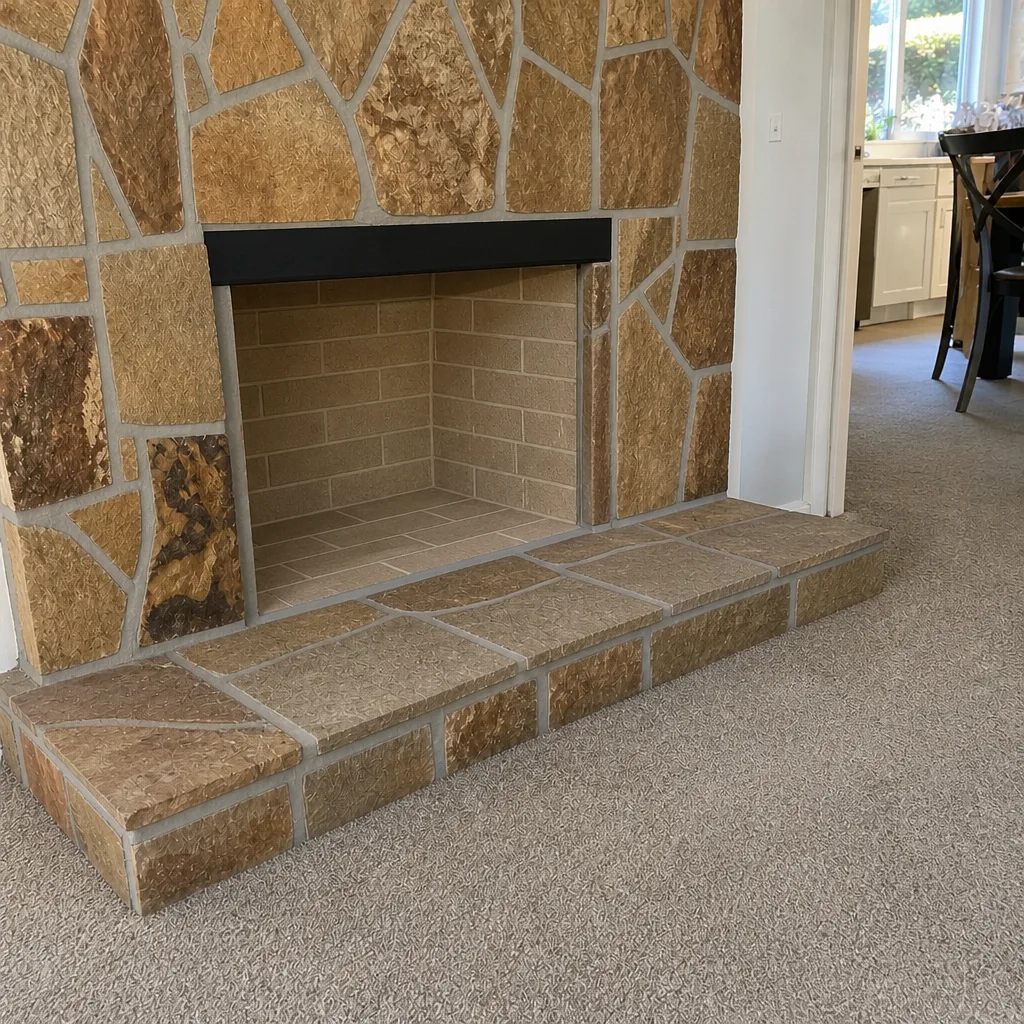
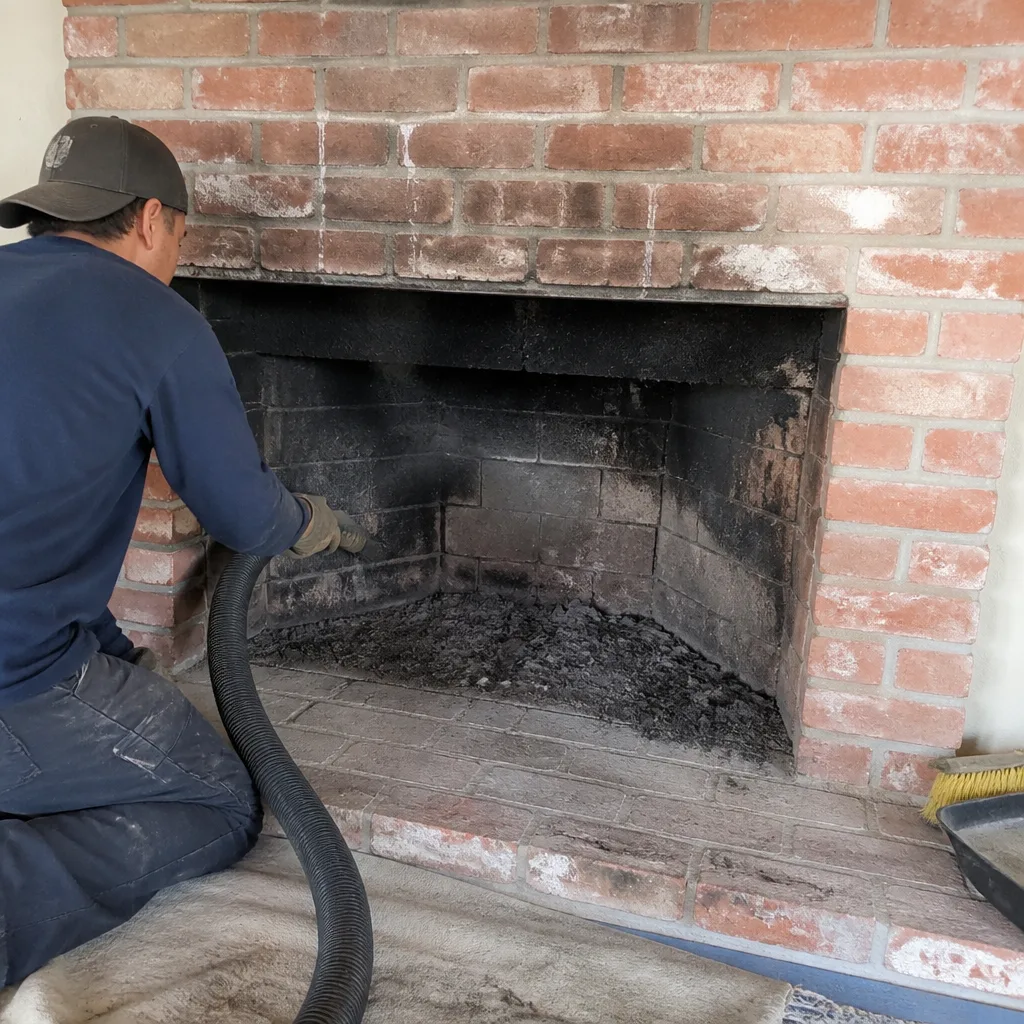
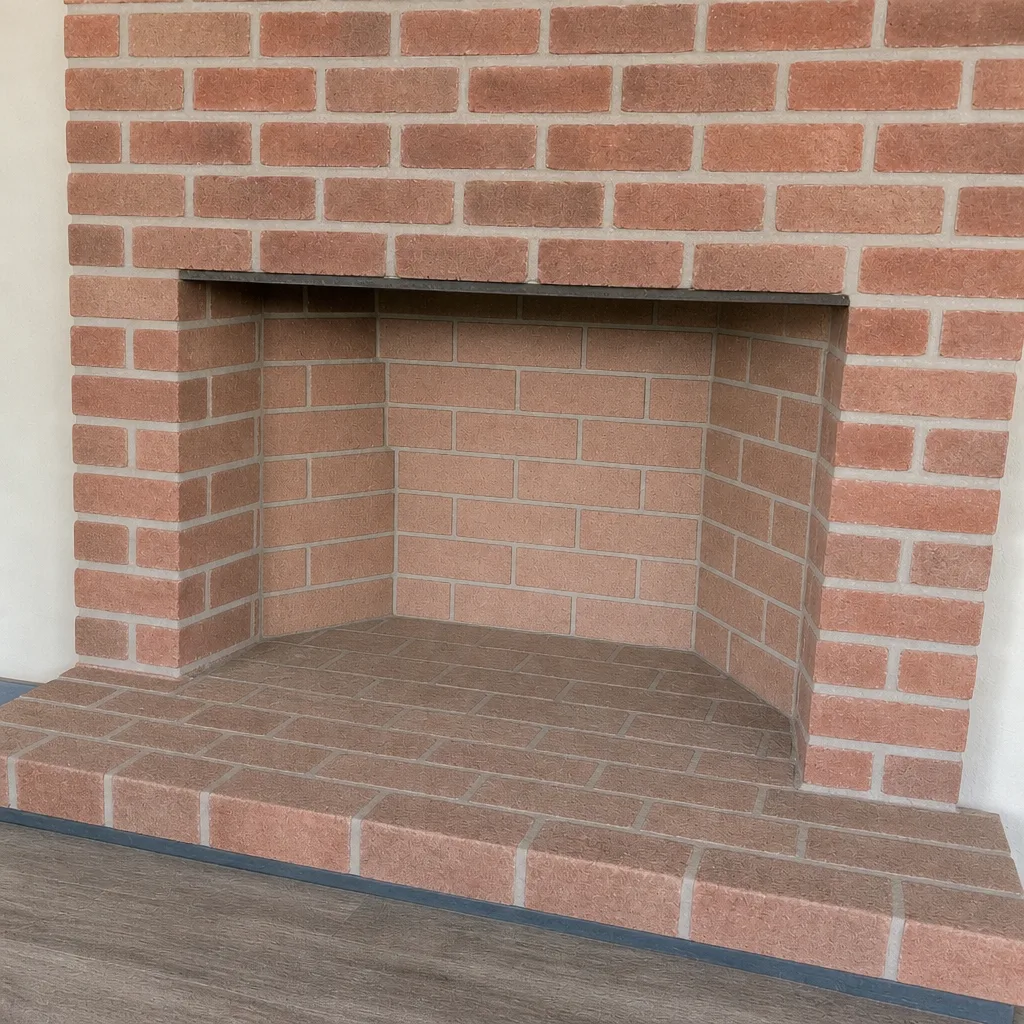
See the difference
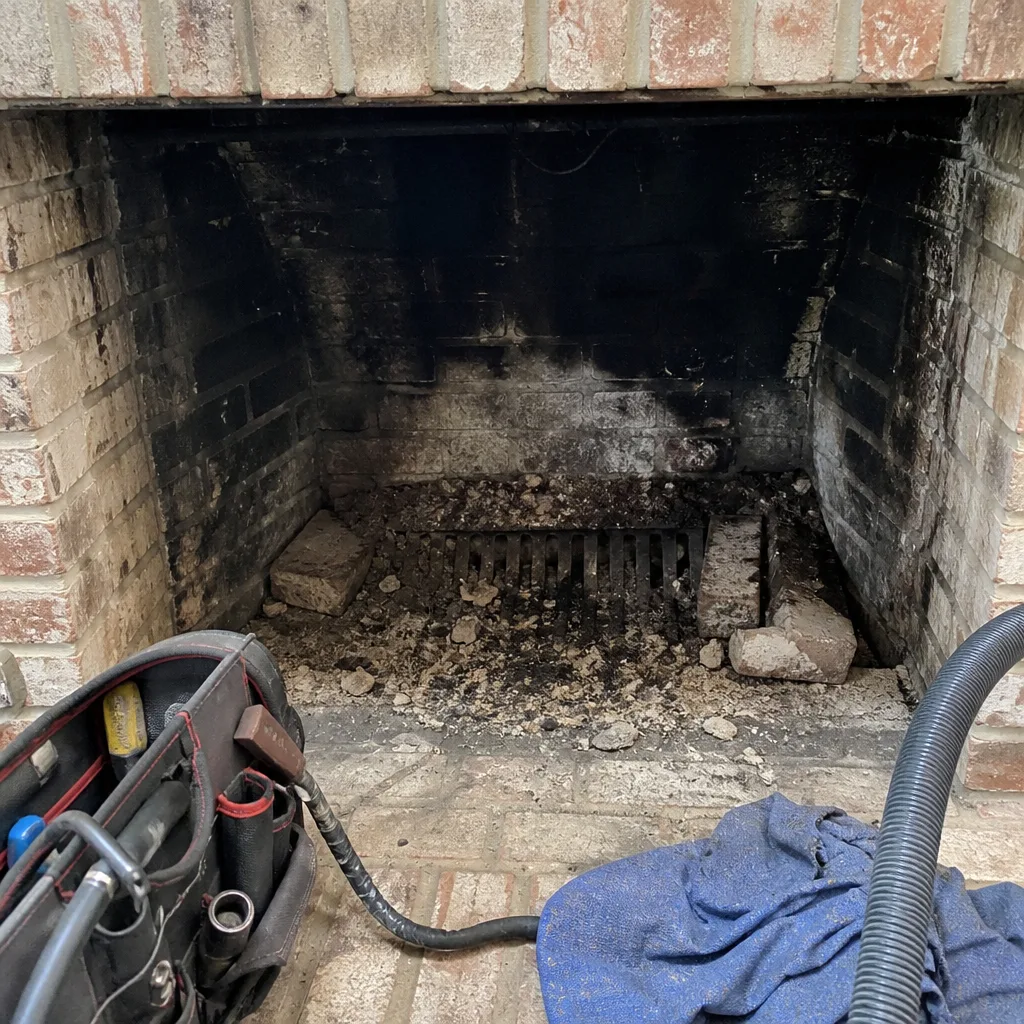 Before
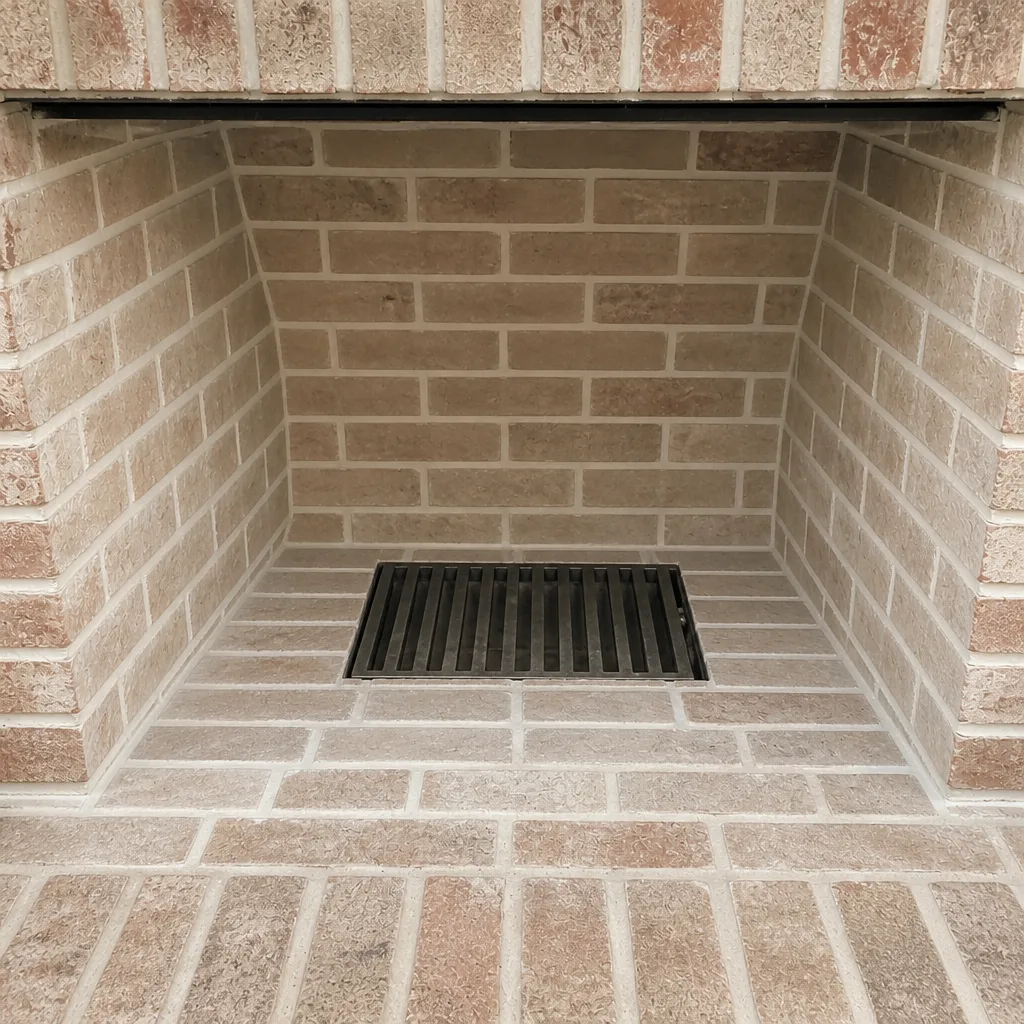 After
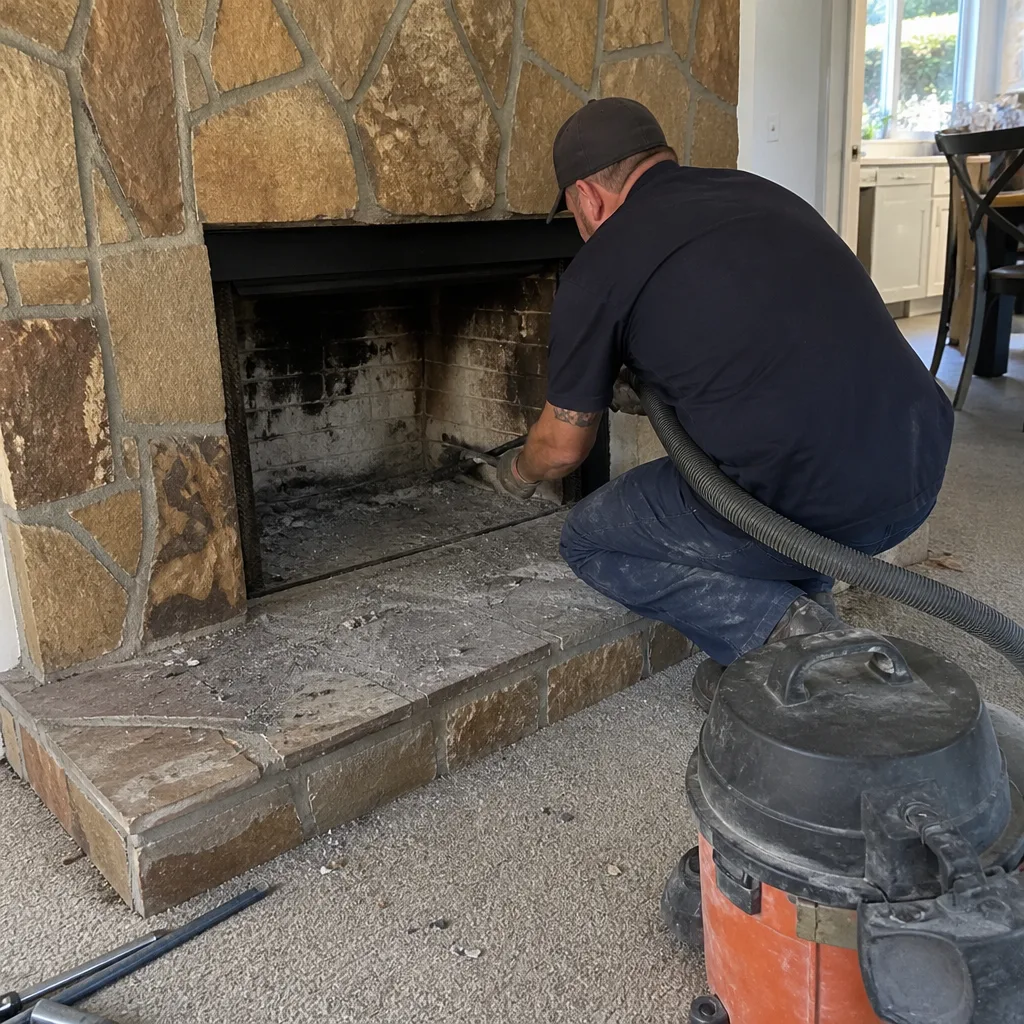 Before
 After
 Before
 After
When to Call a Professional
Call a chimney specialist if any of these are true: you’ve burned more than a season without a sweep, you smell a campfire in the room when the fireplace is off, smoke rolls into the room instead of going up, you see glazed creosote, spalled firebrick, rust on the damper, or a white stain on the brick, or a bird or animal has gotten into the flue. If any of those come with a headache, drowsiness, or a combustion smell after the fire is out, stop using the fireplace and call the same day. Laguna Niguel Chimney Sweep Pros offers free estimates in Laguna Niguel. Call (855) 594-8044. We answer 24/7. Fast dispatch from 7am to 7pm, Sunday through Friday.
Frequently Asked Questions
Once a year is the standard recommendation for a chimney used through the season, and that applies here even though the burn season is short. Short, cool evening fires produce more creosote per cord than long hot burns, so a once-a-year sweep and inspection is the right baseline. Call (855) 594-8044 for an exact quote. Estimates are free.
It usually means creosote is off-gassing through a gap somewhere in the liner or smoke chamber. The most common source is a cracked parge coat in the smoke chamber, which lets flue odor travel into the room. That’s a structural issue, not just a cleaning issue, and it needs a camera inspection to locate. Call (855) 594-8044 to book a look.
Yes. White staining (efflorescence) means water is moving through the masonry and evaporating at the surface. The stain itself is harmless, but the water path behind it is not, because it leads to spalled brick and failed mortar. The fix is at the top of the chimney (cap, crown, or joints), not at the stain. Call (855) 594-8044 for a free estimate.
Sweep pricing depends on the flue’s length, the type and amount of creosote, and whether the visit includes an inspection or a repair. The written estimate you get before the work is booked sets the final price. Call (855) 594-8044 for an exact quote. Estimates are free.
Most of the time, no, you don’t need a new liner, and you should be shown camera evidence before anyone recommends one. That’s why an inspection is a standalone service here: if the footage shows the liner is sound, the report says so. When the liner actually has failed sections or can’t take a proper repair, we’ll show you why on camera. Call (855) 594-8044 for a free estimate.
Creosote builds up inside the flue and eventually reaches the glazed stage, which is flammable. At that point, embers from an ordinary fire can ignite the buildup. The danger is a chimney fire, and it’s preventable with a sweep and inspection. Book a sweep before the next fire. Call (855) 594-8044.
Yes. Sweeping a flue with an offset or bend takes the right equipment and method, but it’s a routine job for a chimney specialist. If the flue ever needs a new liner, a flexible system like Olympia Chimney can navigate the bend where a rigid liner can’t, so the offset doesn’t box you out of a proper repair. Call (855) 594-8044 to have yours looked at.
The Bottom Line
Most chimney warning signs are already visible or smellable from inside the house, and the reason a homeowner misses them is that nobody has told them what to look for. Smell is your first diagnostic tool: campfire, tar, musty, and acrid smells point to four different problems. The firebox tells you about spalling brick, efflorescence, and damper rust. Smoke behavior tells you about restriction and pressure. The exterior cap, crown, and mortar joints tell you about water intrusion before it shows up inside. Learn to read these five categories and you’ll catch most chimney problems before they get expensive. And when you’re not sure, the answer is to book a sweep and an inspection. Laguna Niguel Chimney Sweep Pros does full-service chimney work. Call (855) 594-8044 for a free estimate. We answer 24/7. Fast dispatch from 7am to 7pm, Sunday through Friday.
Written by the team at Laguna Niguel Chimney Sweep Pros.