
Last updated November 25, 2026
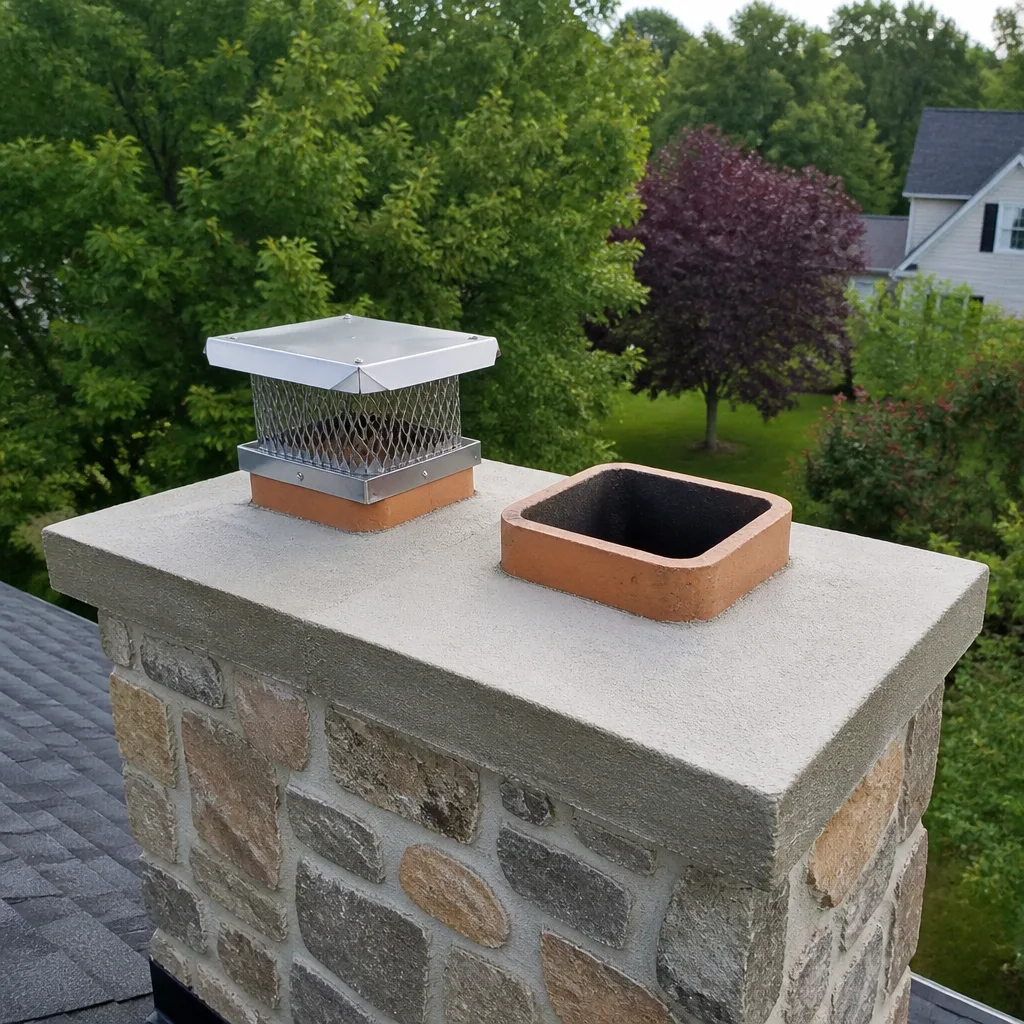 Sweep & inspection
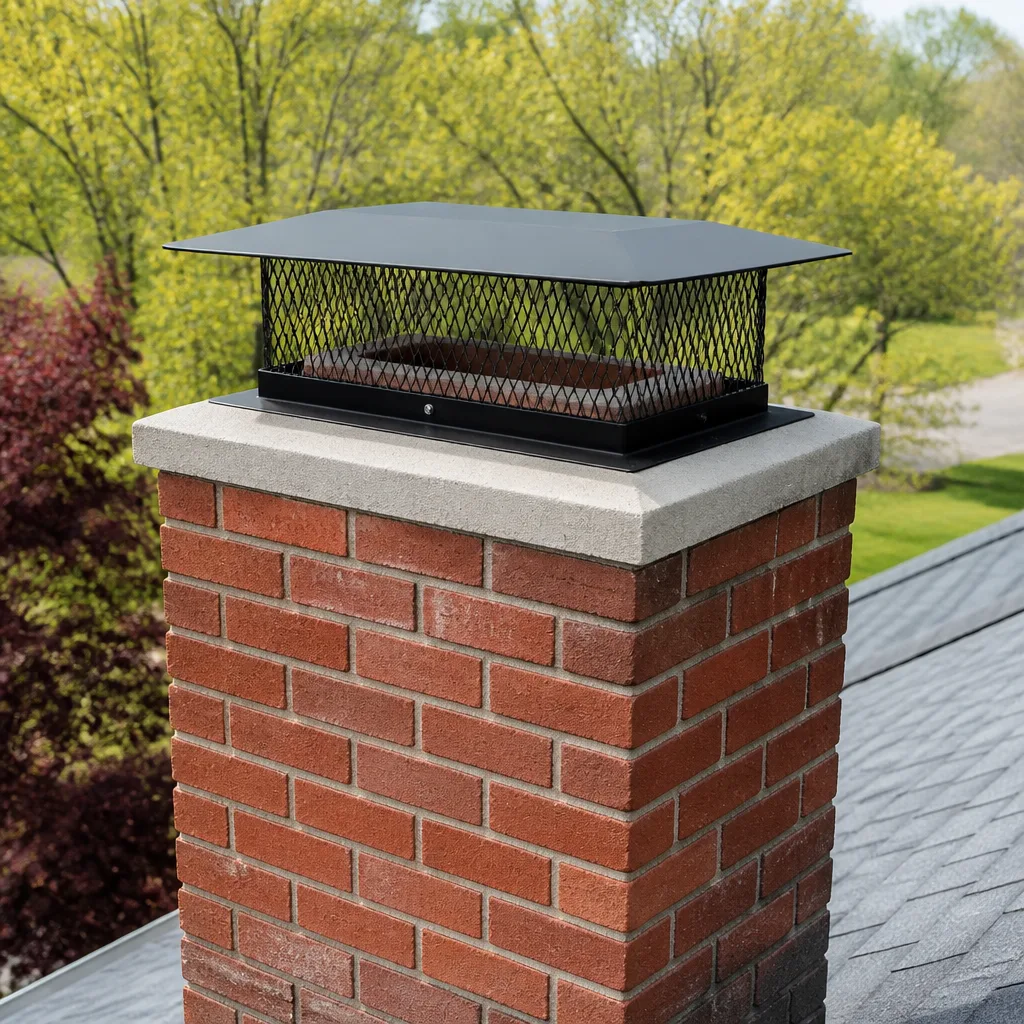 Caps & crowns
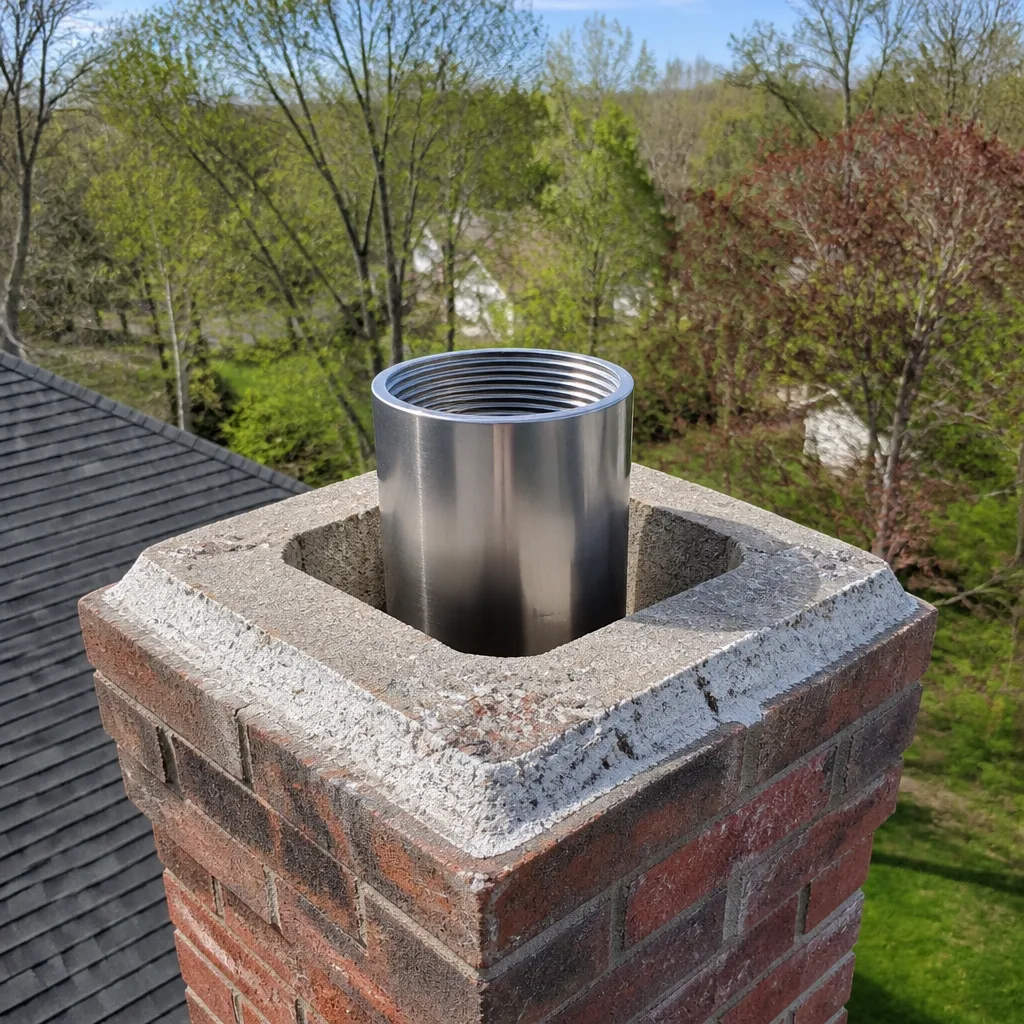 Flue relining
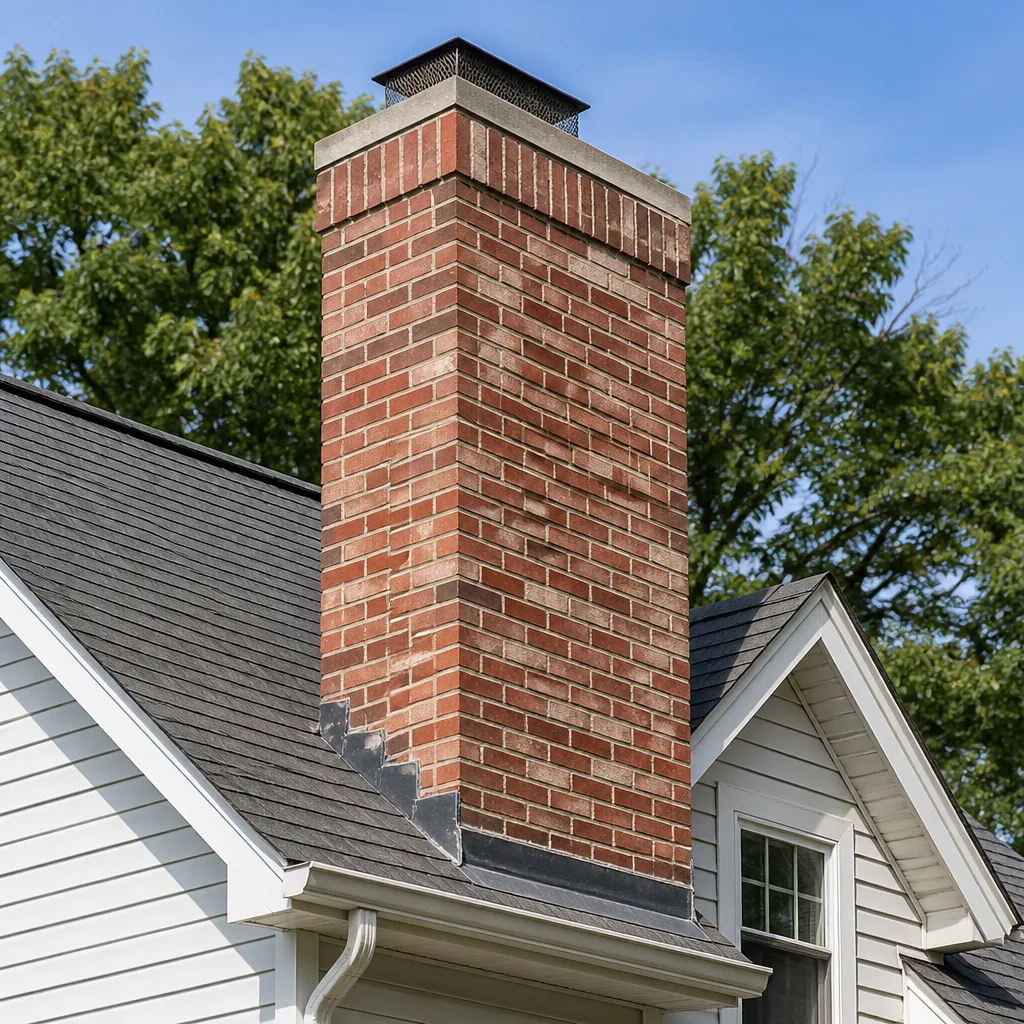 Masonry repair
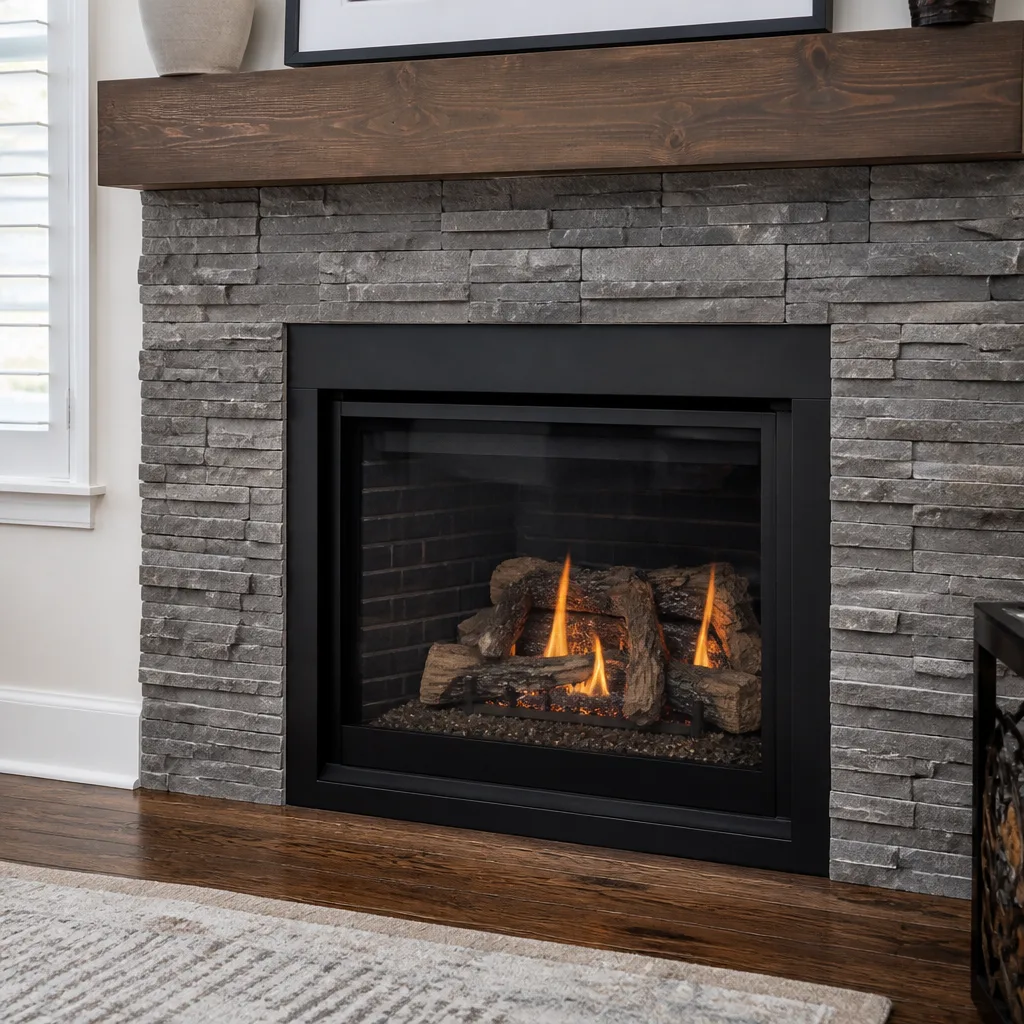 Gas fireplace service
Level 1 sweep and inspection to the NFPA 211 annual standard - flue, crown, cap, and flashing checked and photographed
Chimney sweep logs do not sweep chimneys. They loosen some creosote - which then falls where a brush and vacuum still have to collect it.
DIY vs Professional Chimney Cleaning: The Laguna Niguel Homeowner’s Decision Guide
A chimney brush kit from a hardware store will remove loose soot. It won’t tell you that your tile liner has a hairline crack at the smoke chamber joint, which is the thing that actually determines whether your fireplace is safe to use. That gap between cleaning and inspecting is where most of the DIY-versus-professional debate gets lost. This guide is written to close that gap for Laguna Niguel homeowners. We’ll cover what a brush pass actually removes, what creosote stages mean for your flue, what tools reveal what a flashlight doesn’t, and what the real cost comparison looks like in the local market. By the end, you’ll know which jobs you can reasonably handle and which ones need a trained eye.
Quick Answer
DIY chimney cleaning is a reasonable interim step only when your flue already had a recent professional sweep, your fireplace sees light use, and you’re burning dry, well-seasoned wood. For anything else, a professional sweep is worth the difference, because the inspection that comes with it is the actual service. A brush removes soot; it doesn’t classify creosote stage, verify liner continuity, or tell you whether the smoke chamber has begun to deteriorate. In Laguna Niguel, where most homeowners burn through the cooler months and then leave the chimney idle for long stretches, that inspection matters more than the brushing itself.
Styles & brands we work with
- Sweep & inspection
- Caps & crowns
- Flue relining
- Masonry repair
- Gas fireplace service
Table of Contents
- What a Brush Pass Actually Does and Leaves Behind
- Creosote Stages: Why Stage 2 and 3 Change the Answer
- The Inspection Tasks That Require a Trained Eye or a Camera
- Real Cost Comparison: DIY vs Professional in Laguna Niguel
- When DIY Is a Reasonable Interim Step
- When DIY Is the Wrong Call
- Liability and Insurance: What Self-Certifying in California Really Means
- Handling Creosote Debris Safely
What a Brush Pass Actually Does and Leaves Behind
A standard chimney brush is designed to do one thing well: loosen and remove the soft, friable deposits that build up on the flue walls from normal wood combustion. That’s a real and necessary job. A brush run through a flue with light soot loading will knock it free, and gravity does the rest, provided your damper and firebox are sealed off correctly. That part is not complicated.
What a brush doesn’t do is equally specific. Here’s what a typical brush pass leaves behind:
- Glazed creosote. Once creosote reaches the hard, shiny stage, a brush will skip across it the way a broom skips across tar. That deposit doesn’t come off with bristles.
- Flue-wall damage under the soot. A brush cleans what it touches. It doesn’t inspect the tile or liner it’s passing over, especially at offsets, bends, and the smoke chamber transition.
- Soot in the smoke chamber. The sloped area above the damper often collects deposits a straight flue brush won’t reach. It needs a different tool and a trained hand.
- Debris on the smoke shelf. That ledge behind the damper traps ash, soot, and sometimes nesting material. Out of sight, out of the brush path.
- The cap and crown. Neither is part of the flue itself, and both are where water gets in. A brush pass doesn’t touch either.
In practice, a homeowner with a brush kit is doing the first 40 percent of the job and getting none of the diagnostic information that makes the service worth booking. That’s not a knock on effort. It’s a description of what the tools do. Our technicians have up to 12 years of experience, and most of the value they bring isn’t in the brushing. It’s in what they see while they’re doing it. If you want to understand the full scope of a professional chimney sweep, that page walks through the process from arrival to report.
Creosote Stages: Why Stage 2 and 3 Change the Answer
Creosote is the residue left behind when wood smoke cools against the flue walls. It builds in three identifiable stages, and the stage is what determines whether a brush can handle it. Stage 1 is soot and light flaky deposits. Stage 2 is harder, sometimes crusty or tar-like. Stage 3 is glazed and hardened, often with a shiny, fuel-like appearance. A brush removes stage 1 well, struggles with stage 2, and mostly fails on stage 3.
Why does this matter for the DIY question? Because the stage isn’t visible from the firebox floor. A homeowner looking up the flue with a flashlight can often see flaky deposits near the bottom and feel reassured. The glazing is usually higher up, past the damper and around the first offset. Without a camera or a trained eye at the top of the flue, stage 2 and 3 deposits are easy to miss entirely.
What actually removes each stage
- Stage 1: A rotary brush on a flexible rod, correctly sized to the flue, removes it cleanly.
- Stage 2: Chemical treatments designed to soften the deposit first, followed by mechanical removal. The chemistry and the timing matter; applying the wrong product can harden the deposit further.
- Stage 3: Powered rotary equipment with the right head, or in some cases flue resurfacing. Glazed creosote often indicates the flue surface itself has been compromised, which is exactly where HeatShield resurfacing becomes worth discussing instead of a full reliner.
In Laguna Niguel, the pattern we see most often is a fireplace run steadily through the cooler months, then left idle. Short, hot fires on dry wood tend to produce stage 1. Long, smoldering fires on damp wood push toward stage 2 quickly, sometimes within a season. If you burn that way, DIY brushing won’t tell you what stage you’re at, and that’s the number that decides your next step. If you’re seeing heavier deposits, the conversation in our chimney repair guide covers what happens once the deposit is advanced enough to affect the flue surface itself.
The Inspection Tasks That Require a Trained Eye or a Camera
The inspection is the part of an annual chimney service that homeowners most often underestimate. A trained technician isn’t just looking for soot. They’re running a whole-system check, and most of it is impossible to do from the top of a ladder with a flashlight.
Here’s what the inspection covers, and why each item needs more than a glance:
- Liner continuity. A chimney liner needs to be unbroken from the top of the flue to the top of the smoke chamber. A single hairline crack in a tile joint or a pinhole in a stainless liner changes the flue’s performance, and in the case of a breach, allows combustion gases to escape into the structure. A camera inspection shows the whole length. A flashlight from below shows the bottom three feet.
- Smoke chamber condition. The smoke chamber is the tapered transition above the damper. It’s shaped awkwardly on purpose, which means it’s hard to inspect without a camera. Corrosion, cracked parging, and loose mortar joints here are common and easy to miss.
- Firebox joint integrity. The firebox is masonry, and masonry moves. Joints between firebrick and the surrounding masonry need to be tight. Small gaps let heat reach framing. Inspecting this means getting hands-on with the firebox, not just looking at it.
- Cap and crown condition. The cap keeps water and animals out. The crown is the concrete slope at the top of the chase that sheds water away from the flue. Cracks in the crown or a missing cap are the leading cause of water intrusion damage to chimney systems. Water damage doesn’t announce itself; it shows up as rusted dampers, spalled brick, and crumbling mortar months after the water first got in.
- Overall drafting and draw. The chimney has to pull. A trained technician can tell whether the draft is correct, marginal, or reversed, based on a combination of observation and the condition of the components above.
- Chase and exterior condition. From the roof, a technician can see chase damage, mortar deterioration, and biological growth that signals moisture. This isn’t something you’ll catch from the firebox.
None of this requires a crisis. Most of what we find in Laguna Niguel is fixable with targeted repair, and often some of it can safely wait. But the diagnosis itself is the service. A homeowner who brushes their flue and skips the inspection has the clean part and none of the information. That’s the tradeoff at the heart of this whole decision. If you want to see what a standalone inspection looks like, the main Laguna Niguel Chimney Sweep Pros page explains that a chimney inspection is a service on its own, not a pretext for an upsell.
Real Cost Comparison: DIY vs Professional in Laguna Niguel
The DIY-versus-professional cost comparison usually gets framed as a dollar difference. That framing misses three costs: time, equipment quality, and disposal. Here’s a more honest breakdown of what each path actually involves.
What a DIY setup actually includes
- The brush and rods. A basic homeowner kit runs in the low two hundred dollar range. A kit with a rotary head and flexible rods runs higher.
- Drop cloths and sealing materials. Necessary. A brush pass through a dirty flue releases a fine soot that finds every gap.
- Respirator and eye protection. Soot and creosote are irritants; the dust is the thing most homeowners underestimate.
- Time. A first-time DIY sweep on an average residential flue typically runs two to four hours, including setup, the sweep itself, and cleanup. That’s an estimate, not a promise about your flue.
- Disposal. Creosote debris can’t just go in the trash inside a plastic bag. It needs to be bagged properly, and depending on volume, may need to be handled separately from household waste under local disposal rules. Check with your waste hauler before you fill a bin with it.
- The inspection you didn’t get. This is the hidden line item. There’s no cost on the invoice, because there’s no inspection.
What a professional service actually includes
- The sweep, done with professional rotary equipment and drop cloths that stay in place throughout.
- Camera inspection of the flue, so the report is based on what’s actually there.
- A written report with photos, so you can see what the technician saw.
- Debris removal and disposal, handled properly.
- One combined visit rather than a sweep, a follow-up, and a separate inspection booked with someone else.
- No surprise line items. The estimate is set per job and written, and it’s agreed before the work is booked.
Cost in the local market moves with flue configuration. A straight, single-story flue is one job. A flue with an offset, a second story, or a tight chase is another, and the difference is in time and equipment, not in a marked-up rate. A written estimate is the only reliable way to know what your specific chimney will cost. We’ll give you a free one in Laguna Niguel.
A note on the DIY comparison specifically: it’s easy to look at a hardware store kit and a professional service and see a wide gap. The gap closes once you price the inspection separately, dispose of the debris, account for the hours, and consider that the kit itself is a one-time cost you’ll need to store, maintain, and re-size if you ever change fireplaces. The professional cost covers labor, equipment, the inspection, and the report in one visit. For most homeowners in Laguna Niguel, that math lands on the side of booking the service. If you’re in a position where the DIY math genuinely wins, that’s what the next section is about.
When DIY Is a Reasonable Interim Step
There are real situations where a homeowner can handle a light brush pass without compromising safety. Being honest about those situations matters, because overstating the need for a professional every single season trains homeowners to ignore good advice.
DIY brushing is a reasonable interim step when all of the following are true:
- Your flue had a professional sweep and inspection within the last 12 months, and that inspection found nothing that needed follow-up beyond the next scheduled service.
- You’re burning light to moderate volume: a few fires a week through the cool season, not a fireplace running daily from fall through spring.
- You burn dry, well-seasoned wood. Wood with visible moisture, or wood that hisses on the fire, will push creosote toward stage 2 regardless of what you do with a brush.
- You’re using gas logs, which produce minimal deposits. Brushing a gas-log fireplace is a light maintenance task, not a creosote problem.
- You have a liner in good condition, verified by that recent professional inspection, and you’re not seeing any change in how the fireplace draws.
- You’re clearing a light soot layer mid-season, not trying to catch up on years of neglect.
Even in those situations, DIY brushing supplements the annual professional service; it doesn’t replace it. The annual visit is when the inspection happens, and the inspection is what keeps you informed about the state of the whole system, not just the flue. From the firebox to the cap, there are components a homeowner can’t reasonably evaluate on their own. The fireplace repair side of the work is a good example: what looks like a minor crack in the firebox parging can require attention, and that’s not something a homeowner is positioned to judge from inside the firebox.
When DIY Is the Wrong Call
There are also situations where a DIY brush pass is simply not the right tool. These aren’t edge cases. They’re common enough that most homeowners who call us after a DIY attempt fall into one of these categories.
- You don’t know the last time the chimney was inspected. If you can’t point to a professional visit in the last year, the sweep needs to include the inspection, and the inspection can’t come from you.
- You smell smoke in the house when the fireplace is running. That’s a sign of a drafting or smoke chamber problem. Brushing won’t diagnose it.
- You can see shiny, glazed deposits in the flue. That’s stage 3 creosote. A brush will skip across it. Chemical treatment or powered equipment, or sometimes resurfacing, is what removes it.
- You see cracked or missing tile in the flue. That’s a liner issue. Brushing over it can make it worse.
- The chimney is on a two-story or steep-pitch roof. Roof access is the single biggest reason to leave this to a professional. Chimney work at height is one of the more dangerous parts of the trade, and a slip on a steep roof or a misstep on a wet one is a real risk.
- You’re in a masonry chimney with a known offset or bend. Flexible rods need to be guided around the bend, and the deposit pattern at the offset is exactly where problems concentrate.
- You have a prefab or factory-built fireplace. These have liners that can be damaged by the wrong brush or rod size. Getting the equipment wrong here can turn a sweep into a repair.
One more category belongs here, and it’s the one homeowners ask about most: creosote that has already caused a chimney fire. If you’ve had a chimney fire, even a small one, the flue needs a professional evaluation before the fireplace is used again. This isn’t a scare tactic. A chimney fire can crack tile, warp a metal liner, or damage the smoke chamber without visible signs from the firebox. It’s the exact scenario where a trained inspector’s eye matters most.
Safety is a real reason to be cautious, and it deserves plain language. Creosote at stage 2 or 3 is combustible. The mechanism is straightforward: the deposit accumulates, the flue reaches a higher temperature than it usually does, and the deposit ignites. A brush doesn’t remove that risk if the deposit is past stage 1. The answer isn’t the brush; it’s getting the flue looked at by someone who knows what they’re seeing.
Liability and Insurance: What Self-Certifying in California Really Means
Homeowner’s policies vary widely, and we don’t want to tell you what yours says. But there’s a category of issue worth understanding clearly. When a claim involves a chimney-related loss, insurers often want to see that the system was maintained to a reasonable standard. A professional inspection with a written report and photos is the clearest evidence that maintenance happened. A homeowner’s own word that they brushed the flue is not the same record.
There’s also a self-certification problem. When a homeowner does their own sweep, they’ve implicitly certified the fireplace as safe to use without having the tools or training to verify it. That’s not a legal violation in most cases, but it’s a practical risk. If something goes wrong, the absence of a professional inspection is going to come up.
In California, if you sell a home with a fireplace, the condition of the chimney is going to be part of the transaction. A recent professional inspection report is the kind of documentation buyers and their inspectors want to see. If you’re planning to sell in the next year or two, and you’ve been doing your own brushing, booking a professional inspection now is going to save you a headache later.
None of this is meant to sound alarmist. Most homeowners who brush their own flues will never have a claim. But the risk isn’t distributed evenly. It concentrates around the homes with advanced creosote, older masonry, or a firebox that’s been out of sight for years. If your home fits any of those descriptions, the professional service is the conservative choice, and it’s the one we’d make in your position.
Handling Creosote Debris Safely
Creosote debris is the part of DIY work homeowners most consistently underestimate. It’s not like ash. It’s sticky, it stains, and it can ignite if it’s collected and stored in a bad place.
Here’s how to handle it if you’re going to brush your own flue:
- Bag it in heavy-duty contractor bags, not grocery bags. Bag small quantities at a time so the bag doesn’t tear from the weight.
- Seal the bags and store them outside, away from the house, until you can dispose of them.
- Check with your waste hauler before putting creosote debris in household trash. Most areas allow it in small quantities, bagged and sealed, but the rules move by jurisdiction, and Laguna Niguel homeowners should confirm rather than assume.
- Don’t store it in the garage or near the water heater. Creosote is combustible, and it doesn’t belong near any ignition source.
- Don’t compost it. Creosote is not a compostable material, and the chemicals in it will damage a compost pile and any plants it touches.
A professional sweep handles this for you. Debris goes into sealed bags during the job and leaves with the technician. It’s a small point until you’re standing in a driveway with a contractor bag you have nowhere to put. If you’re going to brush your own flue, plan the disposal before you start.
Common Mistakes to Avoid
- Assuming a brush pass is the equivalent of an inspection. A brush removes soot. It doesn’t classify creosote stage, verify liner continuity, or check the smoke chamber. Those are the parts of the service that keep the fireplace safe over time.
- Using a brush size that’s too small or too large for the flue. Too small and it skips over deposits on the way up. Too large and it can damage tile or a factory-built liner. The flue size on your Laguna Niguel home may not match the brush that came in the kit.
- Brushing from the firebox floor without sealing off the room. Soot finds every gap. Cloth drop cloths, taped at the edges of the hearth opening, are the minimum. Most DIY soot complaints are actually cleanup complaints.
- Brushing over glazed creosote. Stage 3 deposits don’t respond to bristles. Brushing over them can polish the surface and make it harder to treat later.
- Not checking the cap and crown. These aren’t in the flue path, but they’re where water gets in. A missing cap or a cracked crown turns into a much larger problem months later, and neither shows up on a brush.
- Burning wet wood and expecting the brush to keep up. Creosote formation is a fuel-quality question as much as a cleaning question. Wood that hisses on the fire will push deposits toward stage 2 regardless of how often you sweep.
- Doing it yourself after a chimney fire. If there’s been a fire in the flue, even a brief one, the system needs a professional evaluation before it’s used again. A brush won’t tell you whether an internal component was damaged.
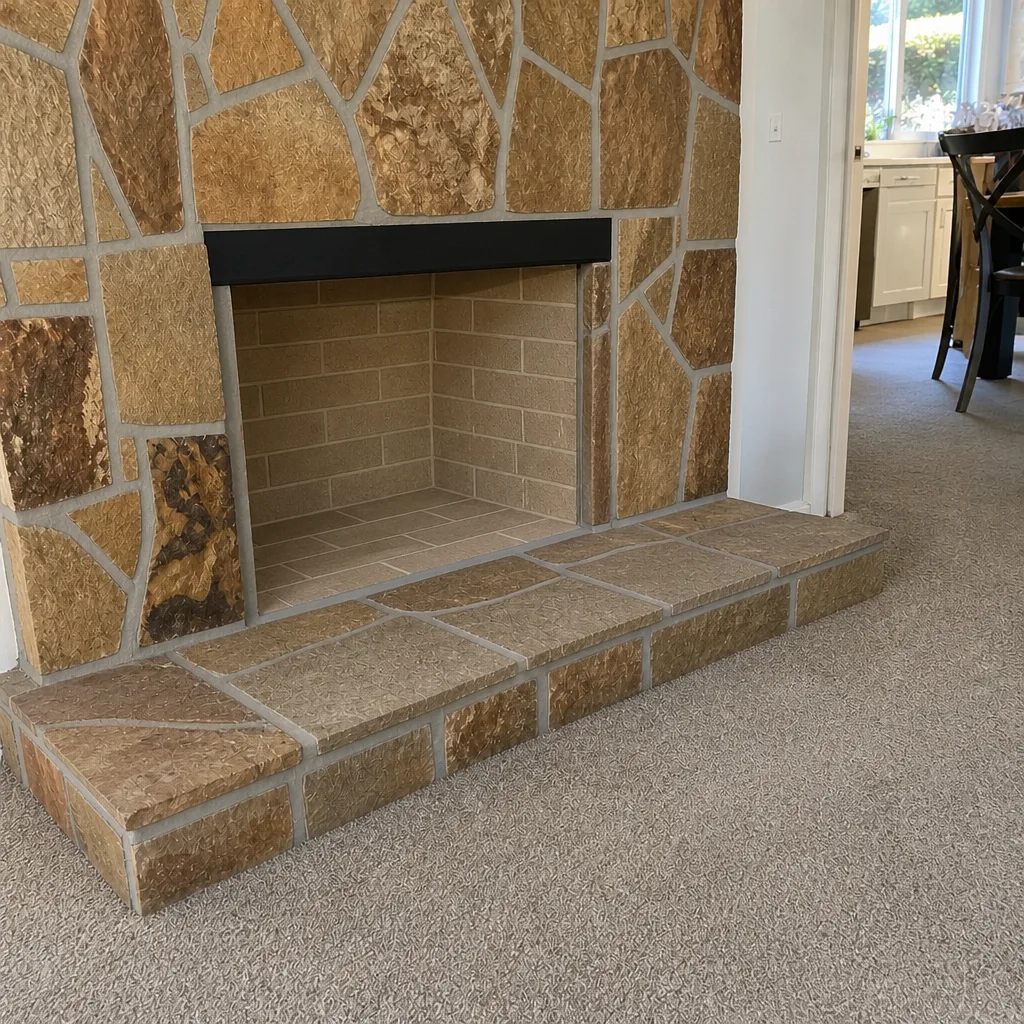
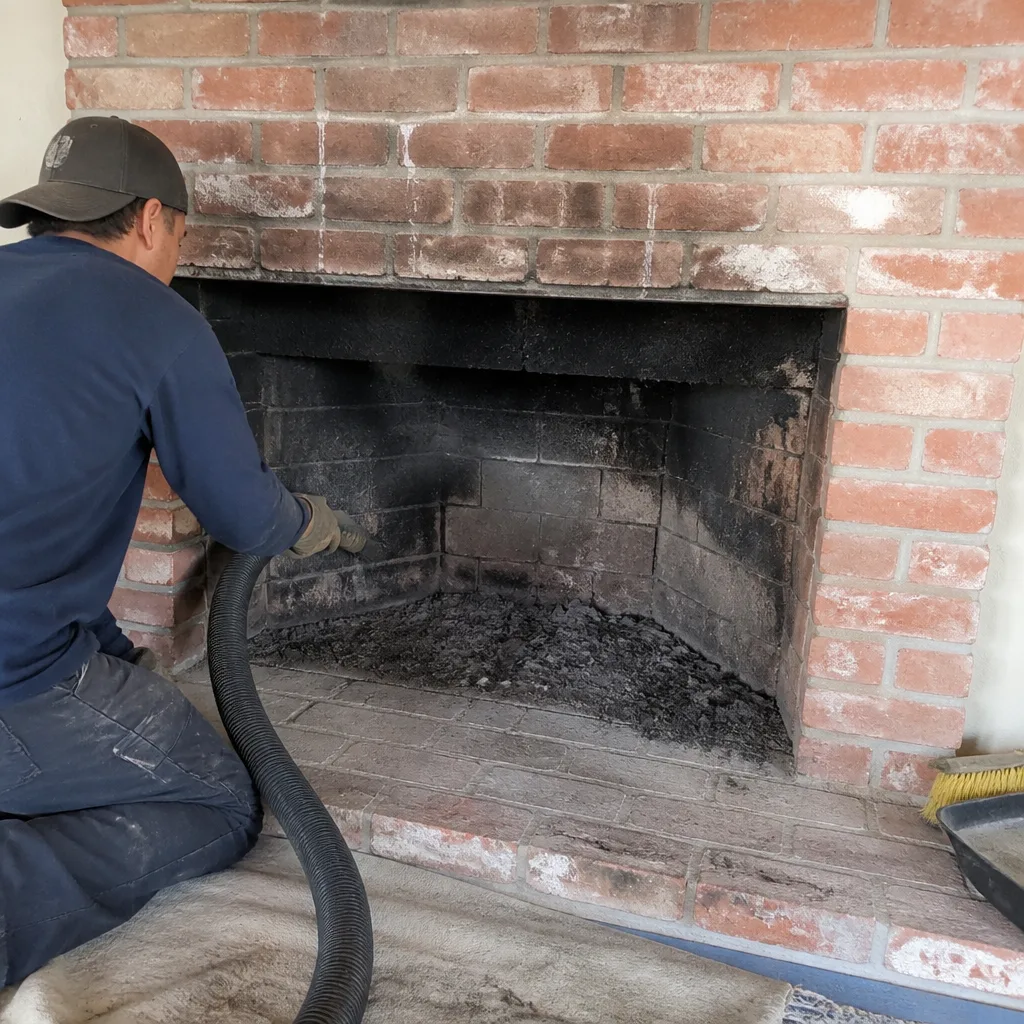
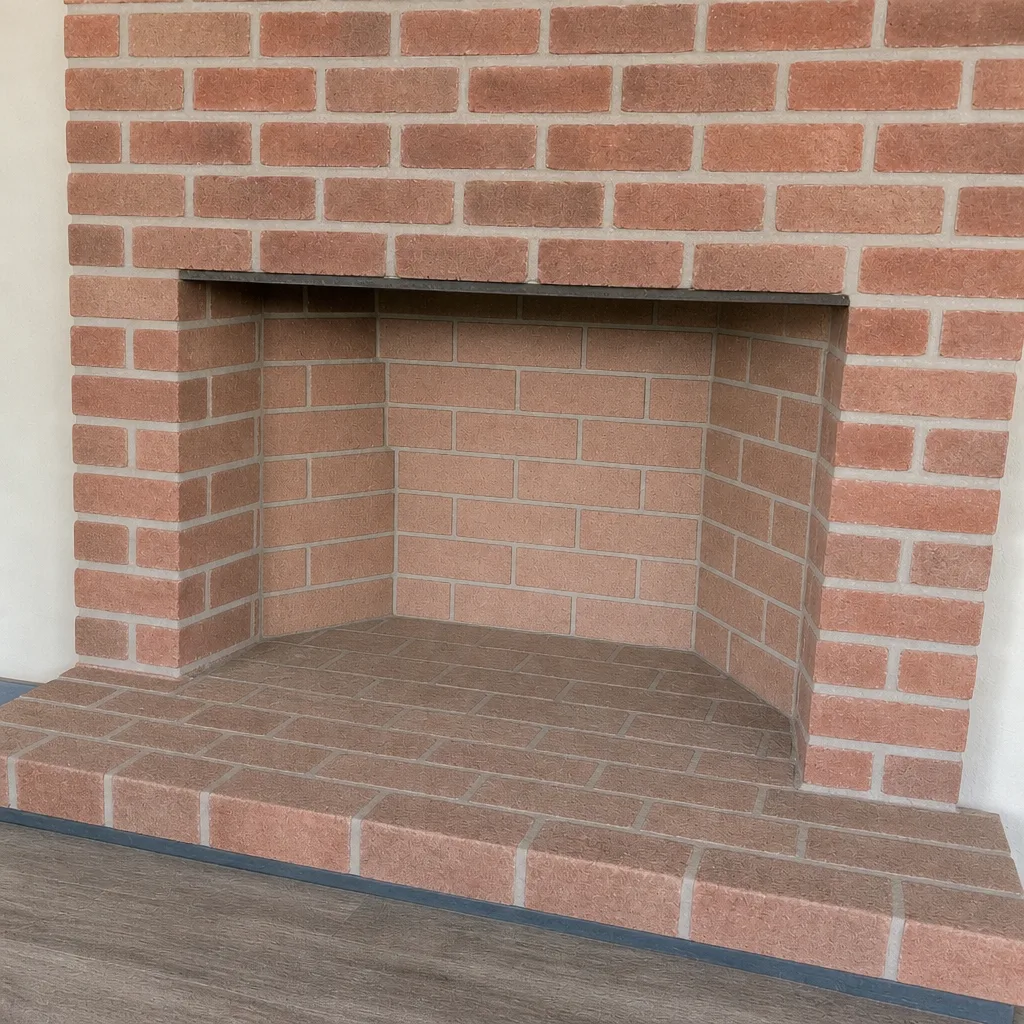
See the difference
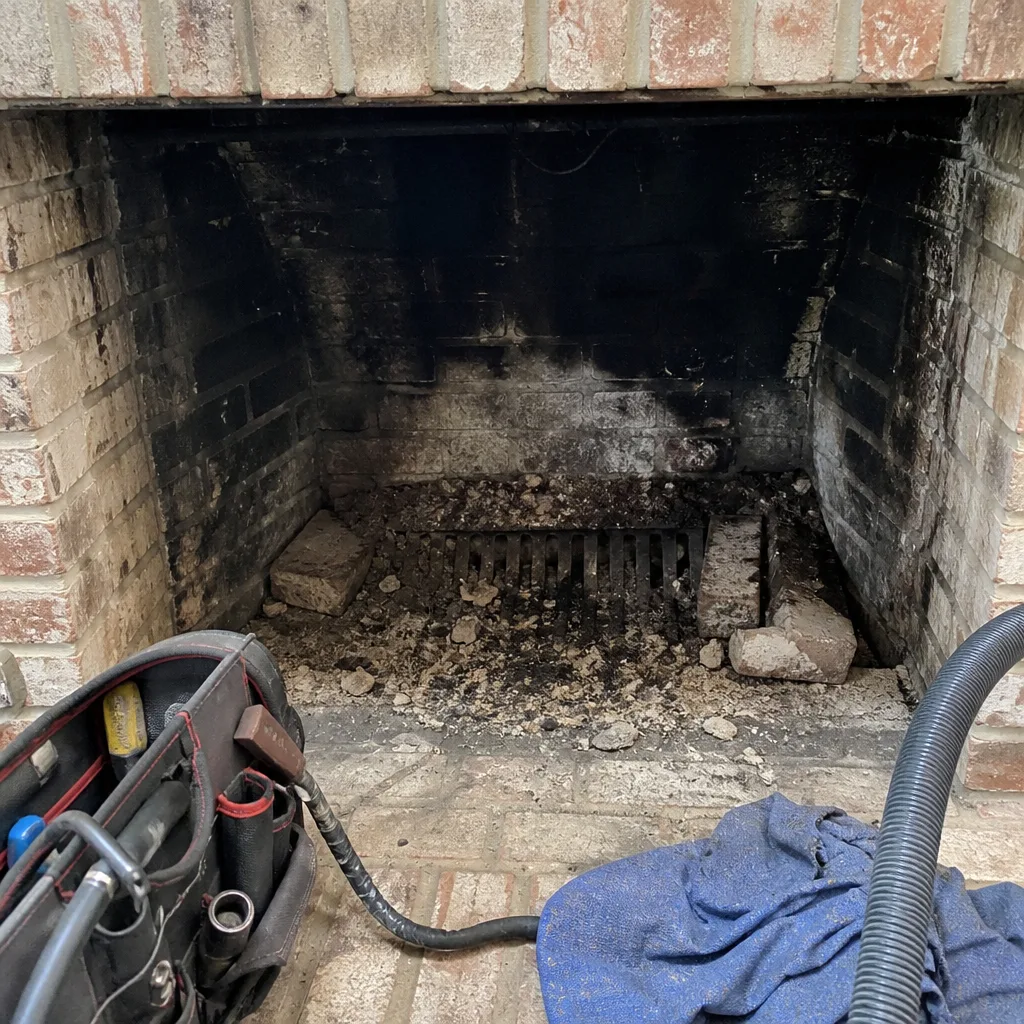 Before
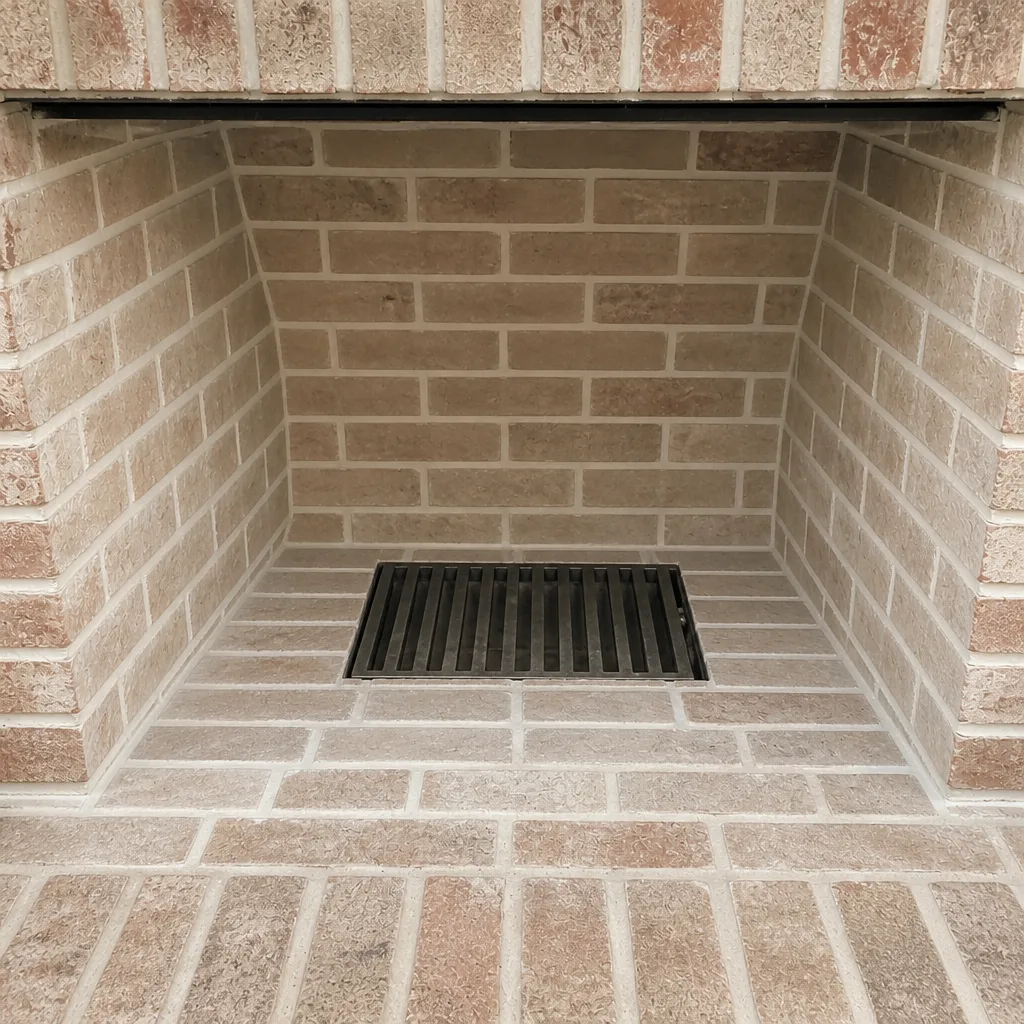 After
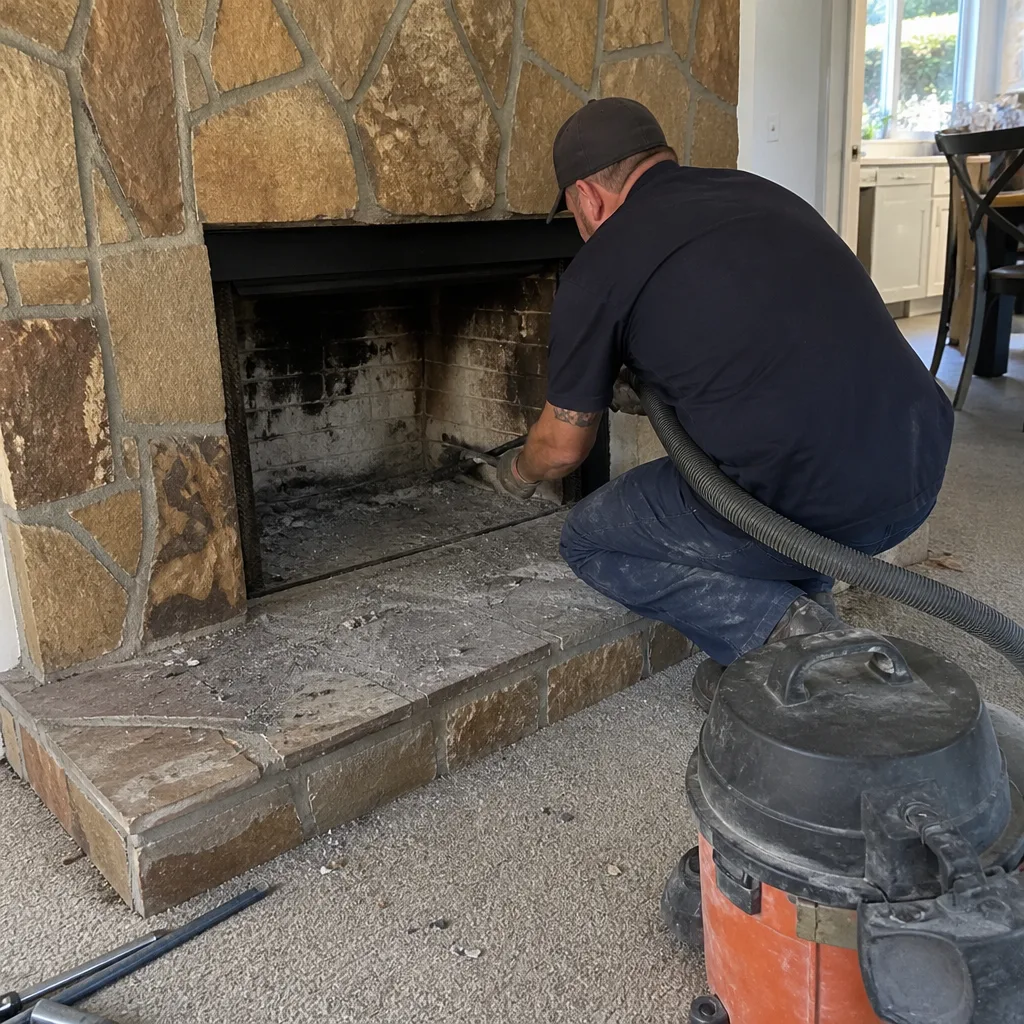 Before
 After
 Before
 After
When to Call a Professional
Call a professional if you don’t have a documented inspection from the last year, if you’re seeing glazed or tar-like deposits, if you smell smoke in the house while the fireplace is running, or if your roof access is steep or two stories. Call if the firebox has visible cracks, if the cap or crown is damaged, or if you’re planning to sell the house in the next year or two. Call if you’ve had a chimney fire. And call if you simply don’t want to spend three hours on a Saturday with a respirator and a bag of creosote when a professional can handle the sweep and inspection in one visit. Laguna Niguel Chimney Sweep Pros offers free estimates in Laguna Niguel. Call (855) 594-8044. We answer 24/7. Fast dispatch from 7am to 7pm, Sunday through Friday.
Frequently Asked Questions
Yes, technically. A homeowner with the right brush kit can remove light, flaky soot from a flue that had a recent professional inspection. What you can’t do is the inspection itself: liner continuity, smoke chamber condition, firebox joint integrity, and cap and crown condition all require either training or a camera. So the honest answer is you can do the sweep, but you can’t replace the service.
Most fireplace manufacturers and industry guidance point to an annual inspection, with a sweep whenever the flue has enough deposit to need one. For light-use wood-burning fireplaces in Laguna Niguel, that often works out to a sweep every year or two. For homes that burn regularly through the cool season, annual sweeps are the safer default. The inspection tells you whether you can skip the next sweep; it can’t tell you if you don’t get it.
Often, nothing. Most of what we find in Laguna Niguel chimneys is minor and fixable. But when there’s a liner crack, a deteriorated smoke chamber, or advanced creosote, the inspection is what catches it before it becomes a repair. Skipping it doesn’t cause a problem in most cases; it just means you’ll learn about any problem later than you’d want to. Call (855) 594-8044 for a free estimate. We answer 24/7. Fast dispatch from 7am to 7pm, Sunday through Friday.
A camera inspection of the flue, a classification of the creosote stage, a check of the smoke chamber and firebox joints, a look at the cap and crown, and a written report with photos. It also includes proper disposal of the creosote debris. The brushing itself is the part that overlaps with DIY. The rest of it doesn’t.
That’s the right question to ask, and the answer should always be based on camera evidence you can see. A liner needs replacing when there’s an actual breach in the flue, not just because it’s older. If a liner is intact and performing, we don’t recommend replacing it. When the flue interior is deteriorating but not breached, HeatShield resurfacing can restore it without a full liner replacement, which is a cost-saving option many homeowners never get told about. In our experience, the right answer comes out of the camera footage, not out of a sales pitch.
It’s generally a lower-risk task because gas logs don’t produce the same creosote load as wood. The risks here are more about damaging the log set or the ember bed than about creosote, and about not being able to see whether the damper or flue has an obstruction. A professional inspection on a gas-log fireplace is still worth doing annually, but a light brush pass between professional visits is reasonable for most homeowners.
The Bottom Line
DIY chimney cleaning has a place. It’s a light interim brush pass on a low-use fireplace that had a recent professional inspection and shows no signs of trouble. Beyond that, the honest answer is that a brush does the sweep and skips the service. The inspection is where liner cracks get caught, where smoke chamber condition gets checked, where creosote stage gets classified, and where the cap and crown get evaluated. Those are the things that determine whether your fireplace is safe to use, not whether it’s visibly dusty. In Laguna Niguel, where the burn season is real but the off-season is long, one annual professional visit and a light mid-season brush pass is a reasonable pattern. If you want to see where you stand, book the inspection. We’ll tell you what it needs, not what costs the most.
Call (855) 594-8044 for a free estimate. We answer 24/7. Fast dispatch from 7am to 7pm, Sunday through Friday.
Written by the team at Laguna Niguel Chimney Sweep Pros.