
Last updated November 25, 2026
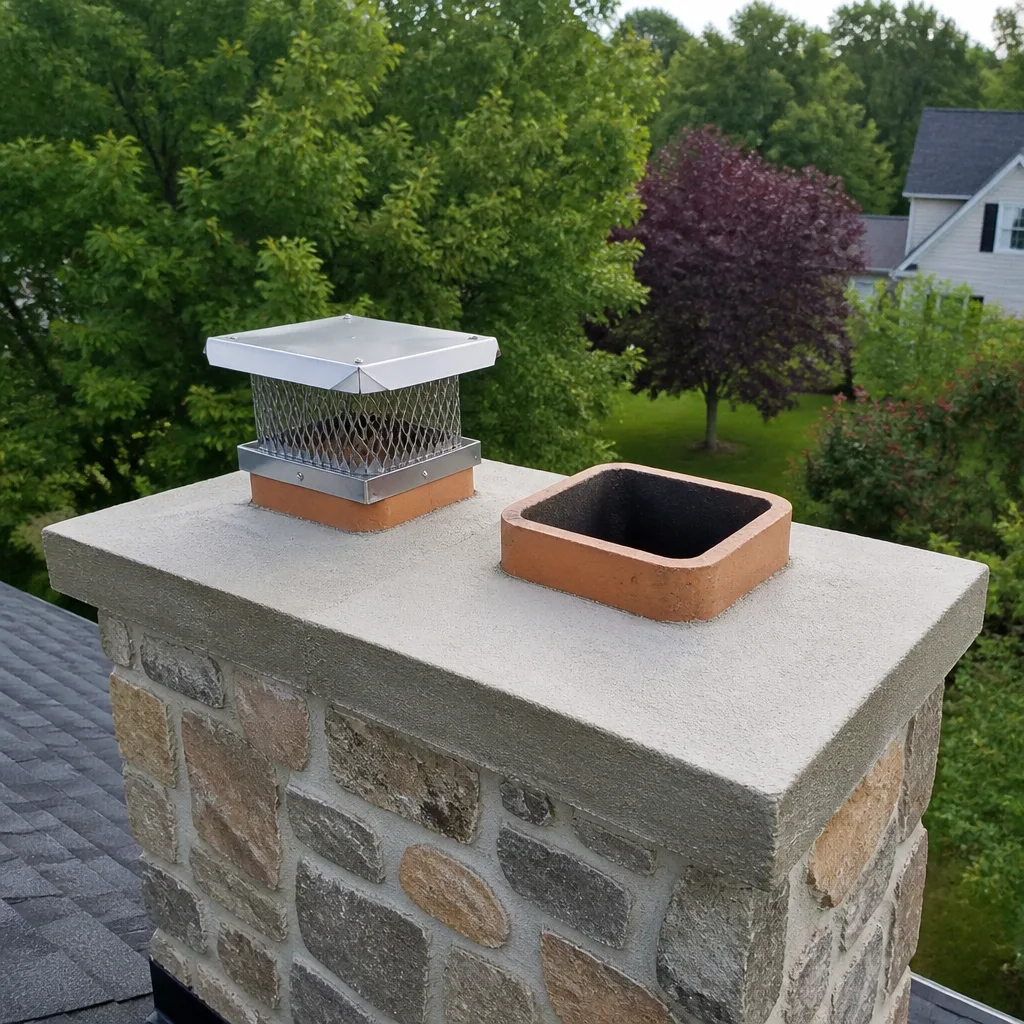 Sweep & inspection
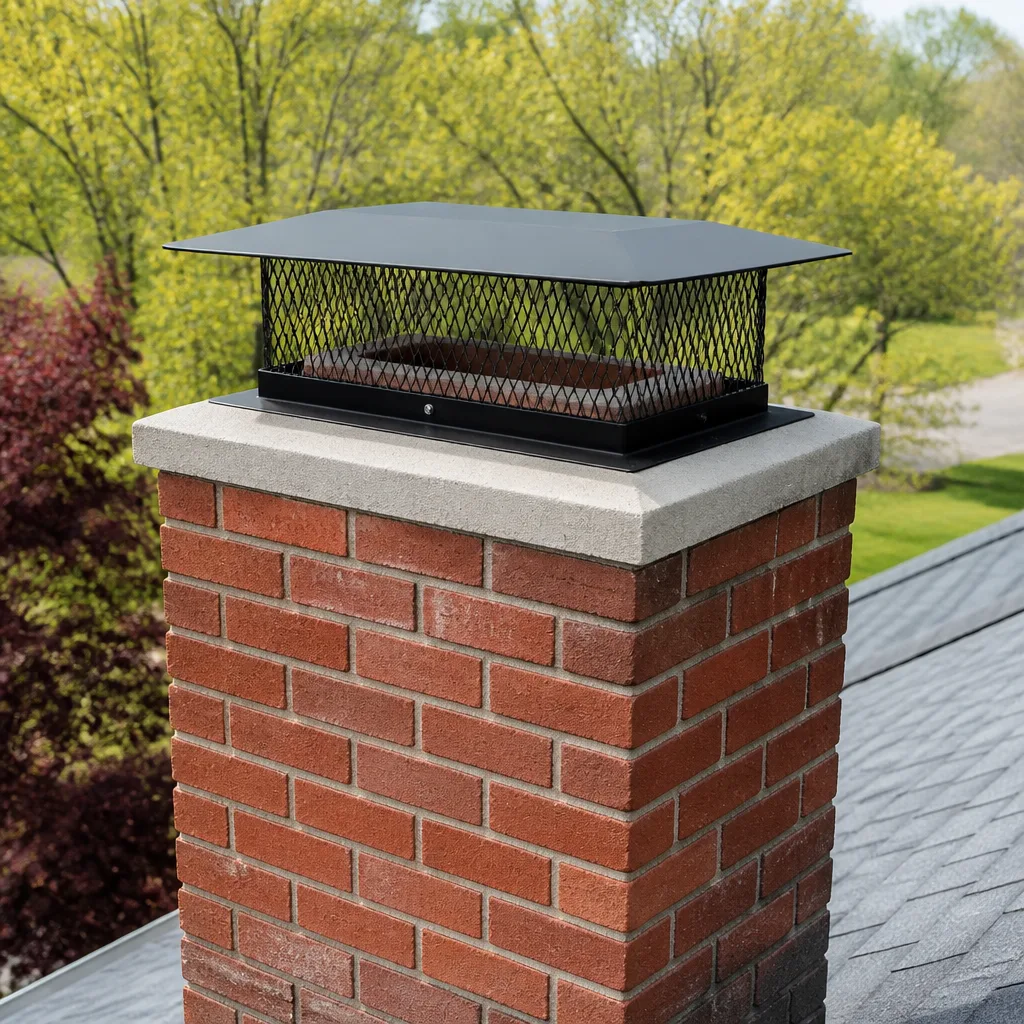 Caps & crowns
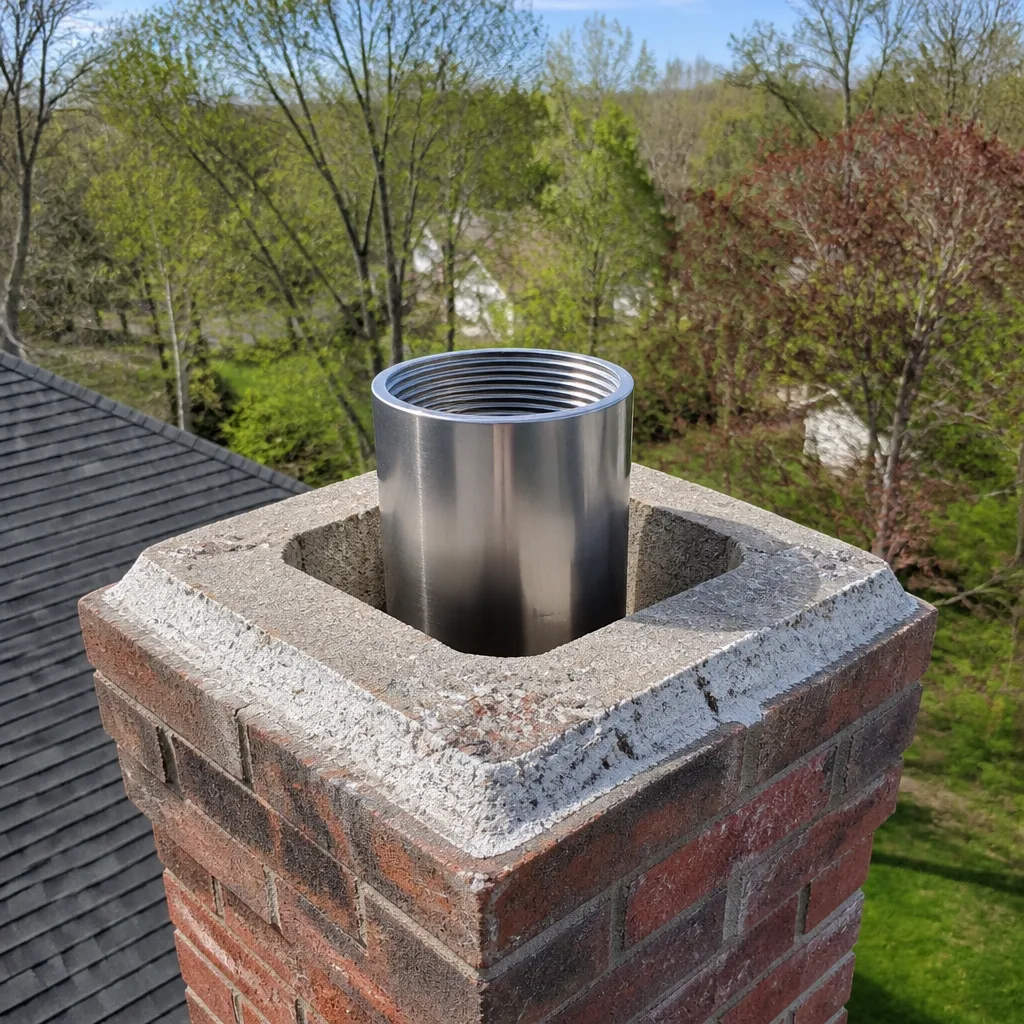 Flue relining
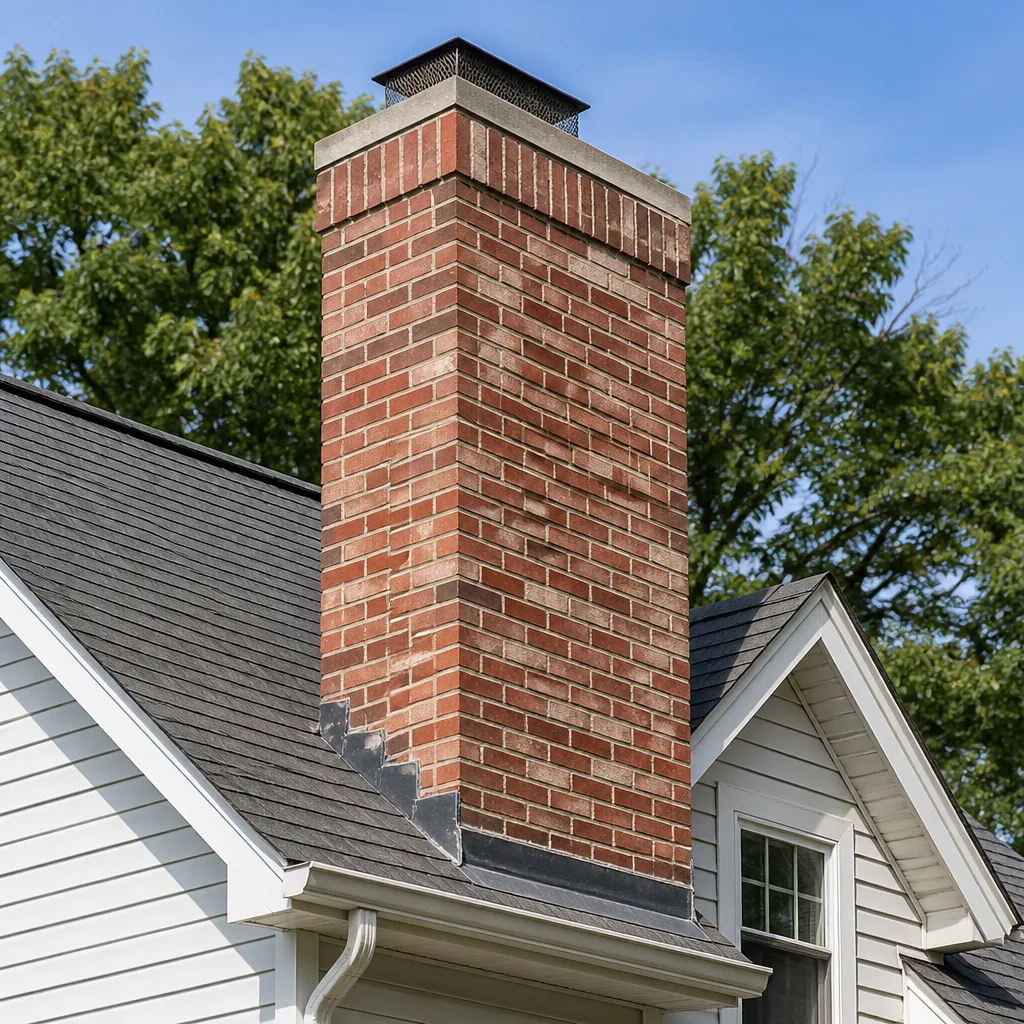 Masonry repair
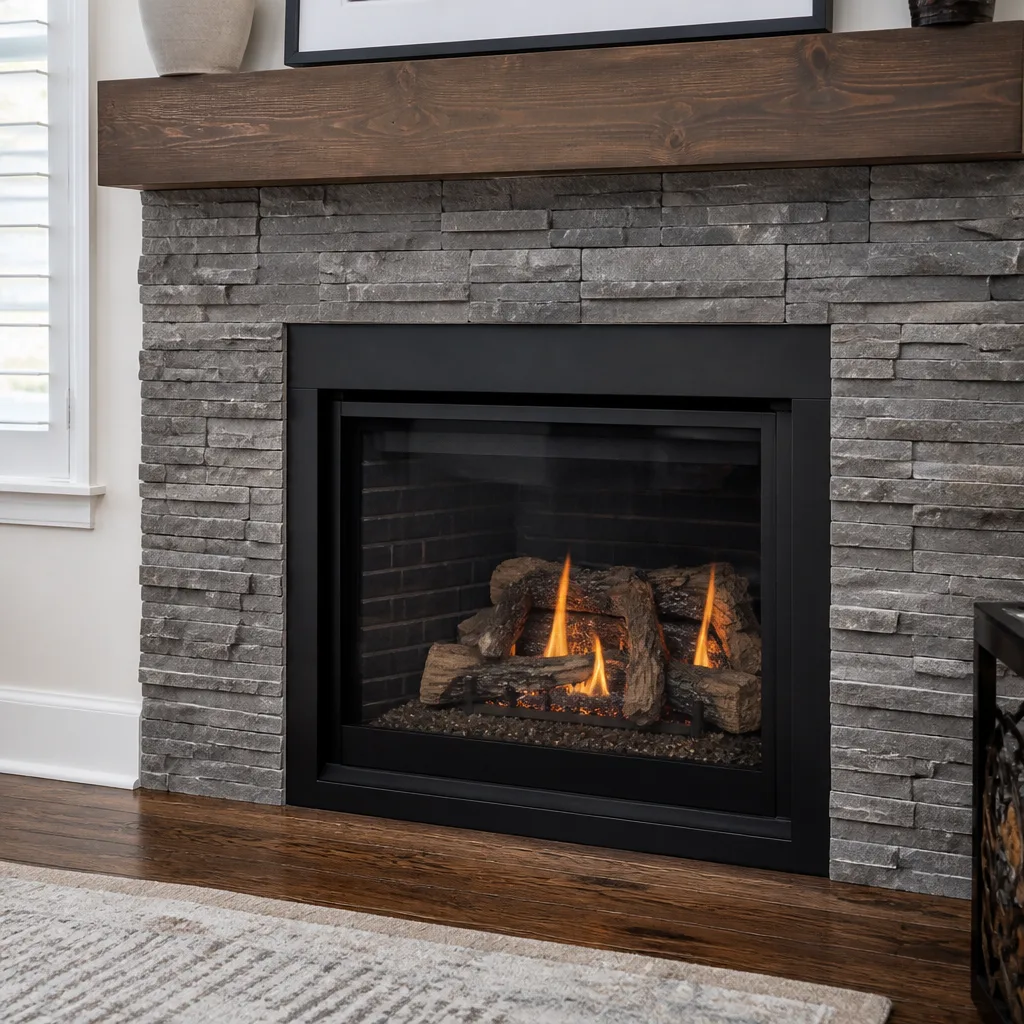 Gas fireplace service
Level 1 sweep and inspection to the NFPA 211 annual standard - flue, crown, cap, and flashing checked and photographed
Chimney sweep logs do not sweep chimneys. They loosen some creosote - which then falls where a brush and vacuum still have to collect it.
How to Hire a Chimney Cleaning Contractor in Laguna Niguel: A Step-by-Step Guide
There is no state license specific to chimney sweeping in California. That single fact reshapes how you should hire in Laguna Niguel, because it means the credential most worth checking is entirely voluntary and entirely on you to ask for. CSIA certification is the one that separates a chimney professional from a generalist with a brush kit, and no website is required to display it. What you’ll learn here: what CSIA certification actually requires, how to verify it in about a minute, the five questions that expose whether a company is a real specialist, how to read a written estimate line by line, and how to spot meaningful details in online reviews. We’ve spent years watching homeowners in Laguna Niguel get this right and get it wrong, and the difference almost always comes down to the questions asked before anyone knocks on the door.
Quick Answer
To hire a chimney cleaning contractor in Laguna Niguel, verify CSIA certification directly at csia.org before booking, ask whether the company handles structural repairs (not just sweeps) in-house, and insist on a written estimate that itemizes inspection findings separately from cleaning and repair. CSIA certification is voluntary in California, so a contractor’s own claim about it should be checked rather than taken at face value. The lowest bid in this market usually reflects a shorter inspection, not a better deal.
Styles & brands we work with
- Sweep & inspection
- Caps & crowns
- Flue relining
- Masonry repair
- Gas fireplace service
Table of Contents
- Why There’s No Chimney License in California: What That Means for You
- What CSIA Certification Actually Requires (And How to Verify It in 60 Seconds)
- The Five Questions to Ask Before You Book
- What a Legitimate Written Estimate Should Itemize
- Why the Lowest Bid in Laguna Niguel Often Means a Shorter Inspection
- How to Read Reviews for Chimney Work
- Specialist vs. Generalist: What the Difference Looks Like on the Job
- Materials and Brands: What to Ask About Liner and Cap Components
Why There’s No Chimney License in California: What That Means for You
California does not issue a license specific to chimney sweeping. A contractor may hold a general building license, but that license class covers structural work broadly and does not establish that the person knows how to evaluate a flue, recognize a cracked crown, or interpret a camera inspection. In practice, this means the most meaningful credential in the trade, CSIA certification, is voluntary. No website is obligated to post it. No truck is obligated to display it. And in a market like Laguna Niguel, where a handyman can add “chimney sweep” to his service list without any verification process, the burden of checking falls on you.
That’s not a reason to panic. It’s a reason to know what you’re hiring for and to ask the right questions in the right order.
Two things follow from the missing license requirement:
- Certification is a signal, not a guarantee. A CSIA-certified technician has passed a written exam, documented field experience, and carries current liability insurance. That’s a real floor, even if it’s not legally required.
- Scope of service is your next filter. A company that only sweeps is not the same as one that sweeps, inspects, repairs liners, installs caps, and does the structural work without handing you off. Ask what the company actually does itself, not what it “can arrange.”
- Written documentation matters more here than in licensed trades. When no license board is watching, the estimate and inspection report become your paper trail. Keep both.
If you want a baseline for what a proper chimney sweep involves, start there before you start calling. It helps to know what you’re paying for.
What CSIA Certification Actually Requires (And How to Verify It in 60 Seconds)
CSIA certification is not a weekend course. The Chimney Safety Institute of America requires candidates to pass a written exam covering codes, venting, combustion, and inspection standards, to document field experience, and to carry current liability insurance. Certification is renewed through continuing education and a re-examination cycle. That’s not a marketing badge; it’s a structured standard that most generalist handymen never pursue.
Verification is surprisingly easy. Here’s the process:
- Open csia.org in a browser.
- Go to the “Find a Certified Professional” or “Verify a Certification” search tool.
- Enter the technician’s name or the company name.
- Confirm the certification is current (not lapsed or expired).
- Note the certification number if you want to reference it on the estimate.
That takes under a minute in most cases. It’s the single most useful step in this entire guide.
One nuance worth knowing: a company can employ certified technicians without being a “CSIA-certified company” in a formal sense. Ask who specifically will be on site, and whether that person is the one holding the certification. If the answer is vague, push. In our experience working Laguna Niguel homes, the companies that answer this directly are the same ones that will explain their findings without upselling. The ones who deflect usually have something to hide, or simply don’t have the credential at all.
CSIA certification won’t tell you whether a company carries the right parts for a repair, but it will tell you the technician has been tested on fundamentals. That’s the right starting filter.
The Five Questions to Ask Before You Book
These five questions cut through a polished website quickly. Ask them on the phone before you schedule.
- “Are your technicians CSIA certified, and can I find that certification at csia.org?” If the answer is “we follow CSIA standards” or “we’re trained to those guidelines,” that’s not the same as holding certification. Ask for the specific name and check it.
- “What does your inspection actually cover?” A real inspection covers the firebox, damper, smoke chamber, flue, crown, cap, and chase. If the answer stops at “the flue,” you’re booking a sweep, not an inspection. Those are different services.
- “Do you do structural chimney repair, or do you subcontract it?” Specialists repair crowns, reline flues, and install caps. Generalists sweep and then refer out. That referral is often where the real money gets spent, sometimes with a company you never vetted.
- “What brands do you install for liner and cap work?” Professional chimney companies work with recognized industry manufacturers by name, like HeatShield, Gelco, Olympia Chimney, or Famco. If the only answer is “whatever’s available,” that’s a signal the company doesn’t stock specialty components.
- “Can I see the camera inspection footage before any repair is recommended?” A real specialist can show you what they found. A generalist often can’t, because a camera isn’t part of the kit.
Notice that none of these questions is about price. Price comes after you’ve established what the company can actually deliver. Asking “how much for a sweep” first is how homeowners end up comparing the wrong things, like two estimates for two different scopes of work.
In Laguna Niguel, where many homes sit at the edge of the coastal hills and take on moisture from onshore flow, cap and crown integrity matters as much as the sweep itself. Ask about it directly.
What a Legitimate Written Estimate Should Itemize
A legitimate written estimate separates inspection findings from cleaning from recommended repairs. It should read like a report, not a menu. If you get a single number with a scrawl on a carbon-copy slip, that’s a red flag worth noting.
Here’s what a solid estimate itemizes:
- Inspection scope. What was examined (firebox, flue, crown, cap, chase, appliance connections). Whether camera inspection was included.
- Sweep or cleaning line item. A stated flat price, agreed before work begins.
- Findings, categorized. What’s safe now, what needs attention before the next burning season, and what’s a long-term watch item.
- Repair recommendations with reasoning. Not just “needs relining,” but why and what evidence supports it.
- Material specifications for any repair. Brands named, component types, and any code-related requirements (for example, that the installation will meet current venting standards).
- Warranty or satisfaction language. What happens if the work doesn’t hold.
Line items that should make you pause:
- “Miscellaneous” or “shop supplies” as a lump charge without explanation.
- A relining recommendation with no camera footage and no stated alternative (HeatShield resurfacing, for example, can restore a flue interior without a full liner replacement in some cases, and a specialist should discuss that option).
- Any pressure to sign a “today-only” price. There is no legitimate reason for a genuine chimney repair to be urgent-to-sign-today.
- Cap and crown work quoted without naming the component brand or explaining the specific water intrusion risk being addressed.
We’ll tell you what your chimney needs, not what costs the most. If a repair can safely wait until after the next sweep, we say so. That’s the standard to hold any chimney company to in Laguna Niguel. Call (855) 594-8044 for an exact quote; estimates are free.
Why the Lowest Bid in Laguna Niguel Often Means a Shorter Inspection
Chimney cleaning prices reflect time and scope. The cheapest quote almost always reflects less time spent on the inspection. That isn’t a coincidence; it’s arithmetic.
A thorough inspection means getting access to the roof, removing and reinstalling the cap where needed, running a camera down the flue, examining the crown for cracks, checking the smoke chamber, and documenting findings. That’s a real visit. A sweep-only visit is faster, ignores the structural side of the system, and – in a market where many homes have been through several owners and possibly several handymen – leaves you with a clean flue and an unexamined crown.
In Laguna Niguel specifically, the housing mix matters. Many homes were built or retrofitted with fireplace inserts, and decades of use in a mild climate means some chimneys have sat idle long enough to develop small cracks in the crown or minor liner wear that a quick visual sweep won’t catch. The cheap quote is cheap because the technician isn’t looking for those. There’s nothing dishonest about the small quote itself; the risk is that it gives you a false sense of a clean bill of health.
How to compare bids fairly:
- Ask each company to itemize the inspection contents, then compare like for like.
- Confirm whether camera inspection is included and whether footage is shared.
- Ask what each company would do if the camera showed a cracked flue tile.
- Avoid comparing a sweep-only quote to a sweep-plus-inspection quote as if they’re the same product.
The correct comparison is scope for scope, not dollar for dollar. A bid that’s a few dollars lower but skips the camera and the crown check is the more expensive choice if you later find a repair you could have caught earlier.
How to Read Reviews for Chimney Work
Reviews of chimney companies are worth reading carefully, but only if you know what to look for. Generic five-star reviews (“great service, very professional”) tell you almost nothing. The reviews that matter are specific.
Here’s what signals a reviewer actually knows what good service looks like:
- They name the technician’s findings. “They showed me the camera footage of a cracked flue tile” is real. “They found some issues but took care of it” is not.
- They mention inspection as a separate step. A reviewer who differentiates a sweep from an inspection has actually had both.
- They describe being told something could wait. A company that says “this repair can hold until next season” builds more trust than one that finds a problem every time.
- They mention a specific brand or component. “They installed a Gelco cap” is a detail a skeptical reviewer wouldn’t fake.
- They mention the estimate process. Flat pricing agreed before the work, written estimate afterward, no surprise charges.
Red flags in reviews include vague universal praise, complaints about upselling during the visit, and stories of “they said I needed a whole new liner but couldn’t show me why.” If a review includes that last one, read it carefully. A legitimate liner recommendation should come with evidence.
For Laguna Niguel specifically, look for reviewers who mention the local conditions – that a repair was scheduled to address onshore moisture or an idle chimney that hadn’t been serviced in years. These details confirm the reviewer actually lives here.
Specialist vs. Generalist: What the Difference Looks Like on the Job
Most homeowners discover the specialist-versus-generalist gap around the second visit, when a generalist who cleaned the flue last year has to refer out the crown repair. By then, you’ve paid twice and vetted only once. Here’s how to spot the difference before you hire.
A chimney specialist handles the full system from the firebox to the cap, which includes chimney repair and fireplace repair as part of the same scope. A generalist handles the sweep and refers the rest. The difference shows up in several places:
- Tools and equipment. A specialist shows up with a camera, a set of rods sized for a typical residential flue, and the safety gear to work a roofline. A generalist has a brush kit.
- Materials. A specialist works with manufacturer-named components (HeatShield for flue resurfacing, Gelco and Famco for caps and crowns). A generalist works with hardware-store stock.
- The estimate. A specialist itemizes; a generalist gives you a number.
- The inspection report. A specialist reports what they found and what can wait. A generalist often doesn’t produce a report at all.
- The follow-up. A specialist is who you call next year. A generalist is who you call once.
The full-service specialist model isn’t about being bigger. It’s about being one company accountable for the whole system, so nothing gets handed off to a subcontractor whose work you can’t verify. If you’ve had a handyman touch your chimney before and want a baseline for what proper work looks like, the Laguna Niguel Chimney Sweep Pros approach is worth comparing against before you call anyone else.
Materials and Brands: What to Ask About Liner and Cap Components
Materials matter as much as technique. A chimney is a system, and the components in it wear at different rates. The good manufacturers in this trade are known by name, and a specialist will use them; a generalist usually won’t.
When evaluating a bid that includes repairs, ask about these component types:
- Flexible liner systems. DuraFlex liner systems can navigate flues with offsets or bends that rigid pipe cannot. If your chimney has a jog in it (common in homes that have had fireplaces added or altered), a company that only installs rigid liner may quote a more invasive repair than necessary.
- Flue resurfacing. HeatShield resurfacing can restore a deteriorating flue interior in some cases without full liner replacement. It’s a meaningful option for homeowners who have been told they need a complete reline.
- Caps and crowns. Gelco and Famco components are what professional installers specify. A crown crack or a missing cap is one of the most common sources of water intrusion damage in any chimney, and it’s an inexpensive fix compared to what deferred water damage will eventually cost. Ask whether the crown and cap were checked during inspection.
- Chase covers and top plates. Olympia Chimney components are used in chase and cap renewal work. Ask whether your chase cover has rusted through or is simply dirty.
The right question isn’t “who has the best brand,” it’s “what does your installation include, and why that component for this chimney?” A specialist answers that in plain language. A generalist guesses.
We use the same materials chimney professionals specify by name, because the difference between a three-year fix and a fifteen-year fix comes down to what’s in the flue. When you compare bids, ask for the brand. Call (855) 594-8044 for an exact quote; estimates are free.
Common Mistakes to Avoid
- Hiring on price alone. In Laguna Niguel, the lowest bid usually reflects a shorter inspection, not a better deal. Compare scope, not dollars.
- Not asking for CSIA verification. Most homeowners take a certification claim at face value. Spend sixty seconds at csia.org before booking; it’s the single most useful check you can do.
- Treating a sweep and an inspection as the same service. A sweep cleans the flue. An inspection evaluates the entire chimney system, including crown, cap, chase, and appliance connections. Confirm both, or confirm which one you’re booking.
- Accepting a repair recommendation without seeing the camera footage. If a company says you need a new liner or masonry work, ask to see the evidence. In our experience, a specialist will show you; a generalist can’t.
- Letting a handyman touch structural chimney work. A crown repair or a cap installation done with field-fabricated components can crack again within a couple of seasons. Manufacturer-sourced parts are the difference.
- Skipping the annual sweep because the fireplace “looks fine.” Creosote accumulates in the flue, not the firebox. It’s invisible until it’s a problem.
- Ignoring the cap because it looks intact from the ground. Roof-level inspection reveals whether the cap is actually sealing, or whether water has already started to wick into the crown. In Laguna Niguel’s mild but moisture-carrying climate, that matters.
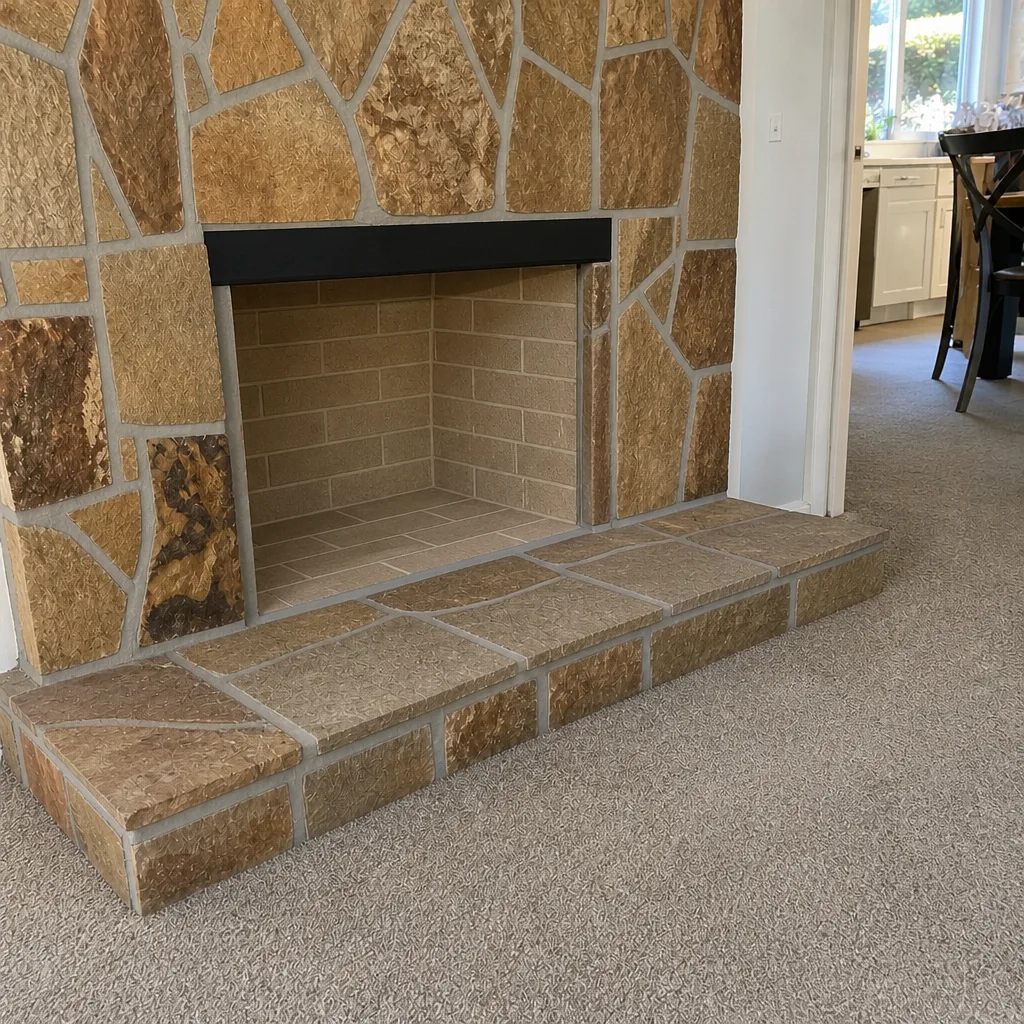
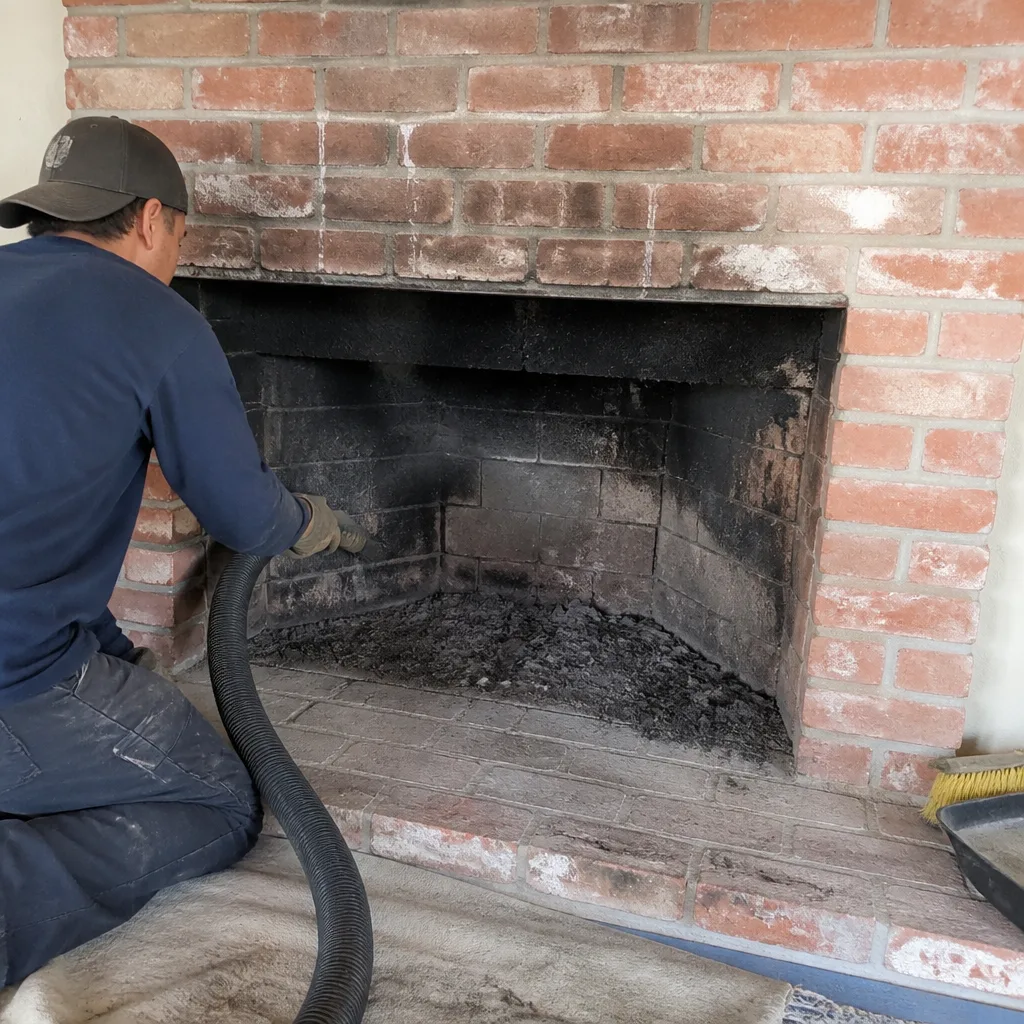
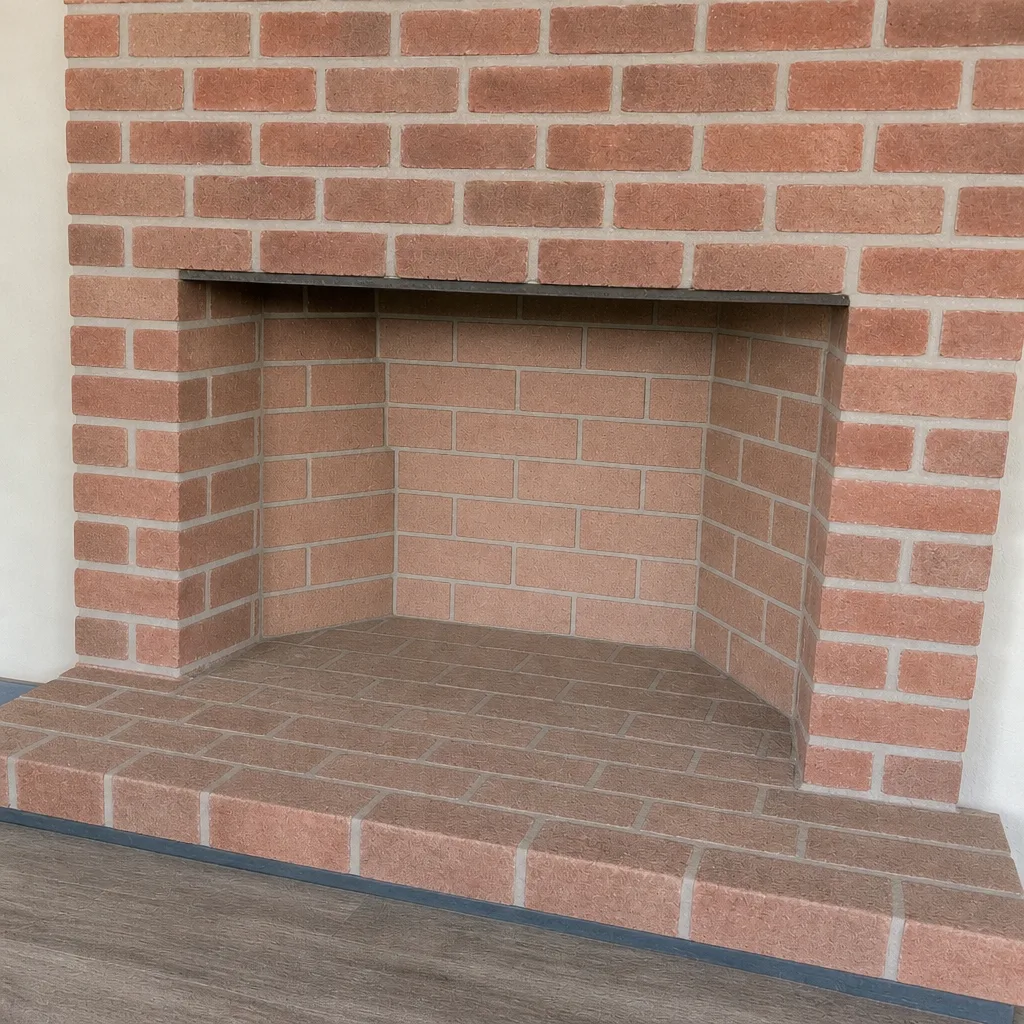
See the difference
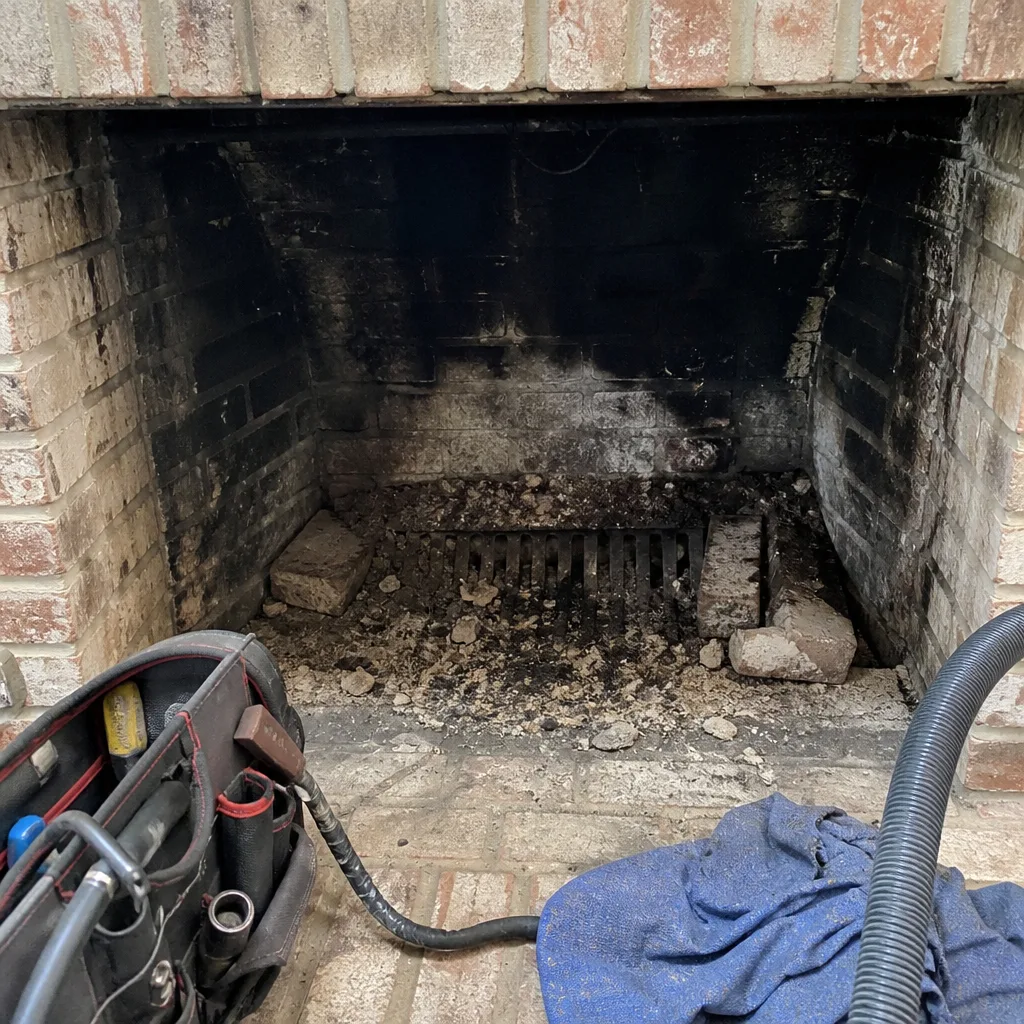 Before
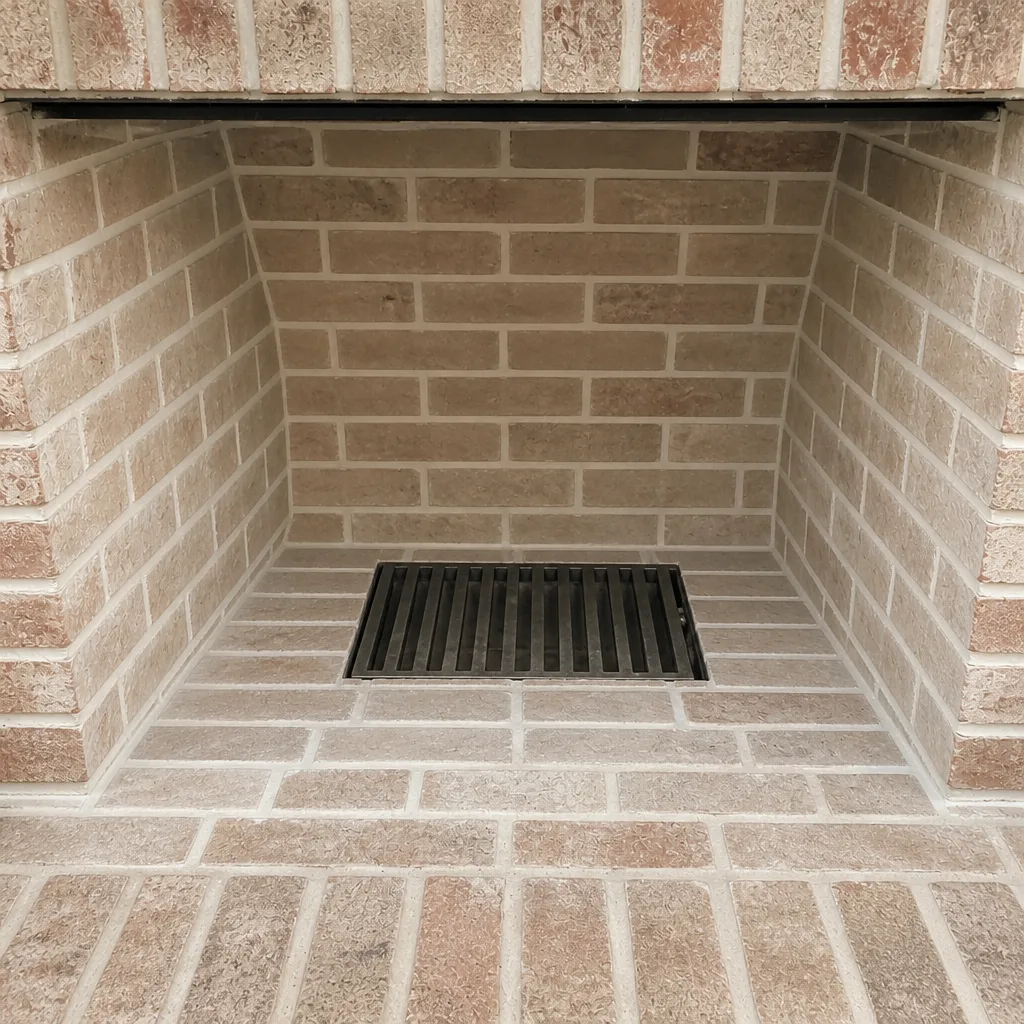 After
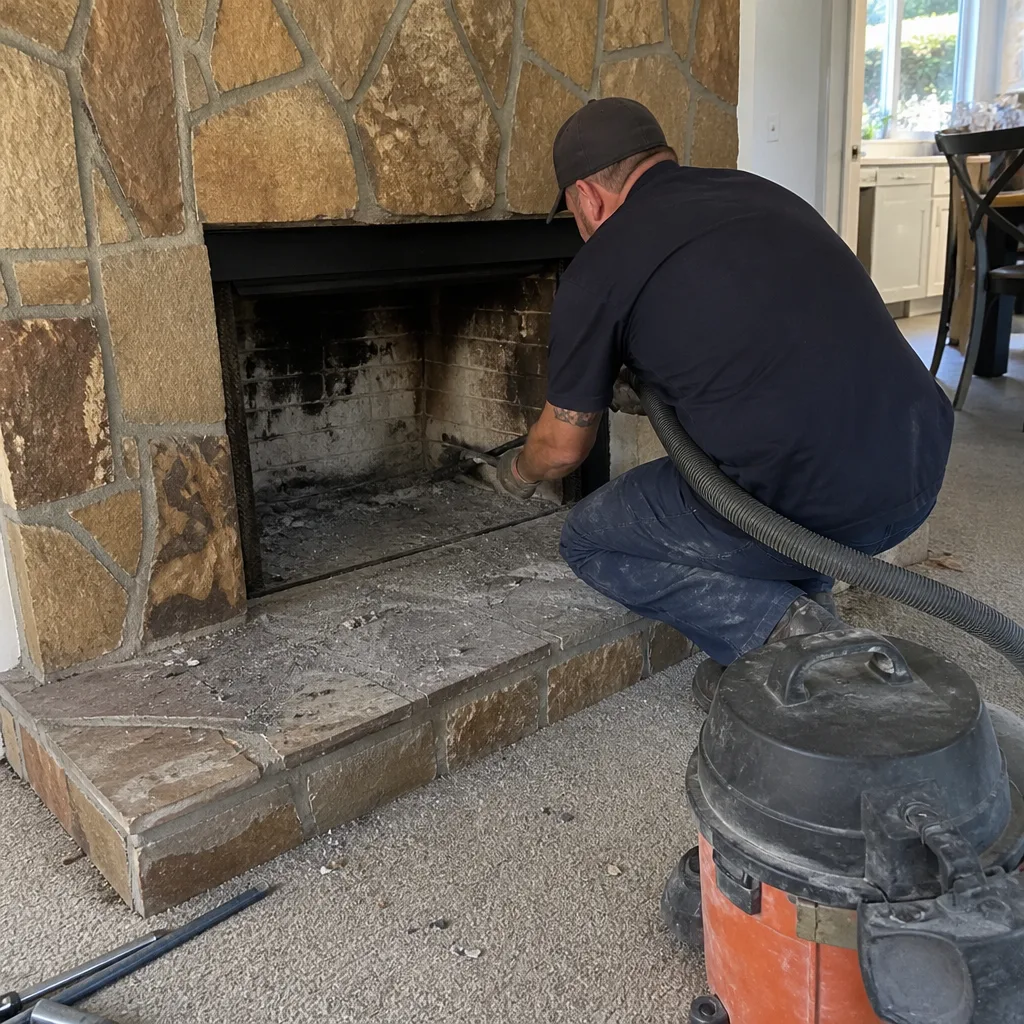 Before
 After
 Before
 After
When to Call a Professional
Some chimney work is annual maintenance; some is same-day. Call a professional when you smell smoke inside the house during a fire, when you hear a roar or crackling in the flue that’s louder than a normal burn, when the damper doesn’t open smoothly, or when you notice water staining on the smoke chamber or firebox brick. Those are signals the chimney is telling you something. Also call when you’re about to buy a home with a fireplace that hasn’t been inspected in the last few years; the inspection is a standalone service worth having before closing. If you’re not sure which category you fall into, a phone conversation can usually resolve it in a few minutes.
Laguna Niguel Chimney Sweep Pros offers free estimates in Laguna Niguel, with a flat-price sweep agreed before booking, camera inspection with a photo report included, and work backed by a satisfaction guarantee. Call (855) 594-8044. We answer 24/7. Fast dispatch from 7am to 7pm, Sunday through Friday. For an exact quote, the estimate is free.
Frequently Asked Questions
A chimney sweep in Laguna Niguel is priced per job by a written estimate, and the sweep price is agreed before booking. The scope of the inspection affects the estimate, since a full inspection covers more than a sweep alone. Call (855) 594-8044 for a free estimate on your chimney; the price is set in the written estimate, not a quote over the phone.
No. California does not issue a license specific to chimney sweeping. A contractor may hold a general building license, but that license class doesn’t confirm chimney-specific training. That’s why CSIA certification, though voluntary, is the credential most worth verifying at csia.org before booking.
Not always. A liner recommendation should be backed by camera evidence you can see, and it should be evaluated against alternatives like HeatShield resurfacing, which in some cases can restore a flue without full liner replacement. If a company recommends a new liner without showing you why, ask for the footage and a second opinion. Call (855) 594-8044 for a free estimate that starts with what your chimney actually shows on camera, not with a menu of services.
How often depends on how much you burn. Homes that burn regularly through the cooler months should be swept annually and inspected at the same visit. Homes that use the fireplace occasionally can often go longer between sweeps but should still be inspected periodically, since chimney components age even when the fireplace sits idle. Laguna Niguel’s mild climate means many fireplaces go unused for long stretches, which is exactly when small crown cracks and cap issues go unnoticed.
Creosote accumulates in the flue with every fire, and over time it can restrict draft and become a fire hazard. The chimney’s crown, cap, and masonry also wear with weather, and a missed crack can lead to water intrusion into the chimney structure. Skipping the sweep is less about the flue and more about the whole system. Call (855) 594-8044 for a free estimate that includes both cleaning and inspection.
Go to csia.org, use the certified professional search tool, and enter the technician’s name or company name. Confirm the certification is current, not lapsed. That’s it; the process takes about a minute. It’s the fastest way to separate a certified specialist from a generalist who added “chimney sweep” to their service list.
The Bottom Line
Hiring a chimney cleaning contractor in Laguna Niguel comes down to four checks: CSIA verification, scope of service (not just sweep), written estimate with itemized inspection findings, and camera evidence for any recommended repair. The market mixes certified specialists with generalists who treat chimney work as a side service, and no state license board sorts them out for you. What CMSA-compliant websites won’t tell you, a phone call usually will: ask the five questions, spend a minute on csia.org, and compare scope instead of dollars. Do those things once, and you have a chimney professional you can call for the next twenty years.
Call (855) 594-8044. We answer 24/7. Fast dispatch from 7am to 7pm, Sunday through Friday. The estimate is free, and we’ll tell you what your chimney actually needs, not what costs the most.
Written by the team at Laguna Niguel Chimney Sweep Pros.