
Last updated November 25, 2026
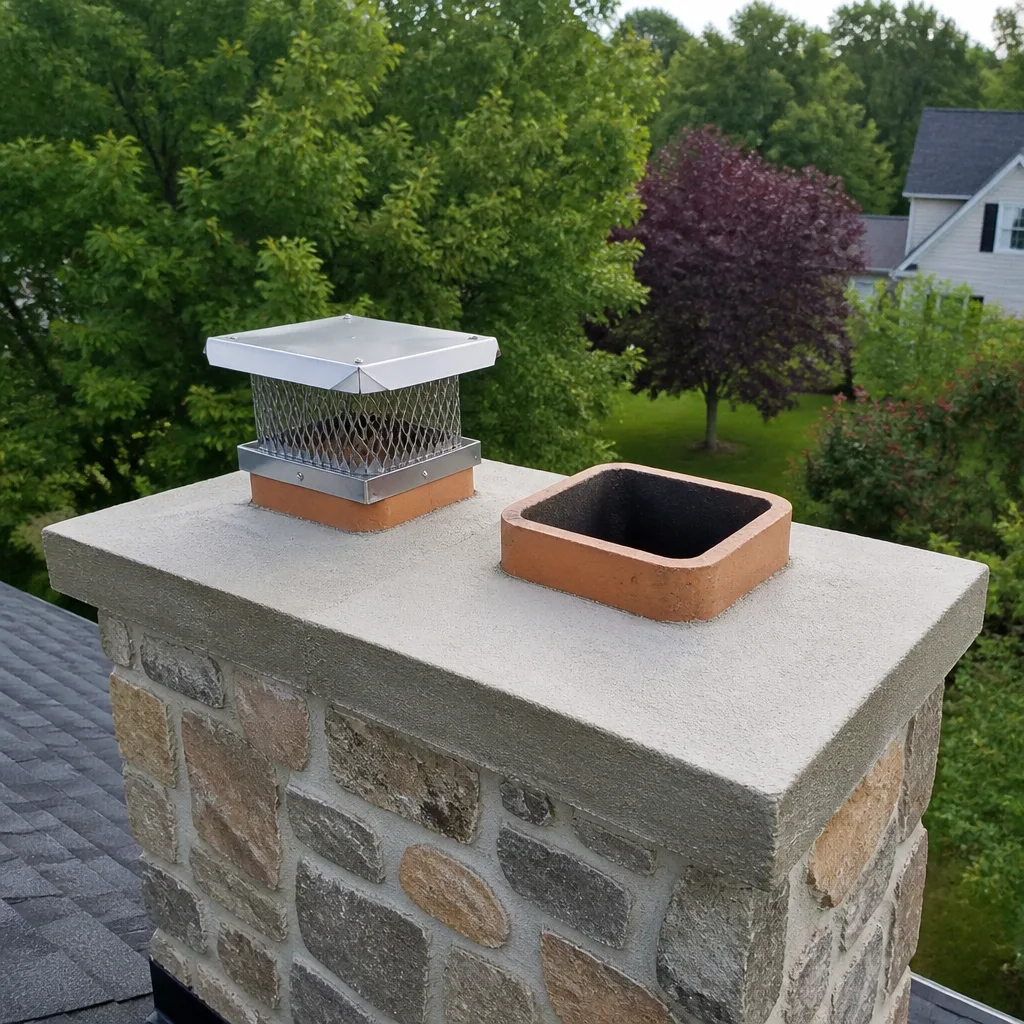 Sweep & inspection
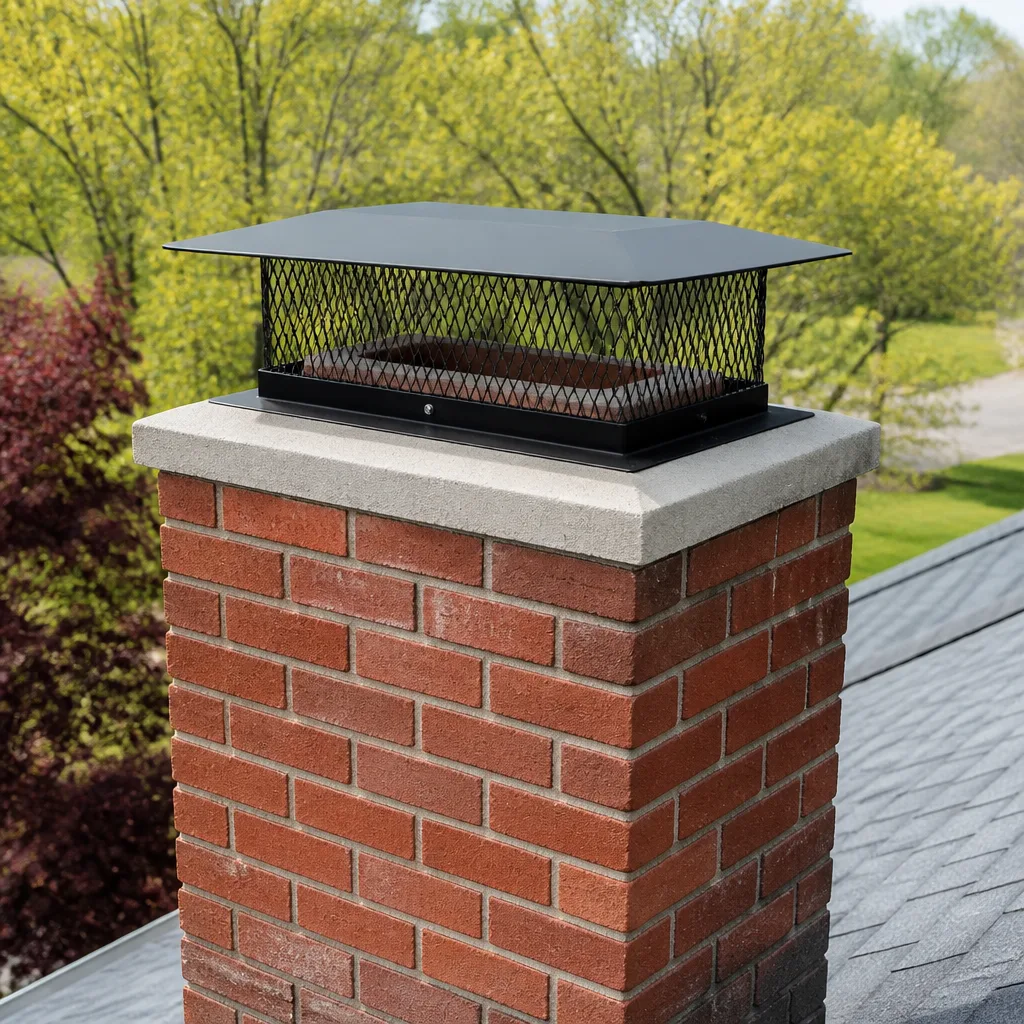 Caps & crowns
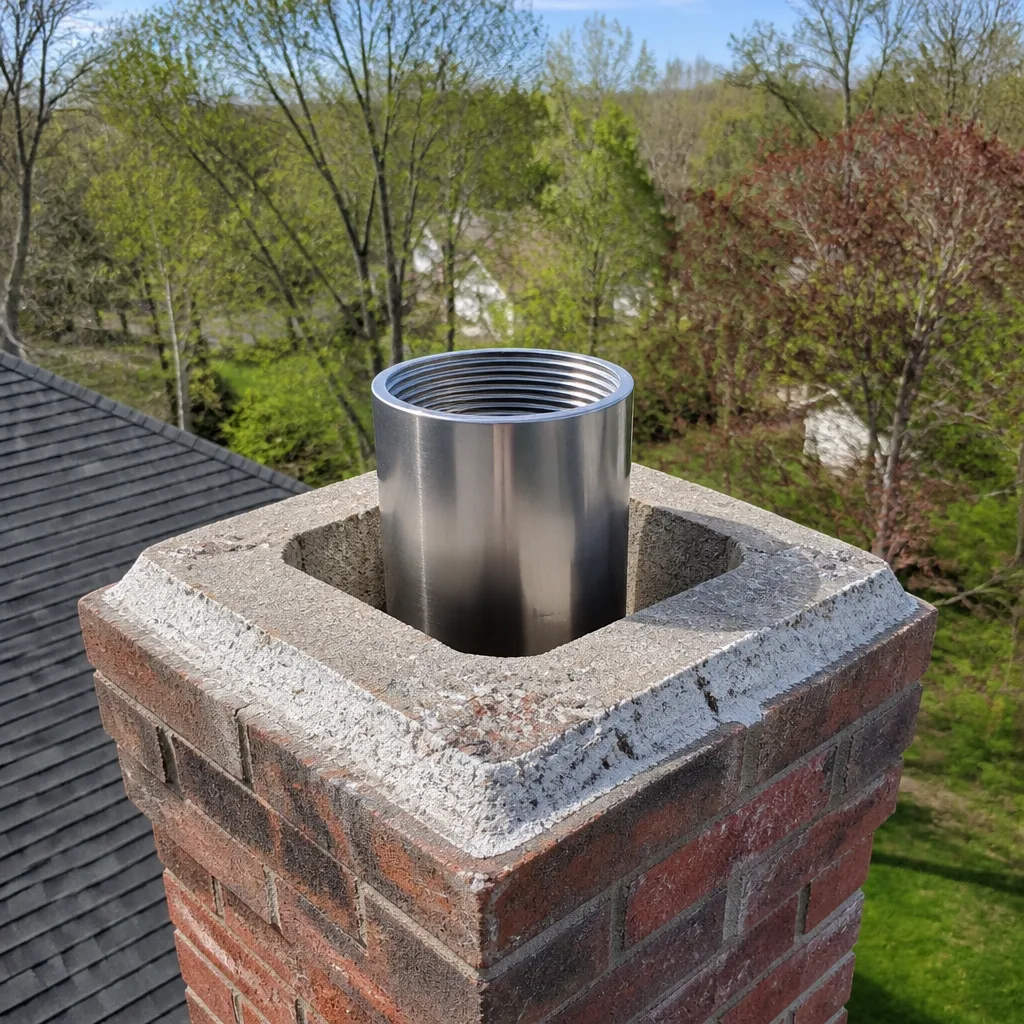 Flue relining
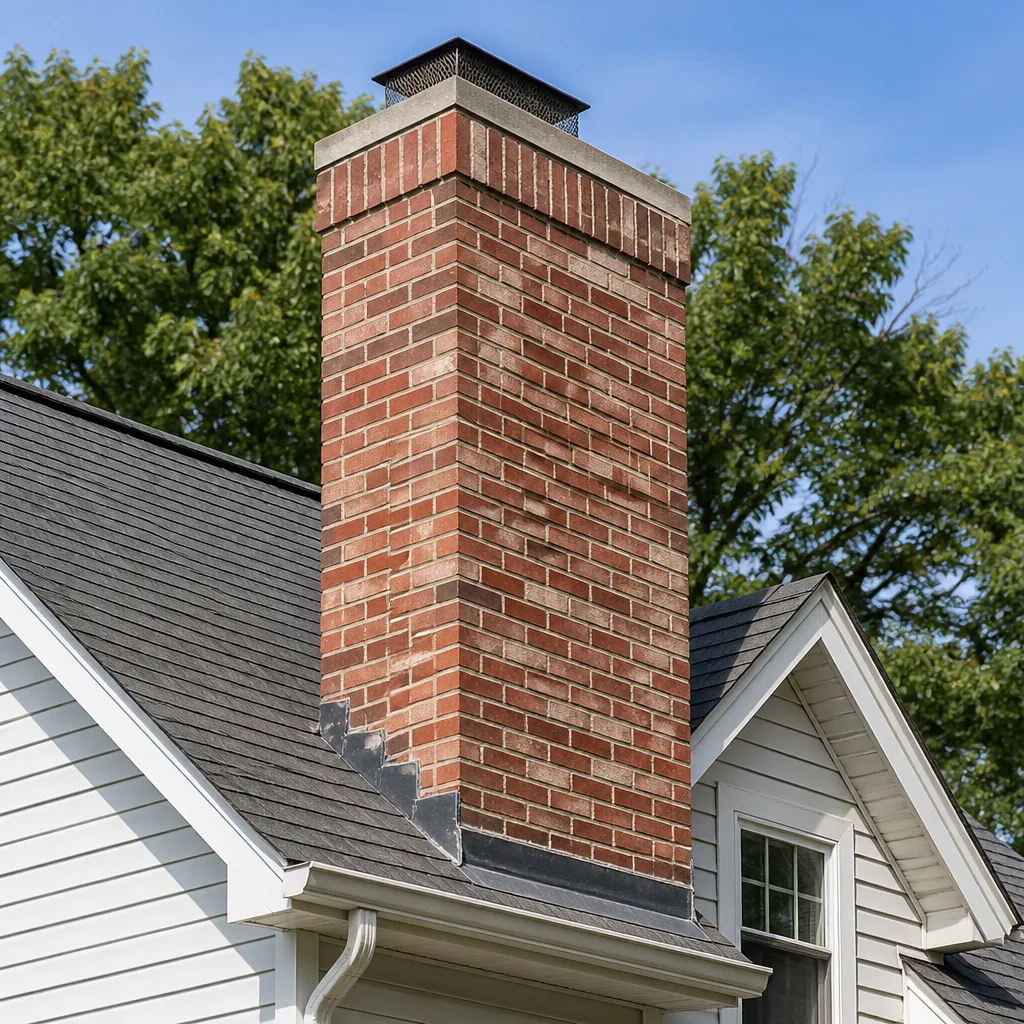 Masonry repair
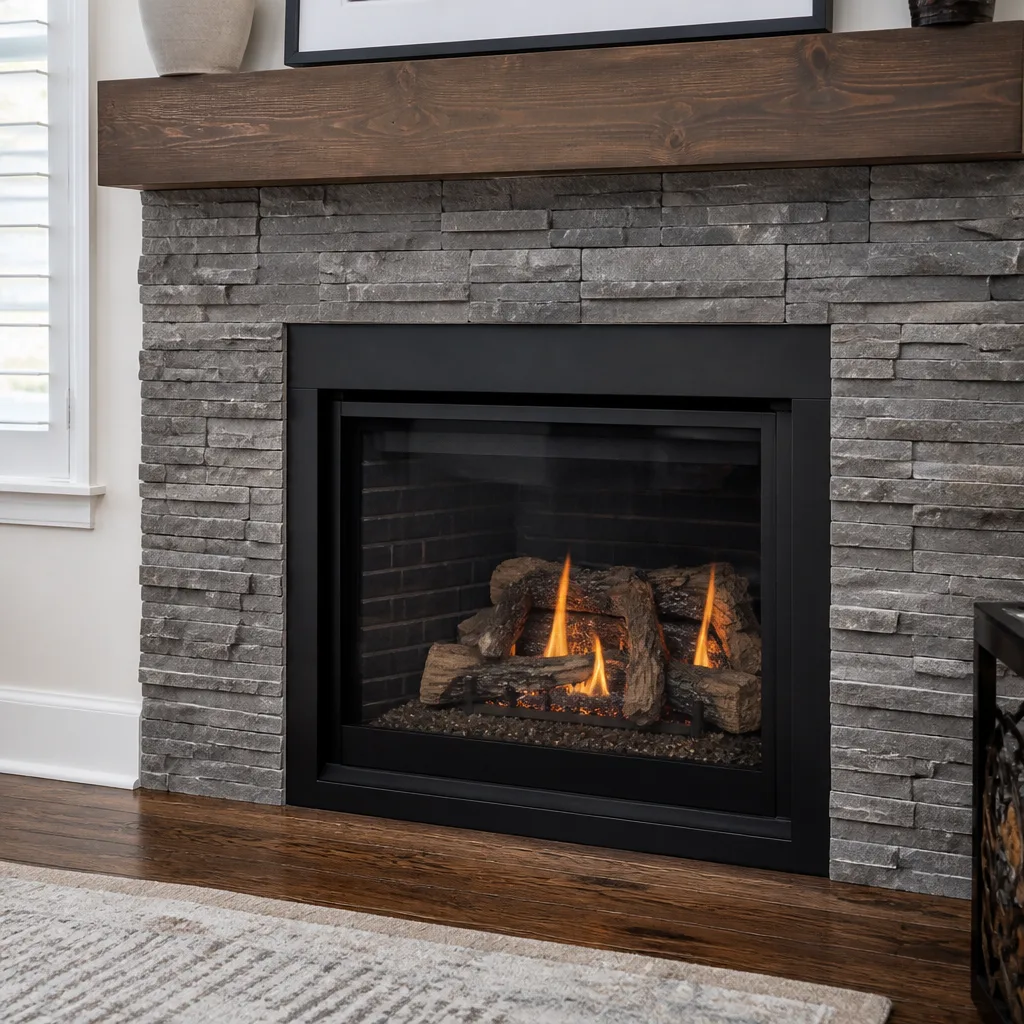 Gas fireplace service
Level 1 sweep and inspection to the NFPA 211 annual standard - flue, crown, cap, and flashing checked and photographed
Chimney sweep logs do not sweep chimneys. They loosen some creosote - which then falls where a brush and vacuum still have to collect it.
Chimney Cleaning Permits, Codes & Inspections in Laguna Niguel, CA: What You Need to Know
The most common misconception we hear about chimney work is that every visit from a chimney professional involves a permit. It doesn’t. A routine cleaning is maintenance, plain and simple, and no building department gets involved. But the line between maintenance and construction is thinner than most homeowners realize, and where that line falls depends on what’s actually being done inside your chimney. In this guide, we’ll walk through when an Orange County permit is required and when it isn’t, how NFPA 211 governs chimney systems in California, what a Level 2 inspection is and when you actually need one, and why unpermitted work becomes a real headache at resale. If you own a home in Laguna Niguel, this is the framework you want before you hire anyone.
Quick Answer
A chimney cleaning does not require a permit in Laguna Niguel or anywhere else in Orange County. Any work that changes the structure of the chimney system, however, typically does: a liner replacement, a new fireplace insert, cap and crown installation on some configurations, or structural chimney repair almost always requires a building permit issued by the City of Laguna Niguel. A Level 2 inspection is required whenever a chimney changes hands, changes fuel type, or has been through a chimney fire or seismic event. If you’re unsure which category your project falls into, ask before work starts.
Styles & brands we work with
- Sweep & inspection
- Caps & crowns
- Flue relining
- Masonry repair
- Gas fireplace service
Table of Contents
- Where the Permit Line Falls in Orange County
- How Title 24 Affects Fireplace and Insert Work
- NFPA 211: The Standard That Governs Your Chimney
- Level 2 Inspections: What They Are and When You Need One
- Unpermitted Work and the Escrow Problem
- Permitted vs. Unpermitted: The Real Cost Comparison
- What Makes Laguna Niguel Different
- How the Permit Process Actually Works
Where the Permit Line Falls in Orange County
Orange County building departments generally treat chimney cleaning as routine maintenance, which is why a standard annual chimney sweep doesn’t trigger a permit application. The work is a service, not a construction project. Where departments draw the line is at anything that alters the structure, the flue pathway, or the relationship between the chimney and the rest of the house. Put simply: if a technician is removing material and installing something in its place, expect to file.
The categories that typically require a permit in Laguna Niguel and the surrounding Orange County cities break down like this:
- Chimney cleaning and sweeping – no permit required. Maintenance only.
- Level 1, 2, or 3 inspections – no permit required. These are diagnostic services.
- Liner replacement – permit required in almost every jurisdiction. A new liner changes the flue system and must meet current code.
- Fireplace insert installation – permit required. The insert changes the appliance, the venting, and the clearances.
- Structural chimney repair – permit required if you’re rebuilding the crown, repairing the chase, or addressing masonry that’s pulling away from the house.
- Cap installation – varies. A simple top-mount cap often falls under maintenance. A full crown rebuild does not.
- New chimney or full rebuild – permit and inspections required throughout the build.
When we’re called for chimney repair, the first question we ask is what the homeowner has already had done. It saves everyone time to know whether a permit was pulled for previous work, because the answer changes how we approach the current job.
How Title 24 Affects Fireplace and Insert Work
California’s Title 24 energy code reaches into fireplace work in ways most homeowners don’t anticipate. The code governs how a home performs thermally, which means any project that changes how a fireplace or insert interacts with the building envelope is subject to Title 24 review, not just the local building code. In practical terms, when you install a new insert or replace an open fireplace with a sealed unit, the permitting process will require documentation that the appliance meets current efficiency standards and that the venting is correct for that specific model.
This matters for a few reasons. Older fireplaces in Laguna Niguel homes, particularly in neighborhoods developed through the 1980s and 1990s, often have open-hearth designs that don’t meet current standards. A homeowner who wants to keep the aesthetic but improve efficiency needs a compliant insert, and the insert needs to be permitted through the city. The documentation burden isn’t huge, but it’s real: manufacturer spec sheets, venting details, and clearance information all need to be part of the submittal.
What this means in practice is that a licensed installer has to be involved. A hand-built or field-fabricated installation won’t pass. When we install fireplace components for a fireplace repair project, we use manufacturer-sourced parts from brands like Olympia Chimney and DuraFlex, which brings the spec documentation into the job as standard practice. The product data exists because the manufacturer produces it for permitting. That’s part of what professional-grade components are for.
NFPA 211: The Standard That Governs Your Chimney
NFPA 211 is the national standard for chimneys, fireplaces, vents, and solid fuel-burning appliances. It is what every building department in California references when a chimney permit comes across the counter. Even where local amendments exist, NFPA 211 is the floor. Understanding what the standard requires is the best way to know whether a contractor is telling you something accurate or selling you something you don’t need.
Three areas of NFPA 211 come up most often in residential work:
- Clearances. Chimneys and vents must maintain specific distance from combustible materials. This includes inside the chase and at the roofline. A liner or stovepipe installed without the proper clearance to wood framing is a fire hazard regardless of how it looks from outside. Inspections verify those clearances when visible.
- Liner materials. The standard specifies what materials are approved for which appliance types, fuels, and temperature ranges. A wood-burning appliance needs a liner listed for wood. A gas appliance needs a liner listed for gas. Using the wrong one is the most common code violation we see in unpermitted work.
- Inspection intervals. NFPA 211 defines three inspection levels and the conditions for each. It also establishes the annual inspection and cleaning schedule recommended for solid fuel appliances that see regular use during the burning season.
We reference NFPA 211 in every inspection we do because it gives the homeowner a single external standard to check our work against. We’re not inventing recommendations. We’re reading the code that governs the system.
Level 2 Inspections: What They Are and When You Need One
A Level 2 inspection is a comprehensive evaluation of the entire chimney system, accessible portions of the flue, all connections, and the clearances. It’s performed with a camera and typically involves photos of the flue interior. It is not the same as an annual sweep, which cleans the flue and includes a basic visual check from the firebox or the roof.
Here’s when a Level 2 inspection is required:
- Any real estate transaction. The sale of a home, including a refinance or transfer, is a standard trigger. Most Orange County buyers will ask for it during the inspection period.
- After a chimney fire. Even a small chimney fire can damage the flue structure, warp a liner, or crack the masonry. The only way to know the extent is a camera-based inspection.
- After a seismic event. Southern California’s fault activity can crack chimney masonry, separate the flue from the chase, or damage the cap. A Level 2 inspection documents the condition.
- After a major weather event. Wind-driven damage, structural movement, or impact damage from falling debris can all affect the chimney system.
- When changing fuel type or appliance. Switching from wood to gas, or from wood to a pellet insert, requires the flue to be evaluated for compatibility.
- When a previous inspection found a problem and no repair was documented. A second Level 2 confirms whether the issue was actually addressed.
What separates a Level 2 from a Level 1 is scope and documentation. The Level 1 is a visual inspection from accessible points. The Level 2 goes inside the flue with a camera and produces photos you can keep. The Level 3 is a diagnostic inspection that opens concealed areas, and it’s rarely needed unless a Level 2 found something serious. For Laguna Niguel homeowners who are buying or selling a home, the Level 2 is the one that typically comes up.
A standalone Laguna Niguel chimney sweep service is not a substitute for a Level 2 inspection, and it’s important to know which one you’re being offered.
Unpermitted Work and the Escrow Problem
The reason unpermitted work matters so much in California has less to do with the current homeowner and more to do with the next one. When a home goes into escrow, the buyer’s inspector will look at the chimney. If they see a recent liner replacement, an insert, or structural repair that isn’t reflected in the permit history, the purchase can stall, the buyer can ask for a credit, or the sale can fall apart entirely.
Laguna Niguel homes move through the buy-and-sell cycle regularly. The city records are searchable, and escrow officers check them. When a permit is missing, you generally have three options:
- Retroactive permitting. Apply for a permit after the fact. This requires that the work be inspected, which may mean opening walls or exposing portions of the flue. Many jurisdictions require the work to meet current code, not the code in effect when it was done.
- Removal and rebuild. If the work cannot pass inspection as built, it may need to be removed and redone to current standards. This is the expensive outcome.
- Disclosure and price adjustment. Disclose the unpermitted work to the buyer and accept a lower sale price or a repair credit. This is a negotiating solution rather than a code solution, and it typically costs the seller more than the permit would have.
The gap between permitting properly upfront and correcting it at resale is significant. The permit fee itself is a minor line item compared to the labor involved in exposing and re-inspecting the work. If you’ve had a liner or structural repair done without a permit, it’s worth having the situation assessed before you list the home.
Permitted vs. Unpermitted: The Real Cost Comparison
Since we can’t quote exact permit fees (they’re set by the city and vary by project scope), we’ll frame this as a list of what’s involved in each path. The financial difference is not primarily the permit figure. It’s the cost of resolving the problem later.
Permitted work upfront:
- Permit application and fee paid to the city at the time of the project.
- Inspection scheduled during and after installation.
- Documentation of compliance held in city records.
- No surprises at resale.
- Insurance claims on any subsequent chimney event are based on compliant work.
Unpermitted work discovered later:
- Retroactive permit application and fee, often higher than the original.
- Exposure of concealed work to allow inspection, which may mean opening walls.
- Re-work if the installation fails current code.
- Possible escrow delay, buyer credit, or sale price reduction.
- Insurance claim complications if the cause of loss traces back to non-compliant work.
We install DuraFlex liners and Copperfield caps, both of which come with the manufacturer documentation that permits require. When we do a chimney repair that involves permit-triggering work, we recommend applying for the permit. The paperwork is not the hard part. The re-work later is.
What Makes Laguna Niguel Different
Laguna Niguel sits in a part of south Orange County where the building stock was largely developed over the last few decades, and that has implications for chimney systems. The canyon and hillside neighborhoods are exposed to onshore winds and dry atmospheric conditions that put stress on caps, crowns, and exterior masonry. The seasonal Santa Ana winds, combined with low inland humidity during much of the year, dry out exterior mortar and accelerate cracking along the crown and shoulders of the chimney.
Those conditions affect permit decisions. A cosmetic crack in the crown doesn’t need a permit. A crown that’s failing structurally, allowing water into the chase, does. Water intrusion from a failed crown is the single most common structural cause of chimney damage we see in this part of Orange County, which is why we argue for a proper crown rebuild rather than a patch when the damage is through the masonry. Famco and Copperfield make the components we use for this work.
The other local factor is the housing vintage. Many Laguna Niguel homes were built with the fireplace as a decorative feature rather than a functional heating source, and the original chimneys were designed accordingly. That means the flue lining and the clearances were often set for occasional fires, not for the regular burning that many homeowners now do. If your family uses the fireplace regularly during the cooler months, the system is doing more work than its original design anticipated, and an inspection is a reasonable step.
Our technicians have up to 12 years of experience working on South Orange County chimney systems. We’ve seen the differences between the neighborhoods, and we know what the city looks for in a permit submittal.
How the Permit Process Actually Works
The permit process for a chimney project is more straightforward than most homeowners expect. The steps follow a predictable pattern, and if a contractor is proposing to skip them, that’s the warning sign worth paying attention to.
- Determine the scope. The licensed contractor identifies what work is being done and whether it triggers a permit. Cleaning and inspection typically don’t. Liner replacement, insert installation, and structural repair typically do.
- Prepare the submittal. Manufacturer specification sheets, clearance details, venting diagrams, and the scope of work are assembled. This is where brand-name products matter, because the documentation is already in hand.
- Submit to the City of Laguna Niguel. The permit application goes to the building department. Some minor items can be handled over the counter, and others need plan review.
- Receive the permit and start work. Installation begins after the permit is issued. The contractor and the homeowner both keep a copy of the approved permit.
- Schedule inspection. Once the work is complete, the city inspector reviews the installation. For liner work this usually means checking clearances, connections, and documentation. For structural work it means inspecting the masonry and the crown.
- Close the permit. After a passing inspection, the permit is closed and the city record reflects the completed work. That’s the documentation that survives to the next sale.
The timeline is set by the city, and it varies. For most chimney permits the process moves faster than a full remodel, because the scope is well-defined and the submittal is small. What matters is that all five steps happen. A permit that’s issued but not inspected may still show up as open at resale, which creates the same problem as no permit at all.
Common Mistakes to Avoid
- Assuming a liner replacement doesn’t need a permit. This is the single most common permit failure we see. A new liner changes the flue system, and every Orange County jurisdiction we work in requires it to be permitted. Save yourself the resale headache.
- Accepting a sweep as a substitute for a Level 2 inspection. These are different services with different scopes and different documentation. A cleaning is routine maintenance; a Level 2 is a documented evaluation. When you’re buying a home in Laguna Niguel, you need the second, not the first.
- Hiring a generalist contractor for chimney work. Chimney work is a specialty, and the code compliance side (NFPA 211, Title 24) is specific to the trade. A handyman who installs a liner without a permit is leaving you with the liability.
- Using a field-fabricated cap or crown. We see this often enough to mention it specifically. A custom-built cap fabricated on-site almost never meets the manufacturer documentation that permits require, and it tends to fail sooner. Use manufacturer-sourced components.
- Skipping the inspection after the installation. An open permit that was never signed off still shows up at resale. The job isn’t done until the city has inspected and closed it.
- Patching a structural crown instead of rebuilding it. In Laguna Niguel’s dry-weather climate, a patched crown tends to crack again within a season or two. If the crown has failed through the masonry, a rebuild is typically the right answer.
- Letting work proceed without written documentation of what was done. Keep the permit number, the inspection report, and the manufacturer documentation. Future buyers, insurers, and inspectors will ask for them.
See the difference
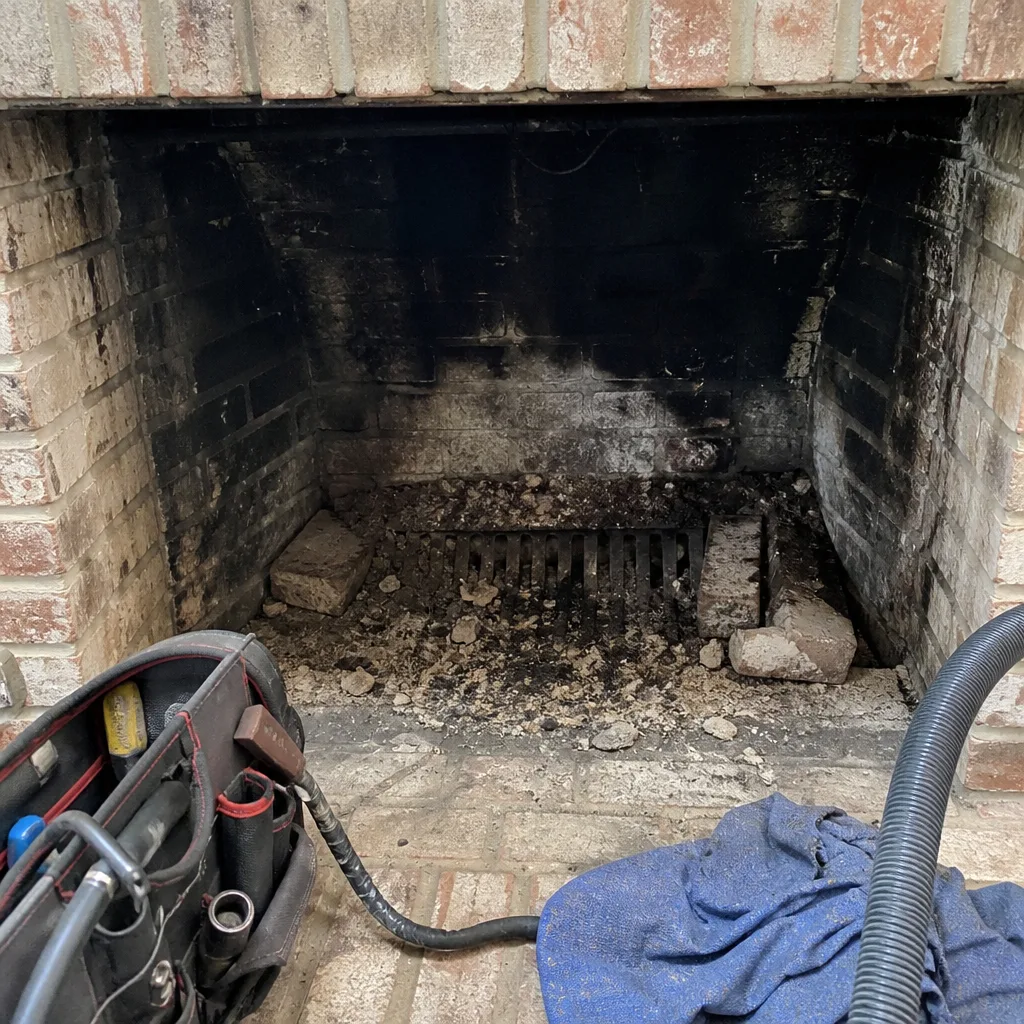 Before
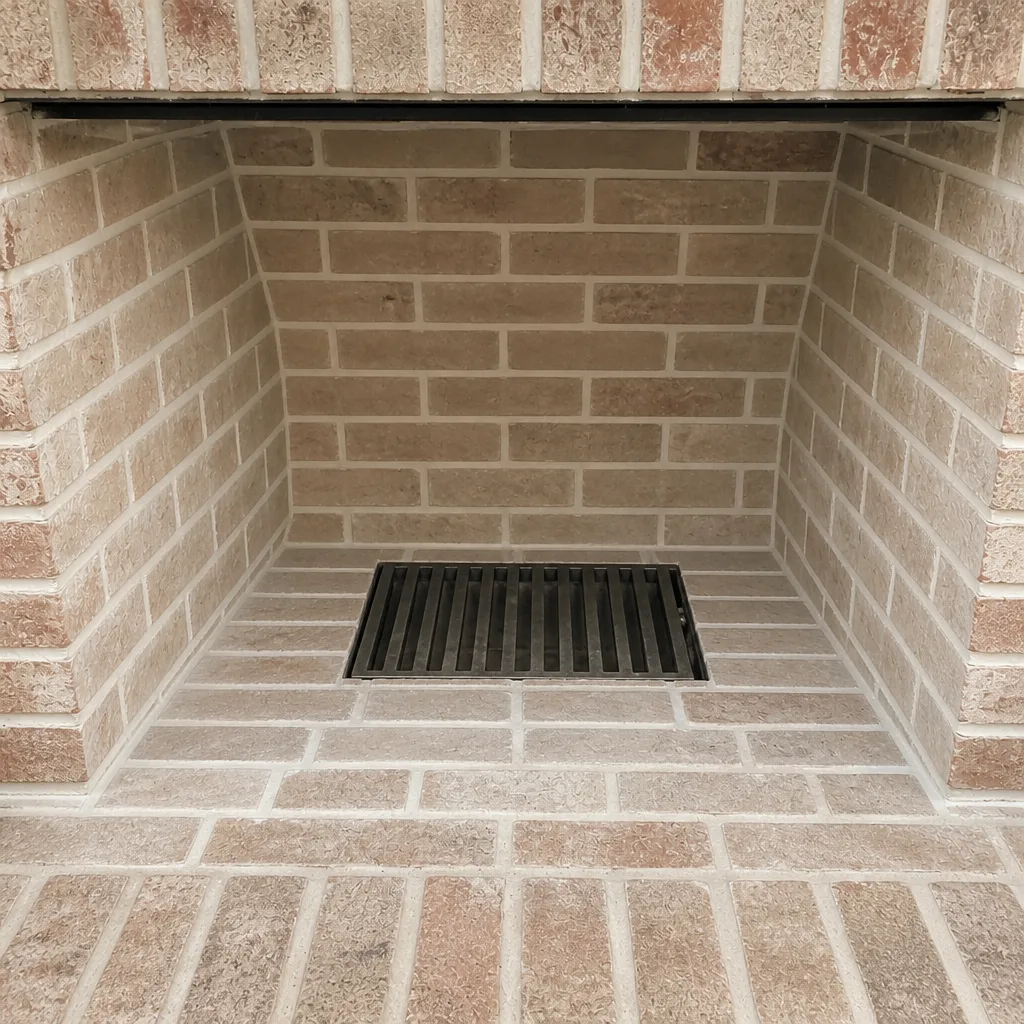 After
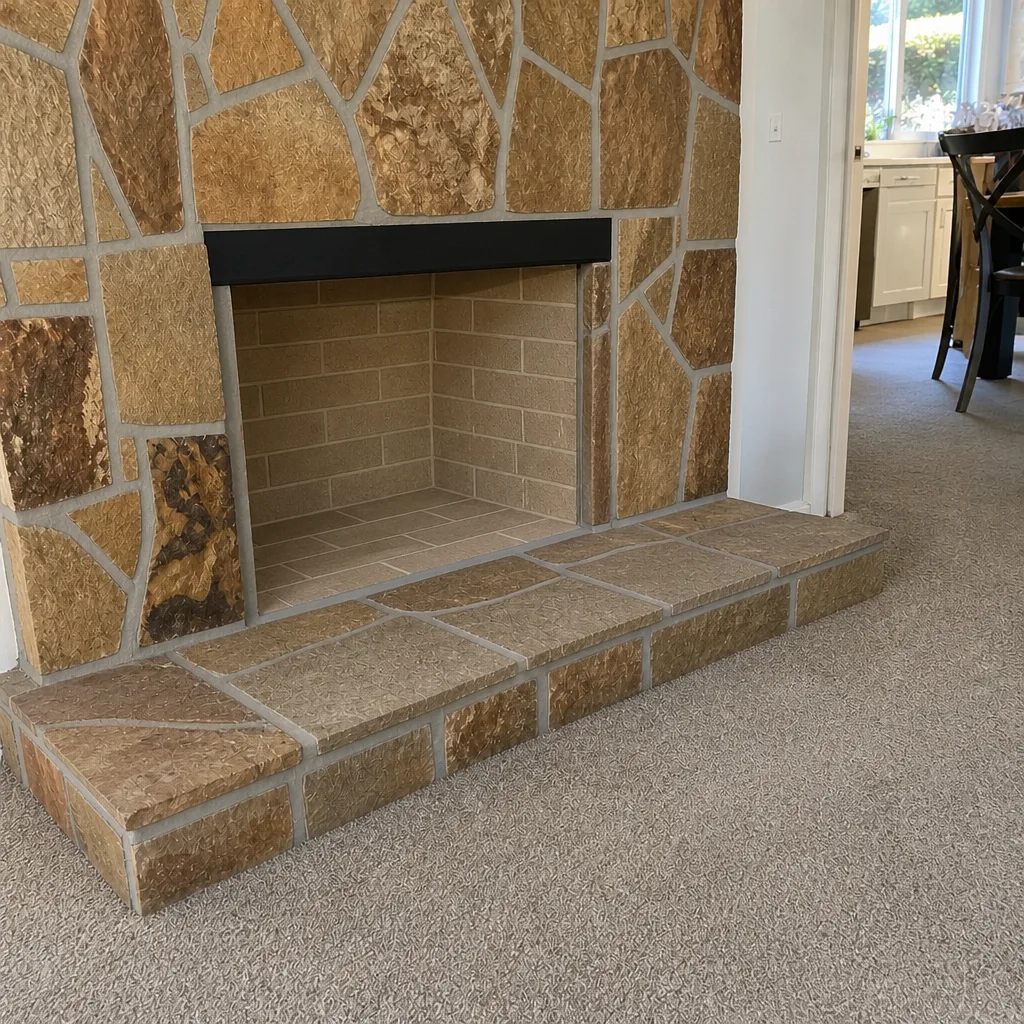
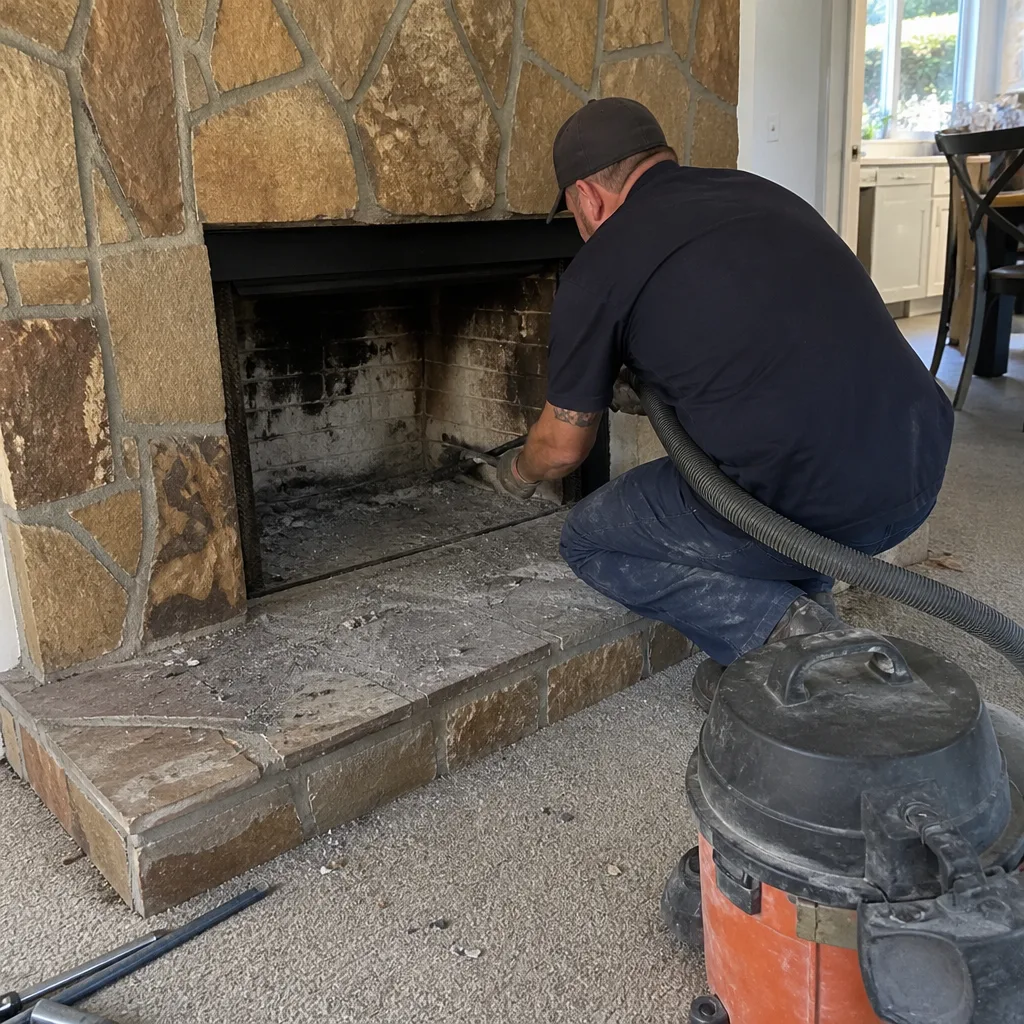 Before
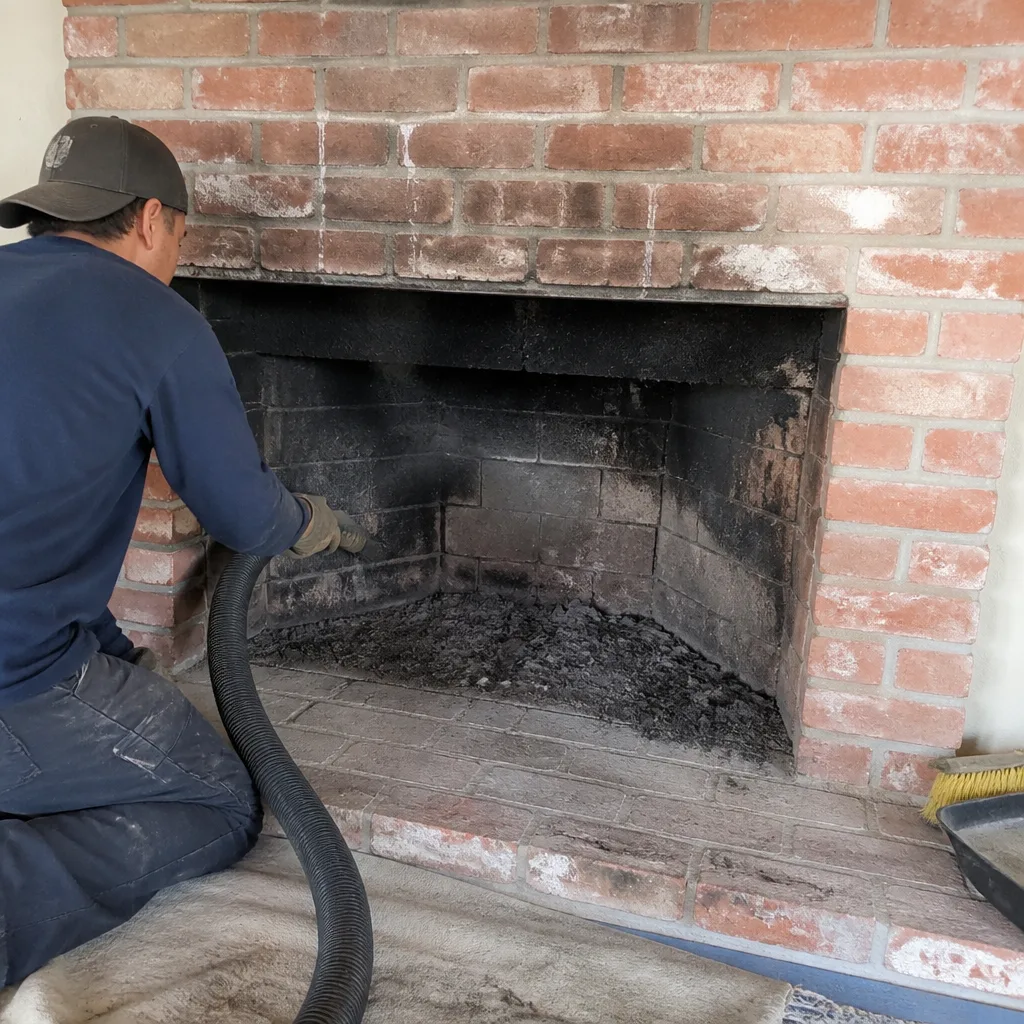
 After
 Before
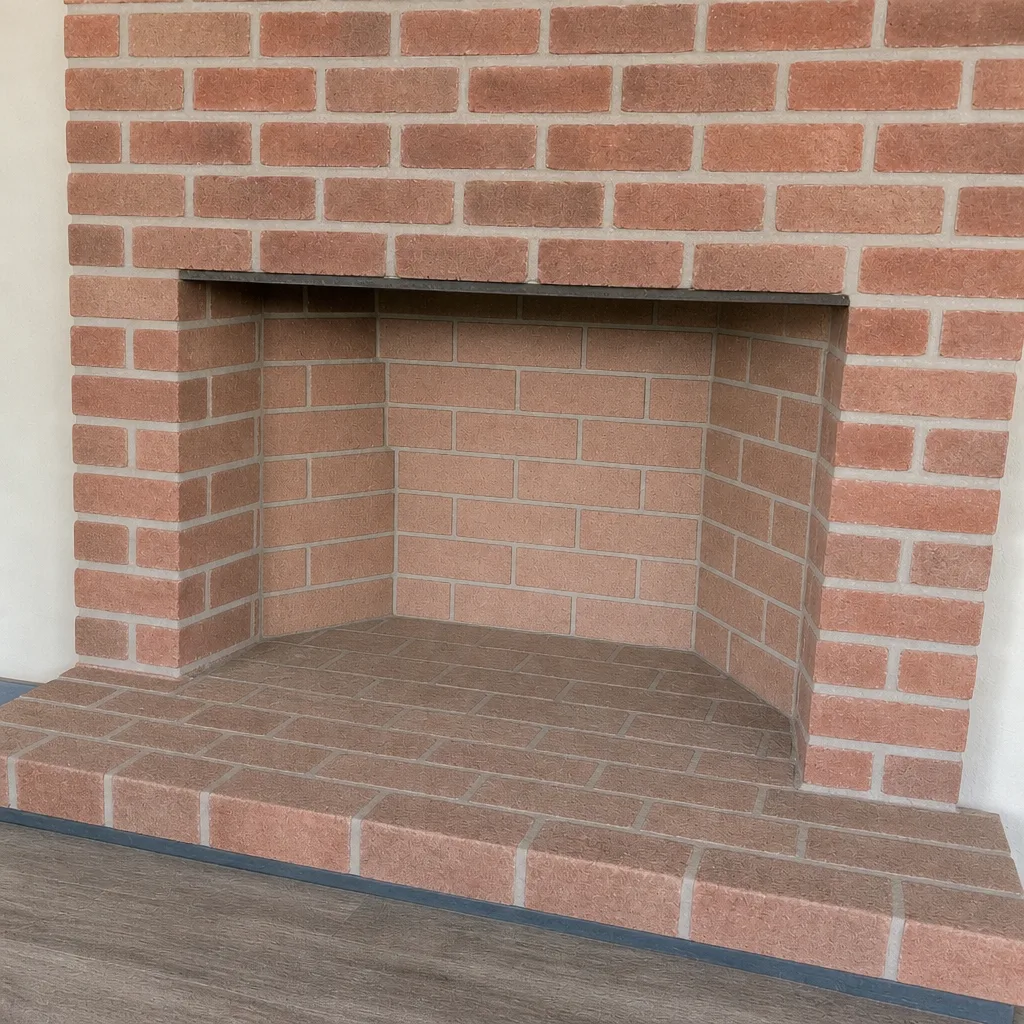 After
When to Call a Professional
Most chimney work on a Laguna Niguel home belongs in the hands of a specialist, but a few situations are unambiguously the moment to call. If your chimney has been through a chimney fire, a seismic event, or visible structural movement, stop and get a Level 2 inspection before using the fireplace again. If you’re buying or selling a home and the inspection period has started, the Level 2 needs to be scheduled now. If you’ve noticed water staining on the interior chase, cracked masonry at the crown, or rust in the firebox, the underlying problem is likely structural and needs a professional assessment. And if a previous contractor did work without a permit, get it documented before you list the home. Laguna Niguel Chimney Sweep Pros offers free estimates in Laguna Niguel and can schedule an inspection promptly. Call (855) 594-8044. We answer 24/7. Fast dispatch from 7am to 7pm, Sunday through Friday.
Frequently Asked Questions
No. A routine chimney cleaning is classified as maintenance and does not require a building permit in Laguna Niguel or anywhere in Orange County. Permits become relevant when the work changes the structure of the chimney system, such as a liner replacement, insert installation, or structural repair. If you’re not sure which category your project falls into, ask the contractor before scheduling. Call (855) 594-8044 for an exact quote. Estimates are free.
A sweep cleans the flue and provides a basic visual check from accessible points. A Level 2 inspection is a documented, camera-based evaluation of the entire chimney system, including the flue interior, all connections, and clearances. The Level 2 produces photos you can keep and is required for real estate transactions, after a chimney fire, or after a seismic event. Both are services we offer separately.
It’s not state-mandated, but it is nearly universal in practice. Most buyers and their inspectors will ask for one during the inspection period, and lenders sometimes require it. The inspection documents the condition of the chimney at the time of sale, which protects both sides. A missing Level 2 often results in the buyer requesting one and the seller paying for it anyway. Call (855) 594-8044 and we’ll schedule the inspection.
The work may pass as installed, but the missing permit shows up at resale. The buyer’s inspector will note it, the escrow can stall, and the correction typically costs more than the original permit would have. Retroactive permitting requires the work to pass current inspection, which may mean opening walls or re-doing the installation. It’s almost always cheaper to permit correctly the first time.
NFPA 211 recommends an annual inspection for any chimney that sees regular use during the burning season. If you burn frequently, an annual sweep plus a Level 1 inspection is the baseline. A Level 2 inspection is needed any time the chimney changes hands, has been through an event, or if the annual inspection finds something that warrants a closer look. Annual service is the least expensive way to prevent a large repair.
In most Orange County jurisdictions, a homeowner can apply for certain permits as an owner-builder, but the installation still has to pass inspection and meet current code. Title 24 compliance, venting requirements, and clearance documentation all apply. We recommend a licensed installer for any insert work because the inspection process is more likely to go smoothly and the documentation is part of the job. Call (855) 594-8044 to discuss your project.
The Bottom Line
Chimney cleaning doesn’t need a permit. Chimney repair, liner replacement, and insert installation almost always do. That’s the line, and knowing where it falls protects you from the escrow problem, the retroactive permit headache, and the insurance complication that comes from unpermitted work. If you’re in Laguna Niguel and you’re planning chimney work of any kind, start with a free estimate. We’ll tell you what the project needs, how the permitting works in your case, and what it’ll cost. Call (855) 594-8044 today. We answer 24/7. Fast dispatch from 7am to 7pm, Sunday through Friday.
Written by the team at Laguna Niguel Chimney Sweep Pros.