
Last updated November 25, 2026
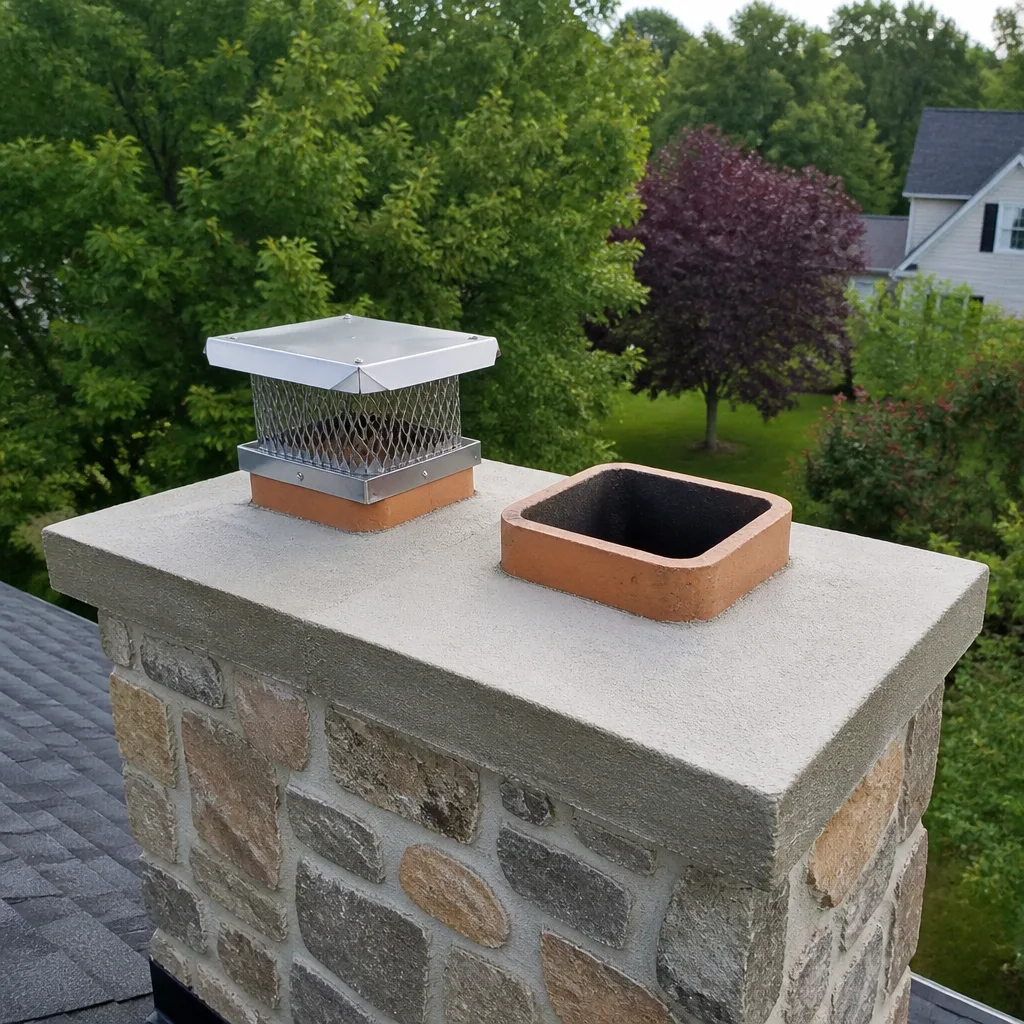 Sweep & inspection
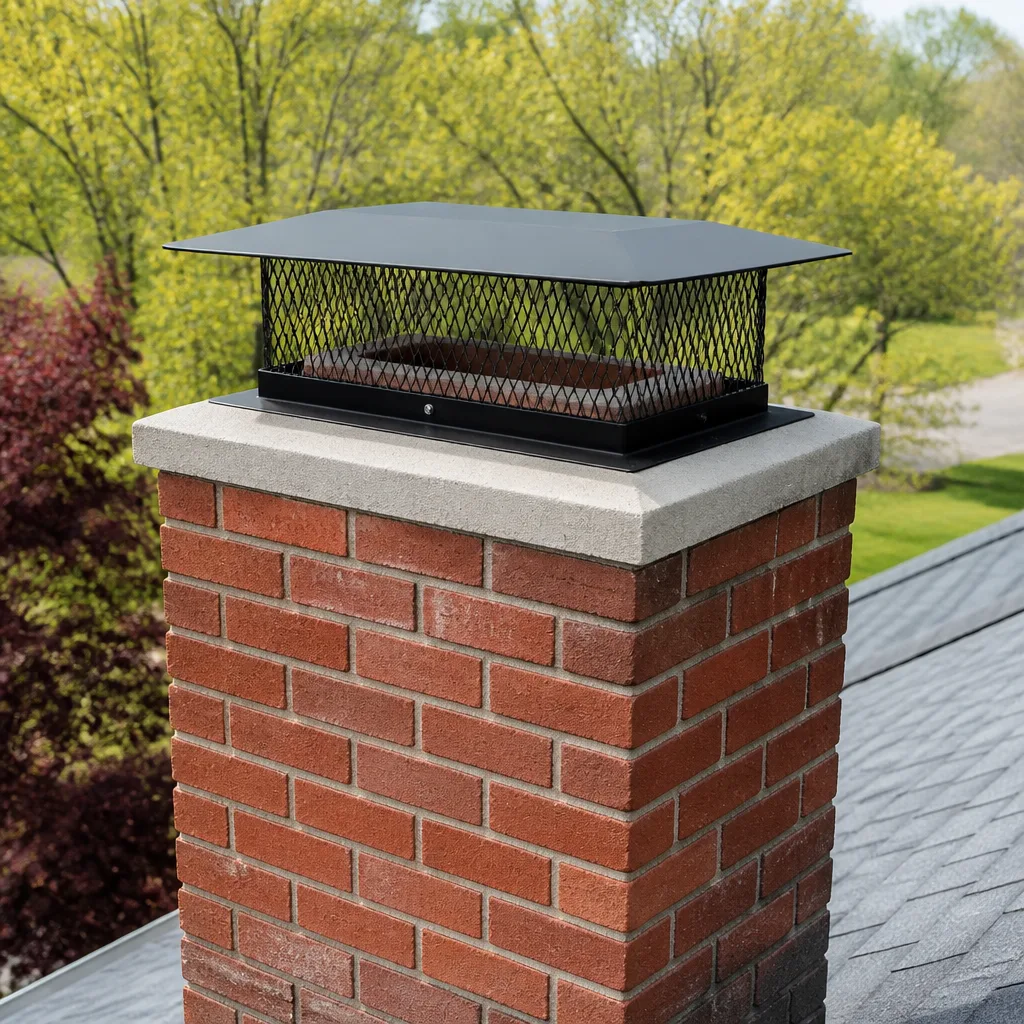 Caps & crowns
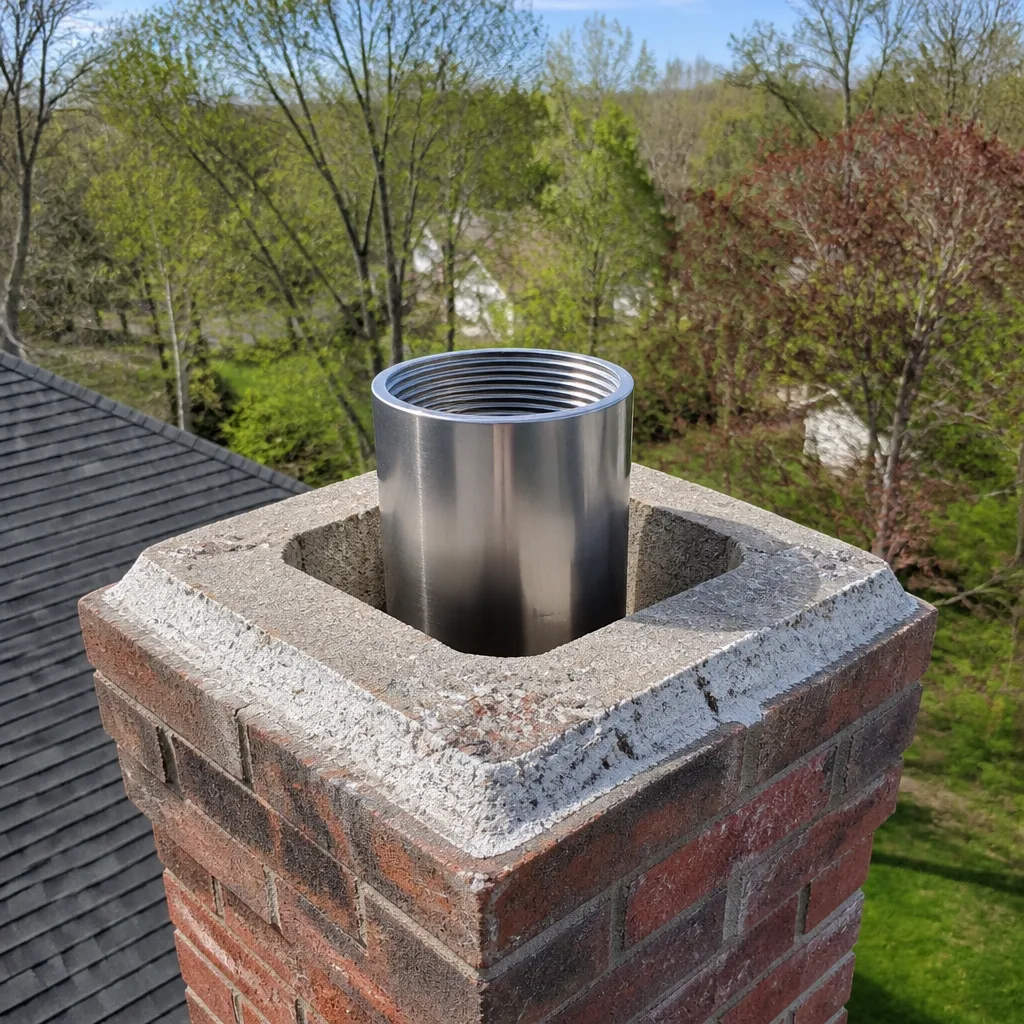 Flue relining
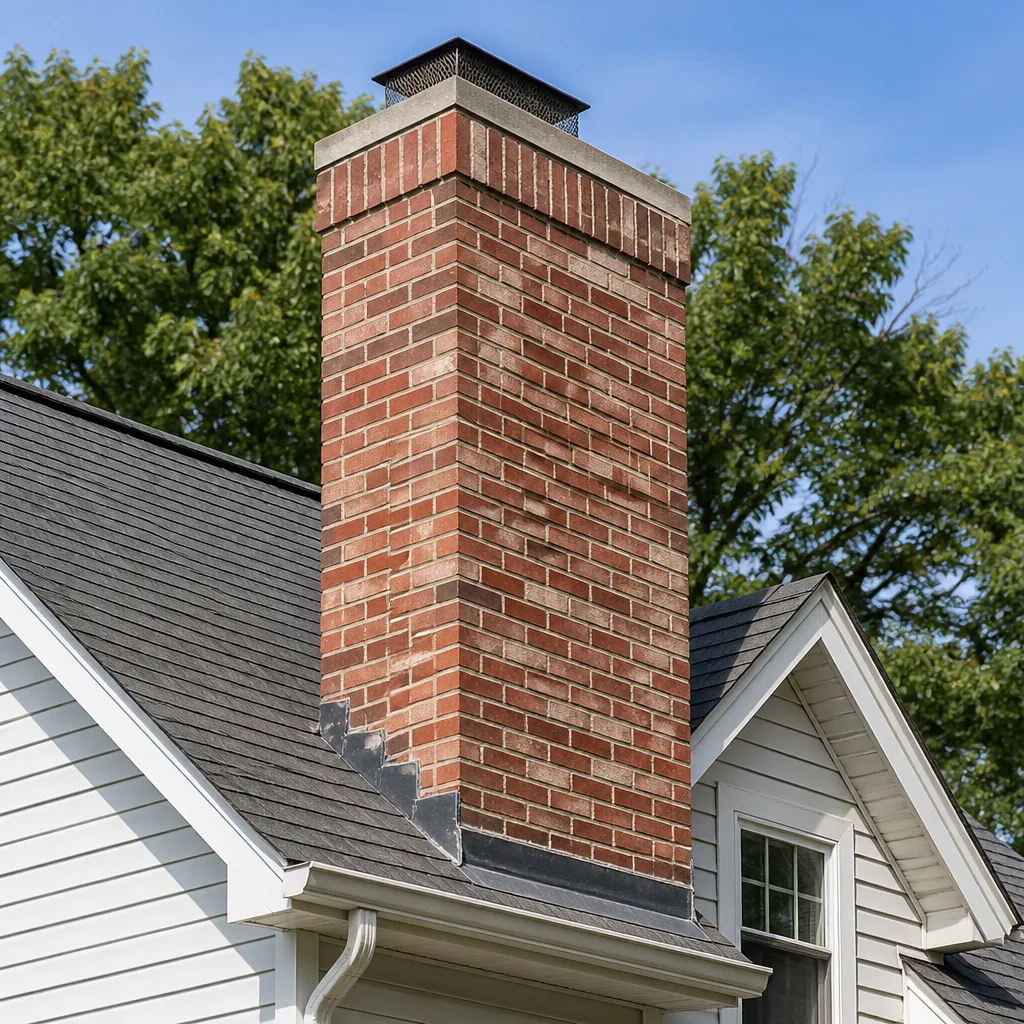 Masonry repair
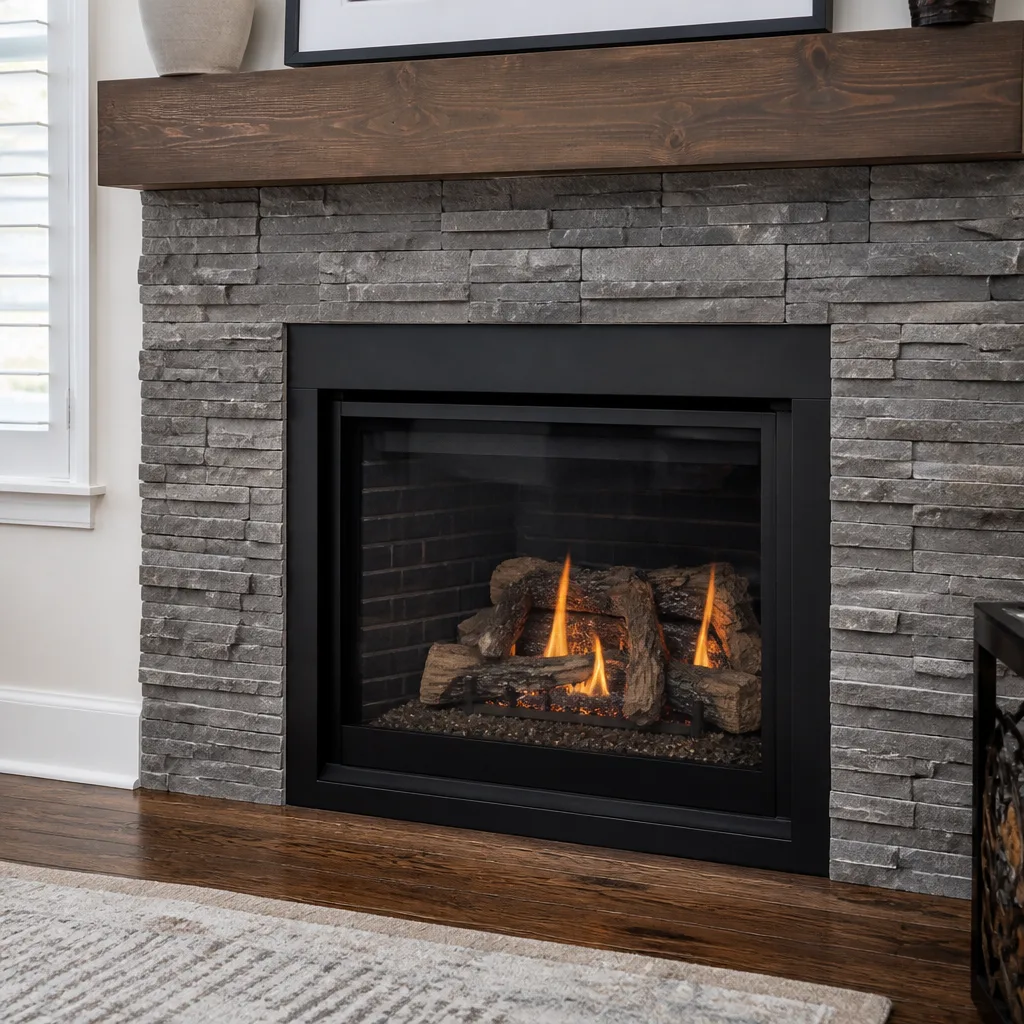 Gas fireplace service
Level 1 sweep and inspection to the NFPA 211 annual standard - flue, crown, cap, and flashing checked and photographed
Chimney sweep logs do not sweep chimneys. They loosen some creosote - which then falls where a brush and vacuum still have to collect it.
The Complete Guide to Chimney Cleaning in Laguna Niguel
Most Laguna Niguel homeowners light their fireplace fewer than 20 times a year. In a place where the afternoon rarely drops below sweater weather, that seems like permission to skip the annual sweep. It’s actually the opposite. Light, occasional fires are exactly the pattern that builds thin, sticky, acidic creosote that never gets hot enough to burn off, and coastal air works on the flue between fires. This guide covers what chimney cleaning in Laguna Niguel really involves: how the local climate changes the job, what the tract-home chimneys here are built like, and how to tell a real cleaning from a quick brush-and-go.
Quick Answer
Chimney cleaning in Laguna Niguel means removing soot, glaze and creosote from the firebox and flue, then inspecting the full system – firebox, damper, flue, liner, cap and crown – for moisture or structural damage. Here, mild winters and occasional fires mean creosote builds slowly but moisture damage builds steadily. A cleaning should include a visual inspection and a report of what we found, not just a bill for a brush.
Styles & brands we work with
- Sweep & inspection
- Caps & crowns
- Flue relining
- Masonry repair
- Gas fireplace service
Table of Contents
- Why a Mild-Climate Chimney Still Needs Cleaning
- How Creosote Forms When You Only Light a Few Fires
- What Laguna Niguel Tract-Home Chimneys Are Built Like
- What a Level 1 Inspection Actually Covers
- How Coastal Air Affects Mortar, Chase Covers and Caps
- What a Professional Cleaning Looks Like, Step by Step
- What Chimney Cleaning Costs in Laguna Niguel
- How Often You Actually Need It
Why a Mild-Climate Chimney Still Needs Cleaning
A fireplace in Laguna Niguel spends most of the year dormant. The heating season is short, the days are mild, and a cozy fire is a weekend pleasure rather than a necessity. That low-use pattern changes the chemistry inside the flue in ways that cold-climate chimney guides never address.
In a cold climate, a chimney runs hot and often. Frequent, hot fires burn off a good share of the softer deposits before they accumulate. In Laguna Niguel the opposite happens. Each fire produces a modest amount of smoke, the flue warms up, then the fire goes out and the flue cools for days. Soot and condensed wood-gas settle and stay. Nobody is burning them off. Over a season, a few dozen short fires leave a thin, even coat of stage-1 creosote on the flue walls.
Stage-1 creosote is flaky and soot-like. It’s the most common deposit we find in Laguna Niguel, and it’s also the easiest to remove – which is good news. The reason to stay after it is that deposits are cumulative. A season that adds a thin layer becomes three seasons worth of buildup, and the interior of the flue narrows. That’s when drafting gets sluggish and the fire smokes back into the room.
The other driver is moisture. Even a dormant chimney is a tall, cool tube with open ends, and humid air moves through it. Creosote that has picked up moisture becomes acidic, and the steel or masonry behind it suffers. Cleaning removes the fuel and the acid-carrying film, and the inspection that follows catches the damage while it’s still minor. For a full sweep tailored to this climate, a proper chimney sweep is where most homeowners start.
How Creosote Forms When You Only Light a Few Fires
Creosote is the byproduct of incomplete combustion. Wood doesn’t burn all at once. The volatile gases released when wood heats up either burn in a hot fire or condense on a cool flue wall as a sticky, tar-like film. It’s a simple rule: the cooler the flue, the more deposits.
The most common setup in Laguna Niguel is a fireplace that gets lit on a cool evening and burns for two or three hours. That’s enough to produce smoke, but rarely enough to keep the flue hot for long. The result is what technicians call a “cold-start chimney.” It builds deposits more efficiently than a heavily used fireplace in a colder climate.
There are three recognized stages of creosote, and each behaves differently:
- Stage 1: Flaky, soot-like deposit, easy to brush out. This is what most Laguna Niguel flues carry.
- Stage 2: Harder, tar-like crust that clings to the wall and needs more work to remove.
- Stage 3: Glazed, dense, fuel-rich coating that can be very difficult to brush and is a genuine fire hazard.
How you burn determines which stage you build. Seasoned wood, a hot fire, and a fully open damper all reduce deposit buildup. Green or damp wood, a smoldering fire, and a half-closed damper all accelerate it. A fireplace used fewer than 20 times a year with wet wood on a cold flue can build more creosote than a fireplace used every night with dry wood. The frequency is less important than the conditions.
This is why the answer isn’t “skip the cleaning.” It’s “sweep on a schedule that matches how you actually burn.” For a homeowner whose fireplace sees a handful of fires each year, the deposit load may be light but the moisture exposure – and the chimney-structure wear it causes – still needs checking. If you’re unsure which situation you’re in, an inspection is the honest starting point.
What Laguna Niguel Tract-Home Chimneys Are Built Like
A large share of homes in Laguna Niguel went up in the 1975 to 2000 window. That building era has recognizable chimney patterns, and knowing them tells you a lot about how cleaning access and liner condition usually shake out.
Many of these homes use a prefabricated metal fireplace with a factory-built flue – a metal chimney inside a framed chase, not a brick stack rising from the roof. Others use a masonry fireplace with a clay tile liner set into the chimney. Both appear in the same neighborhoods. Which one you have decides how a cleaning is done and what tools it needs.
A factory-built flue is usually straight and round or oval. A chimney brush sized to the flue does the job cleanly. The liner is a thin stainless-steel wall, and once it’s damaged from moisture or heat stress, patching isn’t an option; it gets relined. That’s where a flexible liner that can follow the run of the flue matters. The DuraFlex system is designed to follow bends and offsets that rigid pipe can’t navigate, which is why we use it.
Masonry chimneys with clay tile liners bring a different set of common problems. The clay tiles crack. The mortar joints between them erode. Their rectangular shape is harder to brush thoroughly than a round flue because the brush leaves the corners. And older masonry chimneys sometimes have an offset – a jog in the flue – which complicates both cleaning and any relining. A flexible liner handles the offset; rigid pipe usually can’t.
Access is the final variable. A chimney on the side of the house with a clean roof approach sweeps easily. A chase mounted on an interior wall may need to be worked from the top only. The right way to know your own setup is to have it looked at from both the roof and the firebox. For structural repair that comes out of that inspection, our chimney repair team handles the same job, so you’re not fielding referrals to a different company.
What a Level 1 Inspection Actually Covers
Most homeowners assume the annual inspection takes a close look at everything. It doesn’t. A Level 1 inspection is a specific, defined set of checks, and knowing exactly what it covers – and what it doesn’t – keeps you from thinking you’re covered when you aren’t.
A Level 1 inspection is the standard inspection done on an accessible chimney when the appliance has been used normally. It’s visible, non-invasive, and aimed at catching the obvious problems without tearing anything apart. A proper Level 1 inspection checks:
- Firebox panels, joints and mortar for cracks or gaps
- Damper operation – does it open and close fully
- Smoke chamber and the visible portion of the flue, checked with a flashlight and mirror or camera
- Creosote level inside the flue and how much of it you have
- Chimney cap – is it intact and attached
- Crown – for cracking, gaps or separation from the flue
- Exterior chase or chimney masonry, looking for spalling mortar or water stains
- Obvious signs of moisture intrusion, such as staining or rust
What a Level 1 doesn’t do is inspect inside concealed spaces, run a camera for the full length of a hidden flue, or open a wall to check framing. That’s a Level 2 (camera-based, recommended after a chimney fire, a structural event, a change of appliance, or the sale of a home). A Level 3 is invasive and rare.
Here’s where a lot of homeowners get surprised: the “inspection” promised as free with a cheap cleaning is often a quick visual scan of the firebox only. If you haven’t had a real Level 1, ask what was actually documented. In our experience, most of the real problems we find in Laguna Niguel homes – a hairline crack in a firebox panel, a cracked crown, a rusting cap – are visible during a proper Level 1 and don’t require more than a written report and photos. An inspection is a standalone service with us, not just a pretext for selling you a cleaning.
How Coastal Air Affects Mortar, Chase Covers and Caps
Chimney failure isn’t only about interior fire and creosote. A large share of the damage we look at on exterior chimneys is water and air, working slowly on mortar, caps and crowns. The moisture in the air around this area’s chimneys is one continuous variable, and it acts on the outside of the system all year.
Mortar joints on an exterior masonry chimney are exposed to sun, temperature swings, and damp air. Moisture gets into hairline cracks, sits, and the freeze-and-thaw is not the problem here – it’s the constant wetting and drying. The mortar turns to powder over time, and the bond between brick and mortar weakens. You see it as sandy grit on the roof or as loose brick faces.
Chase covers – the metal or wood cap capping a prefab chase – take a beating on the exterior of Orange County tract homes. Where a chase cover isn’t sealed, water runs down the outside of the flue pipe, rusts the firebox, and works down into the framing. A properly installed stainless cover with a sealed edge, made from manufacturer-sourced components rather than field-fabricated sheet metal, is the fix. Famco caps and Gelco components are what we stock and install for this exact job.
The chimney cap – the hood at the top that covers the flue opening – is the other common failure point. A damaged or missing cap lets water down the flue every time it rains, and lets birds and debris into the flue. It should be inspected every year. On coastal-facing exposures, the flashing and the mortar around the cap need the same attention. If your cap is missing or damaged, get it replaced before winter rain. Our Laguna Niguel chimney sweep pros handle caps and crowns alongside sweeps, so the exterior work gets checked the same visit.
What a Professional Cleaning Looks Like, Step by Step
A proper cleaning has a defined procedure, and if you can picture it, you can verify it was actually done. A brush down the flue and a bag of soot doesn’t tell you whether the firebox and damper got checked, or whether anyone looked at the cap.
Here’s the sequence a proper clean follows, from the firebox up and back down:
- Protect the room. Drop cloths on the floor and a plastic sheet on the surround, so soot and dust stay inside the firebox.
- Inspect first, then clean. A quick Level 1 check before the brush goes up. Creosote level and existing damage shape how the cleaning is done.
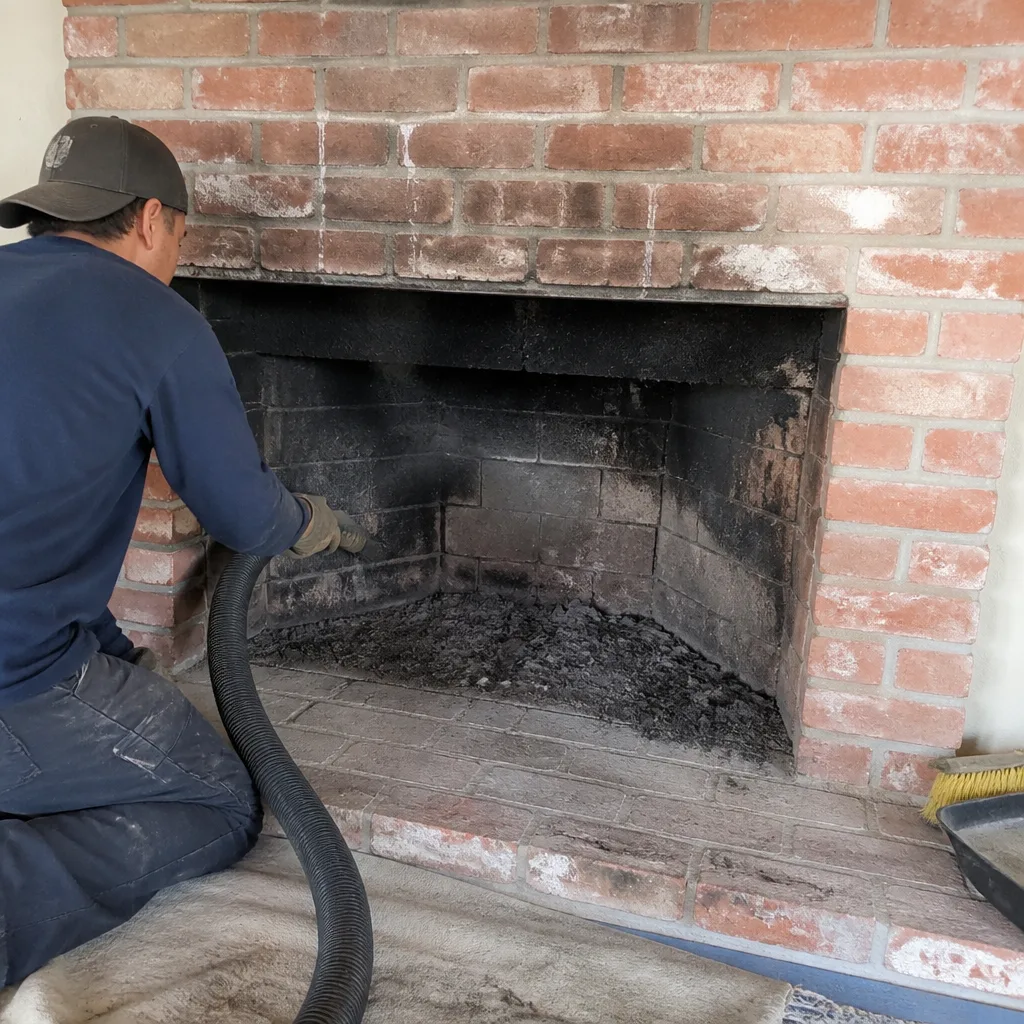
- Set up containment. A high-volume vacuum with a sealed connection to the firebox opening, so the firebox stays under negative pressure while brushing. This is why no soot escapes into the room.
- Brush the flue from the roof or the base. A brush sized to the flue interior, worked top-down or bottom-up depending on the setup. The job takes the right brush for the flue’s shape: round for round flue, custom brushes for rectangular clay liners.
- Clean the firebox, damper and smoke shelf. Soot builds on the smoke shelf and the damper, not just the flue. This is part of the cleaning, not an extra.
- Vacuum and wipe-down. The area is wiped clean, and the vacuum runs through any remaining dust.
- Inspect and report. A final Level 1 inspection, photos of what was found, and a written description of any issues – with an honest note on which ones can wait.
Two things you can check: did they protect the room, and did you get a written report? A technician who skips the report is likely skipping part of the inspection. For a full-service cleaning like this at a Laguna Niguel home, the firebox, damper, smoke chamber and flue are all part of the job – from the firebox to the cap.
What Chimney Cleaning Costs in Laguna Niguel
A standard chimney sweep in this area typically runs a moderate flat fee, and an inspection is usually priced separately unless it’s bundled into the cleaning. Prices vary by flue type and access, and a written estimate sets the final figure. For an accurate number for your chimney, the estimate is free.
What drives the range is the type of chimney, how much creosote is in it, and whether anything needs repair attention:
- A straightforward factory-built flue: the base rate for a sweep plus Level 1 inspection.
- A masonry chimney with a clay tile liner: a small step up, because the brush work and time are more.
- A flue with heavy or glazed creosote: priced by the scope, because removal takes longer and different tools.
- Repairs spotted during the inspection: quoted separately, with a written estimate before any work, and nothing is recommended without photos or camera evidence you can see.
What we won’t do is quote a cleaning and then surprise you with a repair you never saw. The honest order is: clean it, show you what’s actually there, then let you decide. If work can safely wait a season, we say so. Occasionally, what a homeowner thinks is a cleaning-only job turns out to need a repair – a cracked crown or a damaged liner – and that’s the value of the inspection that comes with the sweep. If a full relining is brought up, ask about HeatShield resurfacing first. It restores a deteriorating flue interior without the cost of a full liner replacement, and it’s an option many single-vendor companies never mention.
For those structural repairs, a proper fireplace repair often gets wrapped in with the sweep visit, so the firebox and the surrounding masonry get seen and quoted together rather than in separate trips. Call (855) 594-8044 for an exact quote – estimates are free. We answer 24/7. Fast dispatch from 7am to 7pm, Sunday through Friday.
How Often You Actually Need It
The safe default is a cleaning and inspection once a year. For a lightly used fireplace in Laguna Niguel, that schedule is still the right one, because the point isn’t only how much creosote is in the flue – it’s the annual check on moisture damage, cap integrity and masonry condition. A flue that needs no brushing this year may still have a cap that needs replacing before the rain.
There are clear signs it needs attention sooner:
- Smoke rolls back into the room when you light a fire
- You can smell a strong smoky or sour odor, especially on warm days
- You see soot or blackened areas at the top of the firebox
- The fire burns poorly or the draft seems weak
- You’ve had a chimney fire, even a small one that went out on its own
- It’s been more than a year since anyone looked at the cap or crown
- You’re buying or selling the home, or a new appliance is going in
A chimney fire changes the calculation. Even a fire the homeowner never noticed can crack tile liners and stress masonry. It’s a case for a Level 2 camera inspection first, then a cleaning. If a chimney fire has happened, don’t light another fire until it’s inspected. For a routine annual schedule, the right season to book the cleaning is before you start burning again in the cooler months – not mid-winter when the soot is fresh in the flue.
Common Mistakes to Avoid
- Assuming “never used” means “needs nothing.” A dormant chimney is a tall, open hole with air moving through it, and it can rust or collect debris with no fires at all. Fires are not the only thing that damages a chimney.
- Hiring the cheapest sweep without asking what’s included. A low fee often means a brush only, with no real inspection. Ask what a Level 1 check covers before booking.
- Letting a handyman touch the chimney. A generalist can’t line a flue or re-set a crown to spec, and a botched job has to be redone. Chimney work is its own trade for a reason.
- Burning wet or unseasoned wood. Damp wood makes more creosote per fire, and in a cold-start chimney that deposits faster. Seasoned wood burns hotter and cleaner.
- Ignoring visible cracks at the firebox or crown. A hairline crack at the firebox panel lets heat into framing, and a cracked crown lets water into the chimney. Both are easier and cheaper to fix early.
- Skipping the inspection because the sweep was “fine.” A cleaning and a proper inspection are two different checks. The sweep keeps the flue clear; the inspection finds the water and structural problems.
- Closing the damper before the fire is fully out. A smoldering fire produces more creosote than a hot one. Let it burn down completely before closing up.
See the difference
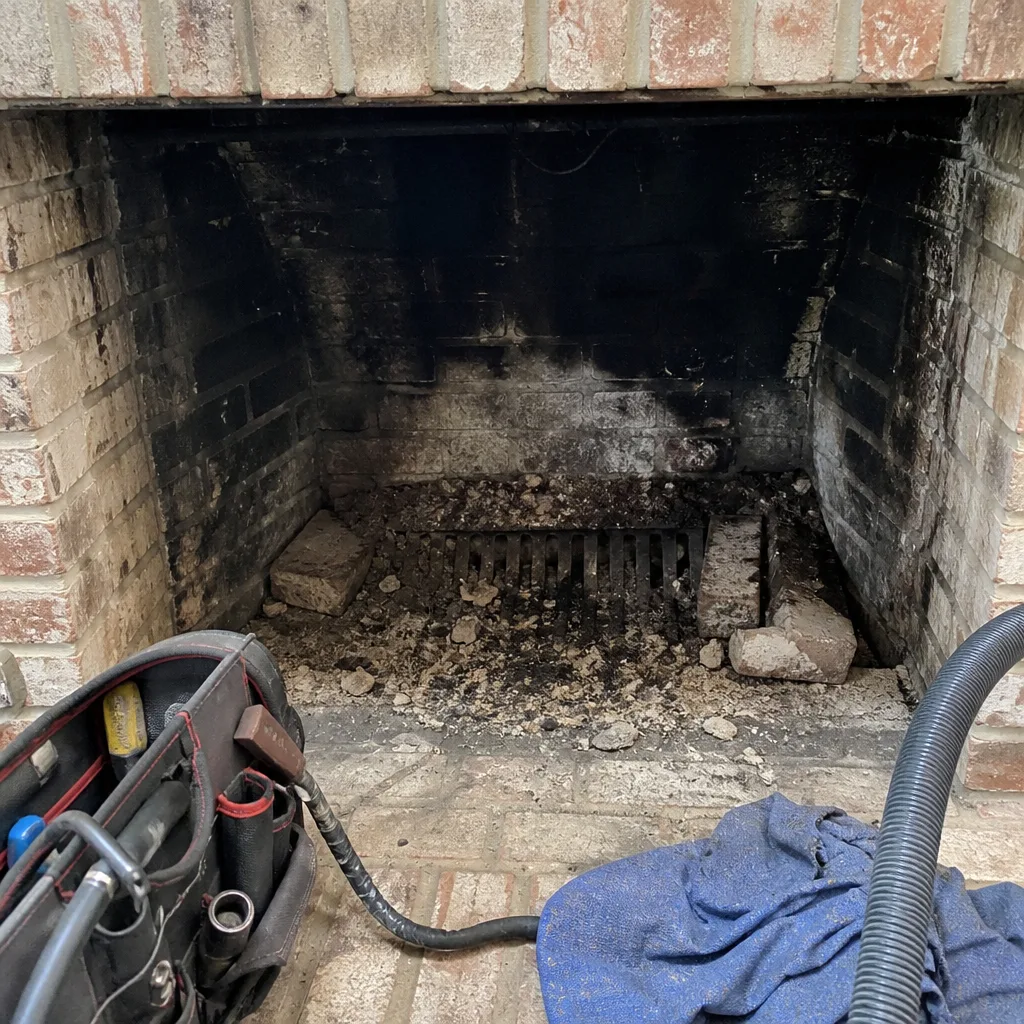 Before
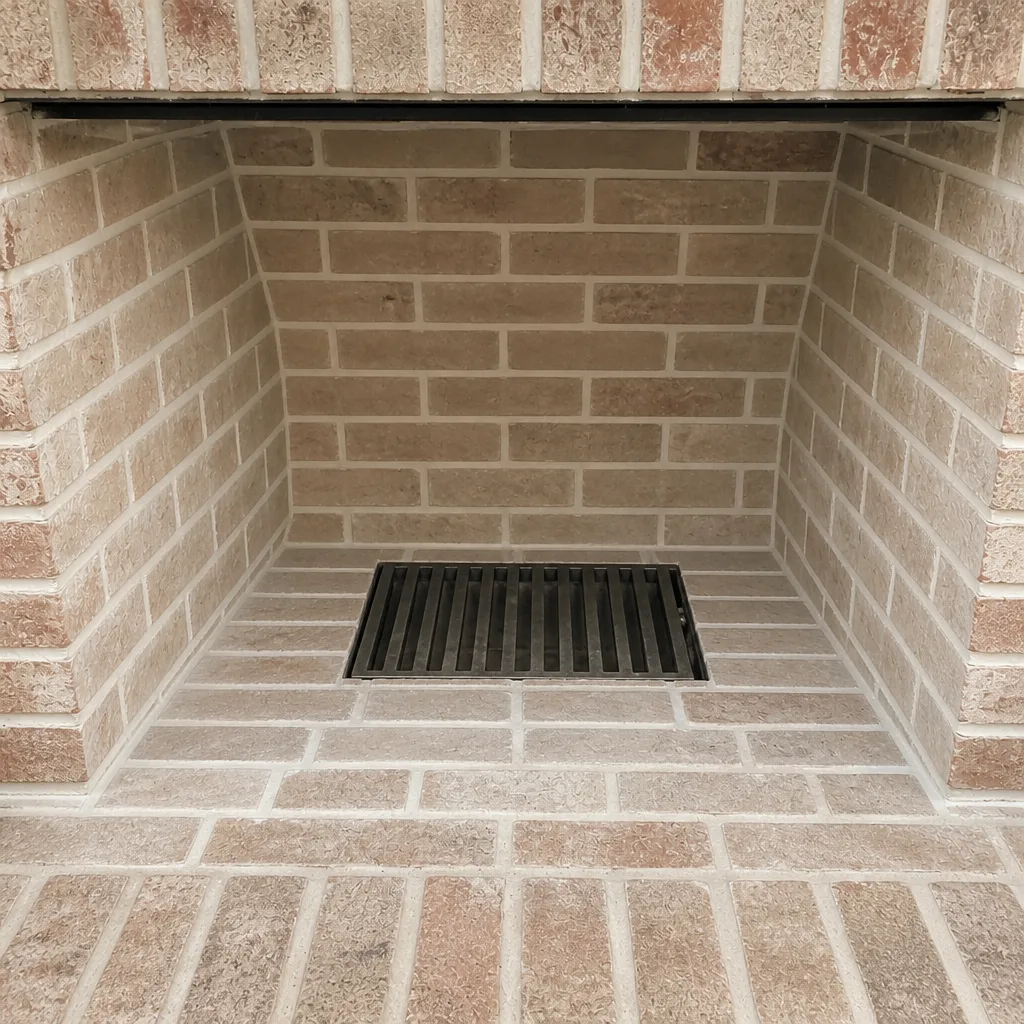 After
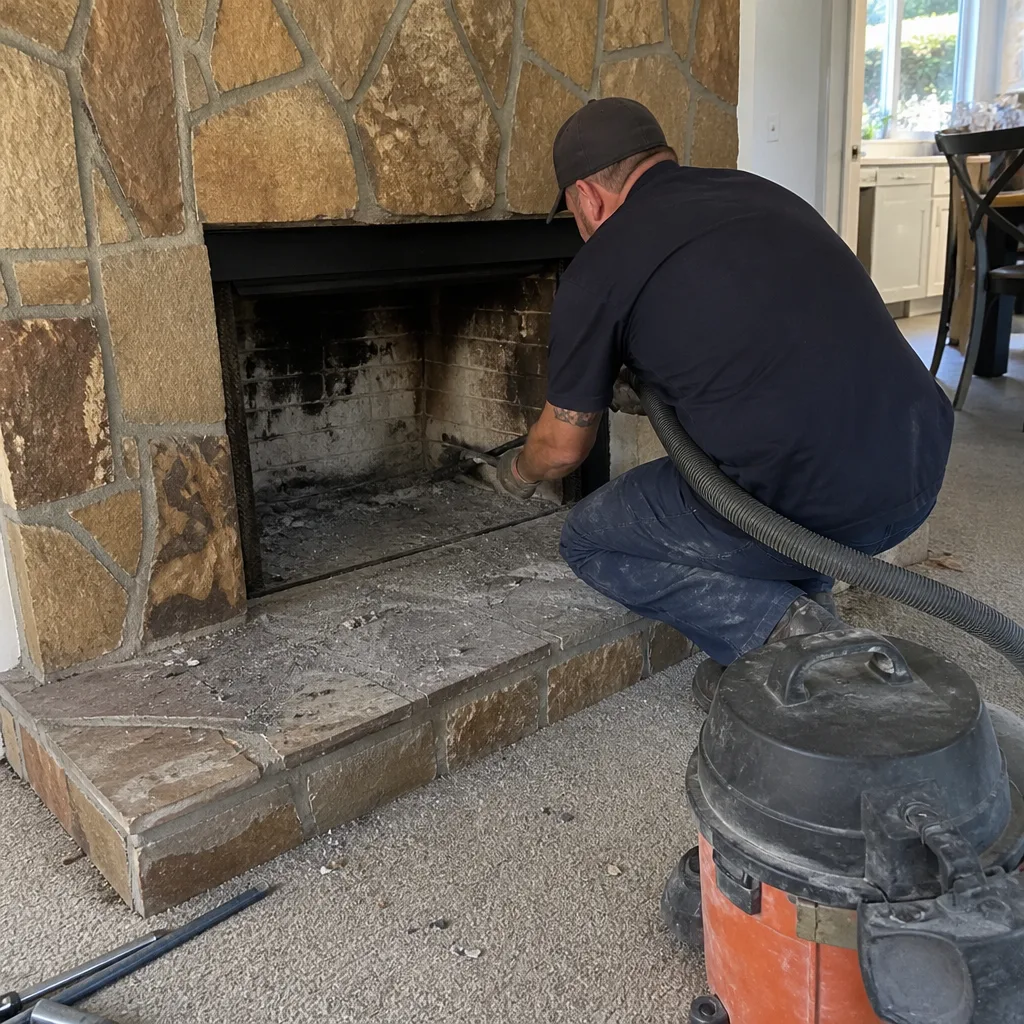 Before
 After
 Before
 After
When to Call a Professional
Call a professional if you smell smoke when no one has a fire, if the fireplace smokes into the room, if you can see cracked tile or loose mortar inside the firebox, or if it’s been more than a year since the chimney was cleaned. Also call after any chimney fire, even one that seemed to go out on its own, and before you buy or sell a home with a fireplace that hasn’t been serviced. These are the cases where a Level 1 or Level 2 inspection should come before you light another fire. Laguna Niguel Chimney Sweep Pros offers free estimates in Laguna Niguel – call (855) 594-8044. We answer 24/7. Fast dispatch from 7am to 7pm, Sunday through Friday.
Frequently Asked Questions
Once a year is the right default, even for a fireplace used fewer than 20 times a season. The annual visit keeps the flue clear and, just as important, catches moisture and cap damage on an exterior chimney. A heavily used fireplace or one burning wet wood may need it sooner.
You can buy a brush and do the basic flue cleaning, but you can’t do the inspection or safely work a roof with any risk. The flue is the easy part; the danger is the roof access and the risk of missing a cracked liner. Most of what matters – the cap, crown, liner condition and firebox – needs a trained eye. Call (855) 594-8044 if you’d rather have the whole job done correctly.
An inspection is usually a modest add-on to a sweep, and the estimate is free. It’s often bundled into the cleaning, which is the sensible way to do it – clean first, then see what’s really there. Call (855) 594-8044 for an exact quote.
Yes. Creosote is the fuel that accumulates inside the flue, and it ignites at temperatures a normal fire can reach. Stage 3 glazed creosote is dense and burns hot. That’s why the annual cleaning matters – it removes the fuel, not just the soot.
That’s usually a downdraft or a pressure problem, and it often traces back to a blocked or damaged cap, a partial flue blockage, or a negative-pressure issue in the house. It’s one of the clearest signs the chimney needs to be looked at. A proper inspection finds the cause without guesswork.
Both. We handle the firebox, flue, liner, cap, crown and chase, which means the sweep and the repair come from the same company – no handoffs. When a flue needs relining, we use HeatShield resurfacing when the condition allows it, which is an alternative to a full liner replacement. Nothing is recommended without photos or camera evidence you can review yourself.
Creosote keeps accumulating, the flue narrows, and drafts get weaker. The bigger risk is undetected water damage – a cracked crown, a rusting cap, or a failing liner – that turns a small repair into a large one. It’s easier to plan for it than to deal with the chimney fire or the interior water damage later.
The Bottom Line
Chimney cleaning in Laguna Niguel isn’t just about soot. A mild climate, low-fire usage, and the way moisture moves through an idle chimney make the annual visit as much about inspection and moisture control as it is about the brush. Sweep once a year, get a real Level 1 inspection with photos, address caps and crowns before the rain, and don’t let a light-use season become a reason to skip it. If your fireplace hasn’t been checked this year, it’s worth a call. Call (855) 594-8044 for a free estimate. We answer 24/7. Fast dispatch from 7am to 7pm, Sunday through Friday.
Written by the team at Laguna Niguel Chimney Sweep Pros.